Premier China Duffel Bag Manufacturers for Custom OEM & ODM Projects
Looking for reliable partners for your luggage business? As one of the leading China duffel bag manufacturers, LoomiBag provides high-quality, customizable travel bags tailored to your brand’s specific needs.
Explore Diverse Styles from Trusted China Duffel Bag Manufacturers
Looking for the perfect travel or sports bag for your inventory? We are verified china duffel bag manufacturers offering an extensive catalog of styles, including rolling duffels, tactical packs, and eco-friendly canvas bags. We support your business growth with low MOQs, custom logo printing options, and strict quality inspections, ensuring every bag meets international retail standards.
custom backpack
custom chest bag
custom crossbody bag
Custom messenger bag
custom Duffel bag
custom waterproof bag
custom travel bag
custom tactical bag
- Tactical Sling & EDC Bags
- Tactical Duffle & Deployment Bags
- Pistol Range & Shooting Gear Bags
- Rifle Cases & Drag Bags
- Tactical Backpacks & Go Bags
- Tactical Messenger & Laptop Bags
- Tactical Diaper Bags for Dads
- Medical & First Responder Bag
- Chest Rigs & Waist Packs
- Tactical Lunch & Cooler Bags
- Police & Law Enforcement Gear
- Tactical Accessories & Pouches
Custom Hiking bag
Custom fishing bag
custom surfboard bag
Custom bike bag
custom tool bag
custom cooler bag
Custom Lunch bag
Custom mackup bag
custom hunting bag
custom gym bag
custom ski bag
custom pet carrier
custom diaper bag
- Ergonomic Diaper Backpacks
- Tactical Diaper Bag Series
- Vegan Leather Baby Bags
- Travel & Overnight Diaper Bags
- Sustainable (GRS) Diaper Bags
- Gender-Neutral Parenting Packs
- Fashion Diaper Totes for Women
- 3-in-1 Convertible Diaper Bags
- Universal Stroller & Pram Organizers
- Messenger & Satchel Changing Bags
- Water-resistant Nylon Baby Bags
- Portable Diaper Changing Clutches
Get Sample
See the quality before you buy

travel duffel bag

waterproof duffel bag

carry on duffel bag

packable duffel bag

canvas duffel bag

gym duffel bag

camping duffel bag

duffel bag backpack

duffel bags for men

military duffel bag

sport duffel bag

duffel bag with wheels

garment duffel bag

duffel bag ladies

vintage duffel bag
The Definitive Fabric Guide from Top China Duffel Bag Manufacturers
As experienced China duffel bag manufacturers, we know that choosing the right material is the foundation of a best-selling product. Unlike smaller carry items, duffel bags endure heavy loads and rough travel, demanding fabrics that balance durability with weight. Whether you are sourcing heavy-duty canvas, waterproof tarpaulin, or lightweight nylon, our expert guide helps you select the perfect materials for your next custom order.

What is 600D Polyester Oxford with PVC Backing?
600D Polyester Oxford is the industry-standard filament fabric featuring a tight plain weave construction, reinforced with a robust PVC (Polyvinyl Chloride) backing. Known as the “workhorse” of the luggage industry, this material provides a coarse, rugged texture and a complete moisture barrier. Positioned for the Entry-to-Mid-Range market, it is the definitive choice for mass production. Its core commercial value lies in delivering the structural stiffness required to manufacture a self-supporting heavy duty duffel bag at a highly competitive price point.
Why source this for your production?
- Structural Integrity & Shape Retention: The heavy PVC backing adds significant rigidity. This allows a travel duffel bag to maintain its cylindrical or rectangular shape even when empty, enhancing shelf appeal and perceived quality.
- Waterproofing & Durability: The continuous PVC layer creates an impermeable barrier against moisture, making this the ideal base material for a waterproof duffel bag designed for outdoor or locker room environments.
- Unbeatable Cost-Performance: 600D PVC offers the highest durability-to-cost ratio in the market. It enables brands to produce high-volume sports duffel bag collections with a rugged hand feel while keeping the Bill of Materials (BOM) cost minimal.
- Production Efficiency: The coating locks the yarn grid, ensuring the fabric is stable during cutting and resists fraying. This reduces waste when assembling complex pockets on a gym duffel bag.
Key Specifications
- Weight (GSM): 380GSM – 450GSM (Standard thickness).
- Width: 58″ / 60″.
- Construction: 600D x 600D Filament Polyester.
- Backing: PVC (Available in Flat, Diamond, or Sponge finish).
- Compliance: Low-Toxic, REACH, RoHS, and EN71-3 compliant options available.
Sourcing Tip:
The “White Mark” Fold Test.
When sourcing 600D PVC, perform a quick fold test. Fold the fabric hard and scratch the fold line. If the PVC backing turns bright white or cracks immediately, the coating contains too much calcium powder filler. This leads to peeling. Always specify “Low-Calcium” or “Elastic PVC” to ensure the backing remains flexible and durable during travel.

What is Nylon Ripstop?
Nylon Ripstop is a premium, high-tenacity polyamide filament fabric distinguished by its crosshatch reinforcement grid. Thicker yarns are interwoven at regular intervals (typically 3mm to 6mm) into the plain weave base to mechanically stop tears from spreading. Positioned for the Mid-to-Premium market, this fabric is the gold standard for technical gear. Its core commercial value lies in its exceptional strength-to-weight ratio, making it the primary material choice for high-margin, collapsible products like a packable duffel bag.
Why source this for your production?
- High Market Demand (Outdoor & Tech): The visible grid pattern offers a sophisticated, “utilitarian” aesthetic. It instantly elevates a product line, making it ideal for a camping duffel bag or adventure gear where consumers equate the ripstop look with professional quality.
- Superior Tear Strength: The reinforcement grid acts as a “firewall” against punctures. This durability is essential for a tactical duffel bag, ensuring the fabric can withstand abrasion and heavy loads without catastrophic failure.
- Versatile Finishing (Weather Protection): Nylon substrates accept functional coatings exceptionally well. When treated with a DWR (Durable Water Repellent) face and PU backing, it transforms into a highly effective water resistant duffel bag that sheds rain while remaining pliable.
- Weight Reduction: Compared to Polyester 600D, Nylon Ripstop is significantly lighter. This is a critical selling point for a lightweight duffel bag with wheels, as it maximizes the user’s packing allowance by minimizing the bag’s own weight.
Key Specifications
- Weight (GSM): 70GSM – 220GSM (Commonly 70D, 210D, or 420D).
- Width: 58″ / 60″.
- Construction: High-Tenacity Nylon 6 or Nylon 66 with Ripstop Grid.
- Coating: PU (Polyurethane) 2-3 passes; Silicone (for ultra-light series).
- Compliance: OEKO-TEX Standard 100, REACH, and Bluesign options available.
Sourcing Tip:
Specify the Grid Size.
The visual impact of Ripstop depends heavily on the grid dimensions. A micro-ripstop (2mm-3mm) creates a sleek, modern look suitable for urban fashion. A macro-ripstop (5mm-7mm) offers a rugged, military aesthetic. Be specific about the grid size in your tech pack to ensure the final look matches your brand direction.
What is Nylon Ripstop?
Nylon Ripstop is a premium, high-tenacity polyamide filament fabric distinguished by its crosshatch reinforcement grid. Thicker yarns are interwoven at regular intervals (typically 3mm to 6mm) into the plain weave base to mechanically stop tears from spreading. Positioned for the Mid-to-Premium market, this fabric is the gold standard for technical gear. Its core commercial value lies in its exceptional strength-to-weight ratio, making it the primary material choice for high-margin, collapsible products like a packable duffel bag.
Why source this for your production?
- High Market Demand (Outdoor & Tech): The visible grid pattern offers a sophisticated, “utilitarian” aesthetic. It instantly elevates a product line, making it ideal for a camping duffel bag or adventure gear where consumers equate the ripstop look with professional quality.
- Superior Tear Strength: The reinforcement grid acts as a “firewall” against punctures. This durability is essential for a tactical duffel bag, ensuring the fabric can withstand abrasion and heavy loads without catastrophic failure.
- Versatile Finishing (Weather Protection): Nylon substrates accept functional coatings exceptionally well. When treated with a DWR (Durable Water Repellent) face and PU backing, it transforms into a highly effective water resistant duffel bag that sheds rain while remaining pliable.
- Weight Reduction: Compared to Polyester 600D, Nylon Ripstop is significantly lighter. This is a critical selling point for a lightweight duffel bag with wheels, as it maximizes the user’s packing allowance by minimizing the bag’s own weight.
Key Specifications
- Weight (GSM): 70GSM – 220GSM (Commonly 70D, 210D, or 420D).
- Width: 58″ / 60″.
- Construction: High-Tenacity Nylon 6 or Nylon 66 with Ripstop Grid.
- Coating: PU (Polyurethane) 2-3 passes; Silicone (for ultra-light series).
- Compliance: OEKO-TEX Standard 100, REACH, and Bluesign options available.
Sourcing Tip:
Specify the Grid Size.
The visual impact of Ripstop depends heavily on the grid dimensions. A micro-ripstop (2mm-3mm) creates a sleek, modern look suitable for urban fashion. A macro-ripstop (5mm-7mm) offers a rugged, military aesthetic. Be specific about the grid size in your tech pack to ensure the final look matches your brand direction.

What is 500D PVC Tarpaulin?
500D PVC Tarpaulin (also known as PVC Mesh or Laminated PVC) is a heavy-duty composite fabric engineered for extreme environments. It consists of a high-tenacity 500D Polyester Filament scrim sandwiched between two layers of liquid PVC via knife-coating or hot-melt lamination. Positioned for the Mid-to-High Performance market, this is the industry-standard material for manufacturing a fully submersible dry bag duffel. Its core commercial value is its compatibility with High-Frequency (HF) Welding, allowing for the creation of seamless, airtight products that command a premium price.
Why source this for your production?
- HF Welding Compatibility (Seamless Tech): Unlike woven fabrics that require stitching, PVC Tarpaulin allows for RF/HF welding. This enables you to produce a 100% airtight weatherproof duffel bag with zero needle holes, eliminating the cost of seam sealing tape and reducing leakage risks.
- Rugged “Wipe-Clean” Surface: The non-porous surface repels mud, oil, and road grime, making it the ideal substrate for a motorcycle duffel bag or industrial gear. It offers a robust, rubberized hand-feel that consumers immediately associate with high durability.
- Cost-Effective Waterproofing: Compared to TPU (Thermoplastic Polyurethane) laminates, PVC Tarpaulin delivers similar waterproof performance and abrasion resistance at a 30-40% lower material cost. It is the most profitable choice for producing a volume-driven durable duffel bag.
Key Specifications
- Weight (GSM): 500GSM – 620GSM (Standard for bags).
- Thickness: 0.50mm – 0.55mm.
- Width: 58″ / 60″ (Wider widths available for efficiency).
- Construction: 500D x 500D High-Tenacity Polyester Mesh (18×12 or 9×9).
- Finish: Matte, Glossy, or Embossed (e.g., Carbon Fiber texture).
- Compliance: REACH, RoHS, and 6P Free (Phthalate-free) options.
Sourcing Tip:
Mandate a “Cold Crack” Rating.
Standard PVC becomes brittle and fractures in freezing temperatures. If you are manufacturing a large waterproof duffel bag for winter travel or outdoor sports, you must specify a “Cold Crack” resistance of -20°C or -30°C in your PO. Using generic PVC without cold-resistant additives will lead to high return rates due to material cracking.

What is 16oz Washed Cotton Canvas?
16oz Washed Cotton Canvas is a heavyweight, plain-weave “Duck” fabric constructed from coarse, ring-spun cotton yarns (typically 10s/2 x 10s/2 plied structure). Unlike raw “greige” goods, this fabric undergoes a post-weave industrial washing process (Enzyme or Stone Wash) to break down fibers and strip excess dye. Positioned for the Mid-to-Premium Heritage market, it offers the structural integrity of a military surplus duffel bag with a soft, “broken-in” hand feel. Its core selling point is the immediate “Vintage Aesthetic” that allows brands to charge a premium for the “lived-in” look without requiring the end-consumer to break the bag in.
Why source this for your production?
- Premium Lifestyle Demand: The lifestyle travel market relies heavily on texture. The washed finish creates natural high-low color variations, ideal for a vintage duffel bag. This aesthetic is highly sought after by consumers looking for retro gear, commanding higher retail margins than standard synthetic alternatives.
- Superior Workability: While raw 16oz canvas is stiff, the washing process softens the fabric significantly. This makes it easier to fold, pleat, and sew around complex corners of a canvas duffel bag, reducing operator fatigue and needle breakage rates in the factory.
- Versatile End-Use: This material bridges the gap between rugged utility and fashion. It is the standard-bearer for a stylish weekender duffel bag or a sophisticated mens duffel bag, offering a matte, non-synthetic finish that appeals to eco-conscious buyers.
Key Specifications
- Weight: 16oz / ~540 GSM (Pre-wash); density increases after shrinkage.
- Width: 57″ / 58″ (Cuttable width).
- Construction: Plain Weave (Double-filled / Plied Yarns).
- Hand Feel: Soft, pliable, dry touch (Non-coated).
- Shrinkage: < 3% (Industrial wash pre-shrinks the fabric).
- Compliance: OEKO-TEX Standard 100, BCI Cotton available.
Sourcing Tip:
Manage Color Consistency Expectations.
The industrial washing process introduces variables that make precise color matching difficult. Unlike piece-dyed synthetics, washed canvas will have Lot-to-Lot shade variations (typically ΔE 1.0-1.5).
Advice: When sourcing for a large program, always order enough fabric for the full season in one single dye lot to avoid mismatched shades. Also, request a “Crocking Test” (Color transfer) report, especially for dark colors like Navy or Black.
What is 16oz Washed Cotton Canvas?
16oz Washed Cotton Canvas is a heavyweight, plain-weave “Duck” fabric constructed from coarse, ring-spun cotton yarns (typically 10s/2 x 10s/2 plied structure). Unlike raw “greige” goods, this fabric undergoes a post-weave industrial washing process (Enzyme or Stone Wash) to break down fibers and strip excess dye. Positioned for the Mid-to-Premium Heritage market, it offers the structural integrity of a military surplus duffel bag with a soft, “broken-in” hand feel. Its core selling point is the immediate “Vintage Aesthetic” that allows brands to charge a premium for the “lived-in” look without requiring the end-consumer to break the bag in.
Why source this for your production?
- Premium Lifestyle Demand: The lifestyle travel market relies heavily on texture. The washed finish creates natural high-low color variations, ideal for a vintage duffel bag. This aesthetic is highly sought after by consumers looking for retro gear, commanding higher retail margins than standard synthetic alternatives.
- Superior Workability: While raw 16oz canvas is stiff, the washing process softens the fabric significantly. This makes it easier to fold, pleat, and sew around complex corners of a canvas duffel bag, reducing operator fatigue and needle breakage rates in the factory.
- Versatile End-Use: This material bridges the gap between rugged utility and fashion. It is the standard-bearer for a stylish weekender duffel bag or a sophisticated mens duffel bag, offering a matte, non-synthetic finish that appeals to eco-conscious buyers.
Key Specifications
- Weight: 16oz / ~540 GSM (Pre-wash); density increases after shrinkage.
- Width: 57″ / 58″ (Cuttable width).
- Construction: Plain Weave (Double-filled / Plied Yarns).
- Hand Feel: Soft, pliable, dry touch (Non-coated).
- Shrinkage: < 3% (Industrial wash pre-shrinks the fabric).
- Compliance: OEKO-TEX Standard 100, BCI Cotton available.
Sourcing Tip:
Manage Color Consistency Expectations.
The industrial washing process introduces variables that make precise color matching difficult. Unlike piece-dyed synthetics, washed canvas will have Lot-to-Lot shade variations (typically ΔE 1.0-1.5).
Advice: When sourcing for a large program, always order enough fabric for the full season in one single dye lot to avoid mismatched shades. Also, request a “Crocking Test” (Color transfer) report, especially for dark colors like Navy or Black.

What is 1680D Ballistic Nylon?
1680D Ballistic Nylon is a high-tenacity, continuous filament polyamide fabric defined by its signature 2×2 basket weave structure. Originally engineered for military anti-fragmentation gear, it is now the industry gold standard for the Premium & Business Luggage sector. Unlike standard Oxford weaves, this material offers maximum tear strength and a lustrous, professional sheen. Its core selling point is the ability to deliver extreme durability and high perceived value, allowing brands to justify top-tier retail pricing for a ballistic nylon duffel bag.
Why source this for your production?
- High Perceived Value (Market Demand): The glossy, textured surface is universally recognized by consumers as “premium,” often associated with high-end business travel brands. Using this fabric instantly elevates a product into the luxury duffel bag category, significantly increasing your potential retail markup compared to matte polyester alternatives.
- Structural Integrity (Workability): Due to the dense weave and standard PU backing, this fabric possesses excellent stiffness. It allows a rolling duffel bag to maintain its rigid shape even when empty. This “shelf appeal” is crucial for retail display, preventing the bag from collapsing or looking messy.
- Superior Abrasion Resistance: For a check in duffel bag that faces conveyor belts and tarmac abuse, 1680D Nylon outperforms almost all other textiles. It resists pilling and scuffing, ensuring the nylon duffel bag looks new for years, which drives long-term brand loyalty.
Key Specifications
- Weight: 380 – 450 GSM (Dependent on coating thickness).
- Width: 58″ / 60″.
- Construction: 1680D x 1680D (2×2 Basket Weave).
- Material: 100% High-Tenacity Nylon (Polyamide).
- Coating: PU (Polyurethane) for water resistance; PVC for extra stiffness.
- Compliance: REACH, RoHS, Prop 65 Compliant options available.
Sourcing Tip:
Beware of “Polyester Ballistic” Substitutes.
To cut costs, many factories substitute 1680D Nylon with 1680D Polyester. While the weave looks identical, Polyester has a duller finish, is 30-40% cheaper, and has significantly lower abrasion resistance.
Advice: If you are positioning your product as “Premium,” you must specify 100% Nylon. Always request a lab test or perform a burn test on the swatch to ensure you aren’t paying Nylon prices for Polyester goods.

What is Waxed Canvas?
Waxed Canvas is a high-density, plain-weave cotton fabric (Cotton Duck) impregnated with a paraffin or beeswax-based finish. Unlike surface-coated synthetics, the wax is embedded into the yarn fibers. This creates a material that is naturally water-repellent and breathable.
- Market Positioning: Premium / Heritage. It is the essential material for producing a high-end vintage duffel bag or rugged lifestyle accessories.
- Core Selling Point: It develops a unique “Patina” (aging effect), allowing brands to market the product as an heirloom piece that gets better with time.
Why source this for your production?
- High Perceived Value (Market Demand): The heritage trend is dominant in the mens duffel bag sector. Waxed canvas communicates craftsmanship and longevity, allowing for a 30-50% higher retail markup compared to standard polyester.
- Structural Stiffness (Workability): The wax finish adds significant body to the fabric. This allows a weekender duffel bag to hold its shape on the retail shelf without needing heavy PVC backing or complex internal piping, simplifying your sewing process.
- “Self-Healing” Durability: Scratches and crease marks (craze marks) are considered a desired aesthetic feature, not a defect. Minor scuffs can be buffed out with heat, reinforcing the image of a truly durable duffel bag and reducing returns based on surface markings.
Key Specifications
- Weight: 16oz – 20oz (Approx. 450 – 560 GSM). 16oz is the standard for a canvas duffel bag.
- Width: 57″ / 58″ (Standard canvas width).
- Material: 100% Cotton (Spun Yarn) or T/C Blend (for cost control).
- Finish: Dry Wax (Non-transferable) or Wet Wax (Oil finish).
- Compliance: REACH Compliant, Paraffin-free / Vegetable Wax options available.
Sourcing Tip:
Always Specify “Dry Wax” for Luggage.
For consumer goods, avoid traditional “Wet Wax” (often used for tarps), as it remains oily and can stain clothing. Specify a “Dry Wax” finish. It retains the water resistance and the classic patina look but is dry to the touch, ensuring the end-user’s clothes remain clean while carrying the bag.
What is Waxed Canvas?
Waxed Canvas is a high-density, plain-weave cotton fabric (Cotton Duck) impregnated with a paraffin or beeswax-based finish. Unlike surface-coated synthetics, the wax is embedded into the yarn fibers. This creates a material that is naturally water-repellent and breathable.
- Market Positioning: Premium / Heritage. It is the essential material for producing a high-end vintage duffel bag or rugged lifestyle accessories.
- Core Selling Point: It develops a unique “Patina” (aging effect), allowing brands to market the product as an heirloom piece that gets better with time.
Why source this for your production?
- High Perceived Value (Market Demand): The heritage trend is dominant in the mens duffel bag sector. Waxed canvas communicates craftsmanship and longevity, allowing for a 30-50% higher retail markup compared to standard polyester.
- Structural Stiffness (Workability): The wax finish adds significant body to the fabric. This allows a weekender duffel bag to hold its shape on the retail shelf without needing heavy PVC backing or complex internal piping, simplifying your sewing process.
- “Self-Healing” Durability: Scratches and crease marks (craze marks) are considered a desired aesthetic feature, not a defect. Minor scuffs can be buffed out with heat, reinforcing the image of a truly durable duffel bag and reducing returns based on surface markings.
Key Specifications
- Weight: 16oz – 20oz (Approx. 450 – 560 GSM). 16oz is the standard for a canvas duffel bag.
- Width: 57″ / 58″ (Standard canvas width).
- Material: 100% Cotton (Spun Yarn) or T/C Blend (for cost control).
- Finish: Dry Wax (Non-transferable) or Wet Wax (Oil finish).
- Compliance: REACH Compliant, Paraffin-free / Vegetable Wax options available.
Sourcing Tip:
Always Specify “Dry Wax” for Luggage.
For consumer goods, avoid traditional “Wet Wax” (often used for tarps), as it remains oily and can stain clothing. Specify a “Dry Wax” finish. It retains the water resistance and the classic patina look but is dry to the touch, ensuring the end-user’s clothes remain clean while carrying the bag.

What is rPET Recycled Polyester?
rPET (Recycled Polyethylene Terephthalate) is a sustainable textile made from post-consumer plastic bottles, mechanically processed into chips, spun into filament yarn, and woven into durable Oxford or Plain weave structures (commonly 300D or 600D).
- Market Positioning: Eco-Friendly / Promotional. It is the industry standard for brands aiming to meet sustainability goals without sacrificing durability.
- Core Selling Point: It offers the identical physical performance of virgin polyester but with a powerful “Green Story,” making it the ideal material for custom duffel bags and corporate CSR programs.
Why source this for your production?
- Marketing Leverage (Market Demand): Sustainability is no longer niche; it is a requirement. Using GRS-certified rPET allows you to market personalized duffel bags with a traceable eco-label, appealing to environmentally conscious corporate buyers and consumers.
- Printability & Versatility (Workability): rPET yarns have excellent heat stability, making them perfect for heat transfer and sublimation printing. This is crucial for producing branded or logo-heavy small duffel bag collections.
- Flexibility & Weight: Compared to rigid PVC-backed nylons, PU-coated rPET is lightweight and pliable. This makes it the technically superior choice for manufacturing a foldable duffel bag that packs down easily.
Key Specifications
- Weight: 300D (approx. 160 GSM) to 600D (approx. 210-230 GSM).
- Width: 58″ / 60″.
- Backing: PU (Polyurethane) coating is standard for eco-compliance (avoid PVC).
- Application: Ideal for a carry on duffel bag or daily gym tote.
- Compliance: GRS (Global Recycled Standard) Certified is mandatory.
Sourcing Tip:
No TC, No Deal.
In the rPET market, a GRS certificate for the factory is not enough. You must demand a Transaction Certificate (TC) for every specific batch of fabric you buy.
Without a TC, you cannot legally label your bags as “Recycled,” and you risk greenwashing accusations. Real rPET costs 10-15% more than virgin polyester; if the price is the same, it is likely fake.
RF Welding vs. Stitching for a duffel bag waterproof Design: Which is Better?
For high quality duffel bags requiring IPX6 or IPX7 ratings, RF Welding is superior to stitching. Stitching creates needle holes and relies on temporary tape. RF Welding fuses TPU-coated textiles at the molecular level, creating the permanent, airtight seal required for a true dry bag duffel bag, eliminating leak risks completely.

Technical Deep Dive
The Failure: Hydrolysis
Standard sewn bags rely on PU seam tape. In humid conditions, hydrolysis breaks down the tape’s adhesive bond within 12-24 months, causing delamination and leaks.
The Solution: Molecular Fusion
To ensure a zero-leak seal, we eliminate needles:
- Material: We use 840D Double-Sided TPU Nylon.
- Process: A High-Frequency (HF) Machine (27.12 MHz) excites the TPU molecules, melting them from the inside out.
- Result: A fused, monolithic seam that is impervious to air and water.
Verification Protocol
We validate the airtight integrity of every batch, including duffel bags big and small:
- Air Inflation: Inflated to 3.0 PSI and submerged to check for bubbles.
- Peel Strength: Dynamometer pull-tests on welded strips.
- Compliance: Testing adheres to ASTM D751 (Hydrostatic Resistance).
Don’t rely on specs. Contact us to request a “Submersion Sample.” We will send a prototype so you can test our RF welding quality in your own facility.
Feature Breakdown: Built for the Journey
Explore the functional DNA of our latest gear. We have engineered every inch of this duffel bag to solve real-world travel challenges. The comprehensive checklist below details how we combine massive storage space with intuitive organization. Discover the specific elements—from specialized compartments to ergonomic carrying systems—that make this bag your ultimate travel companion
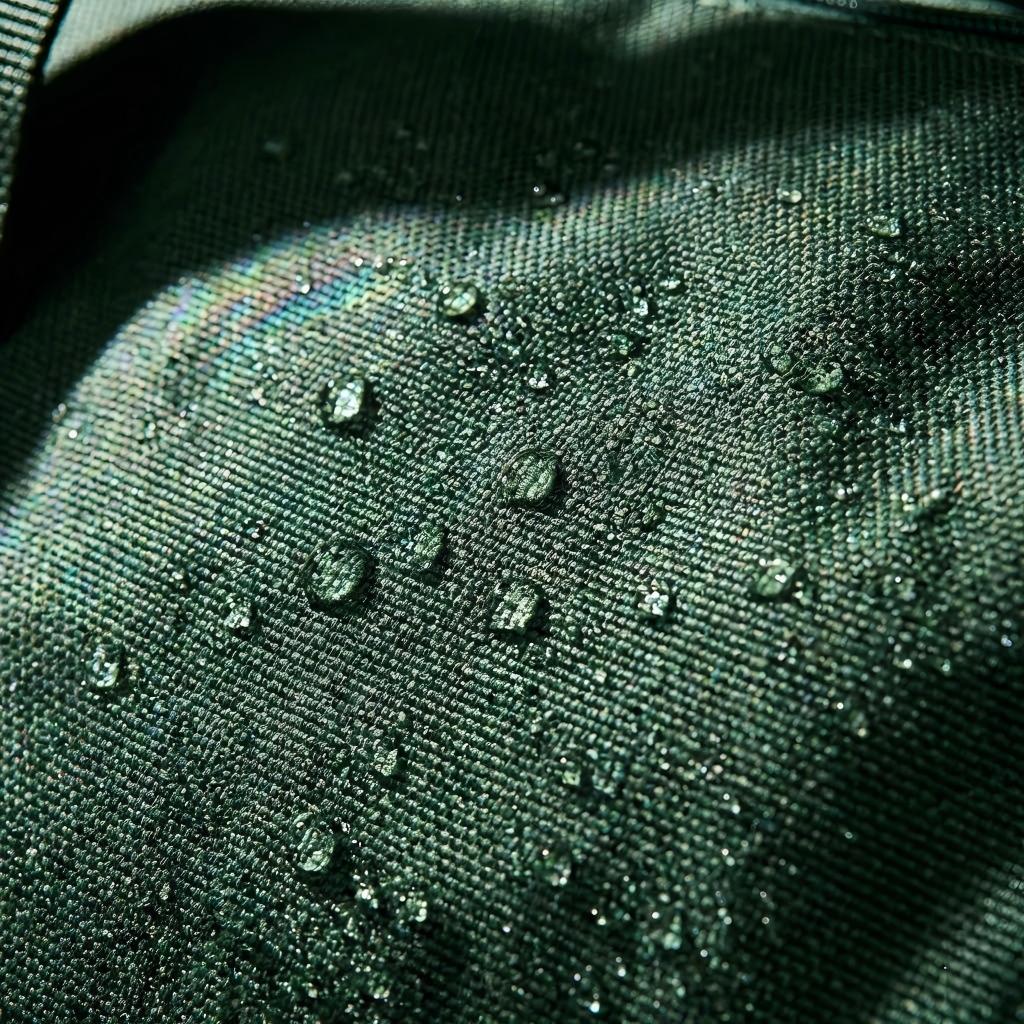
Water-Repellent 600D Polyester
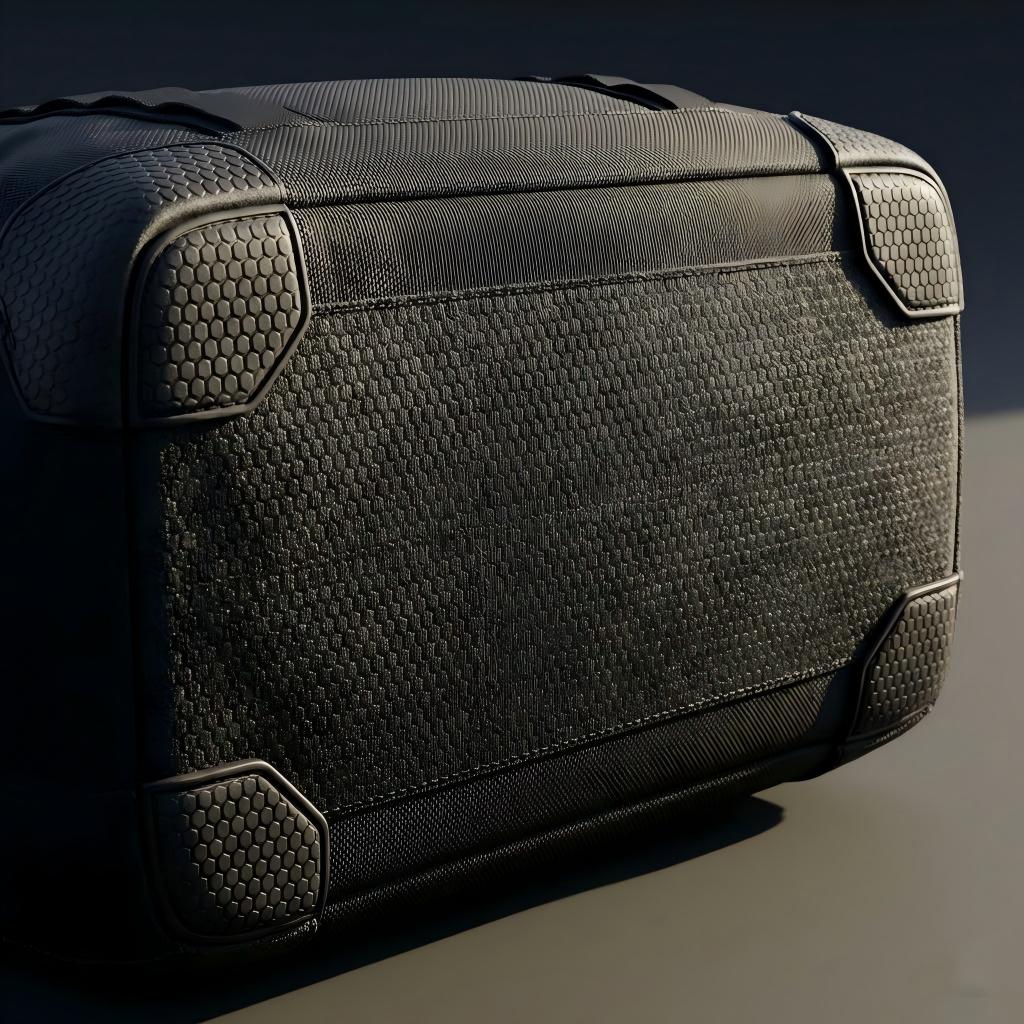
Abrasion-Resistant Bottom Panel
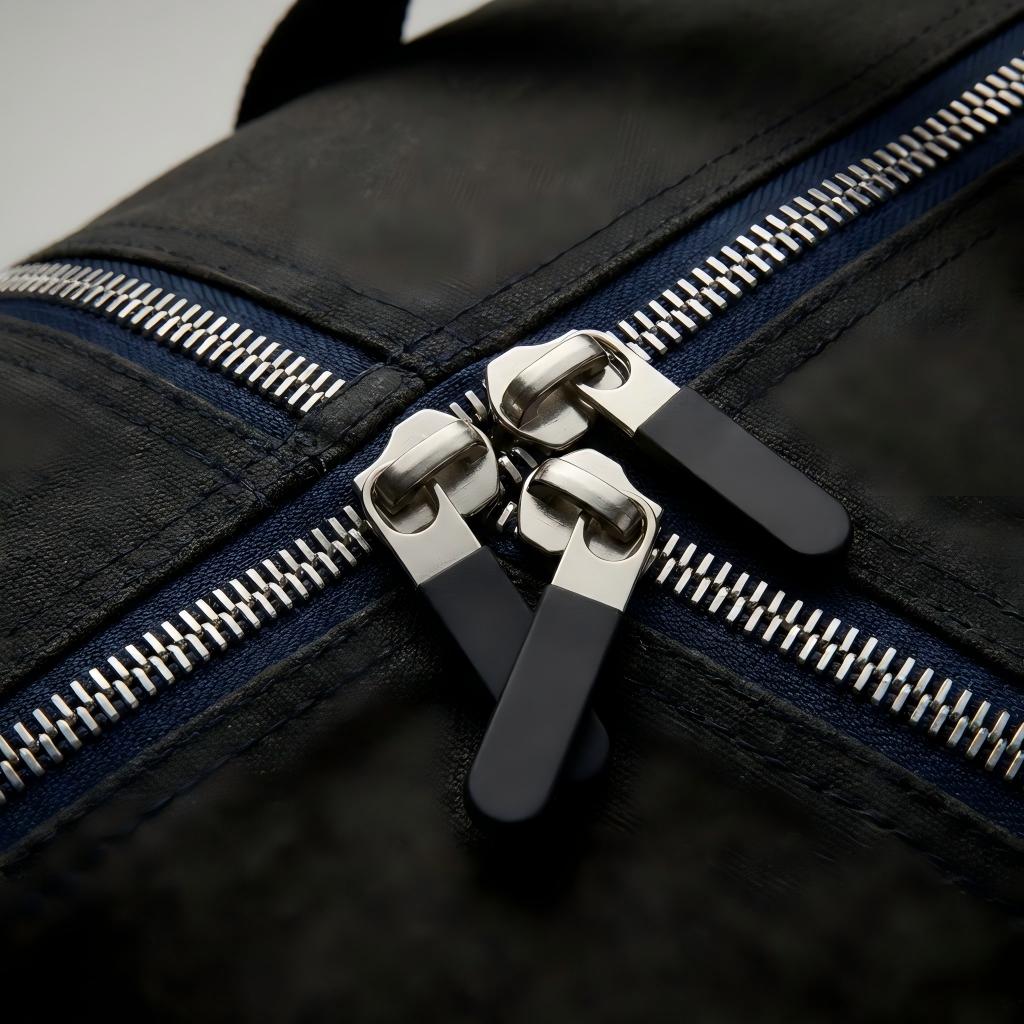
Smooth Dual-Way Zippers

Heavy-Duty Metal Hardware
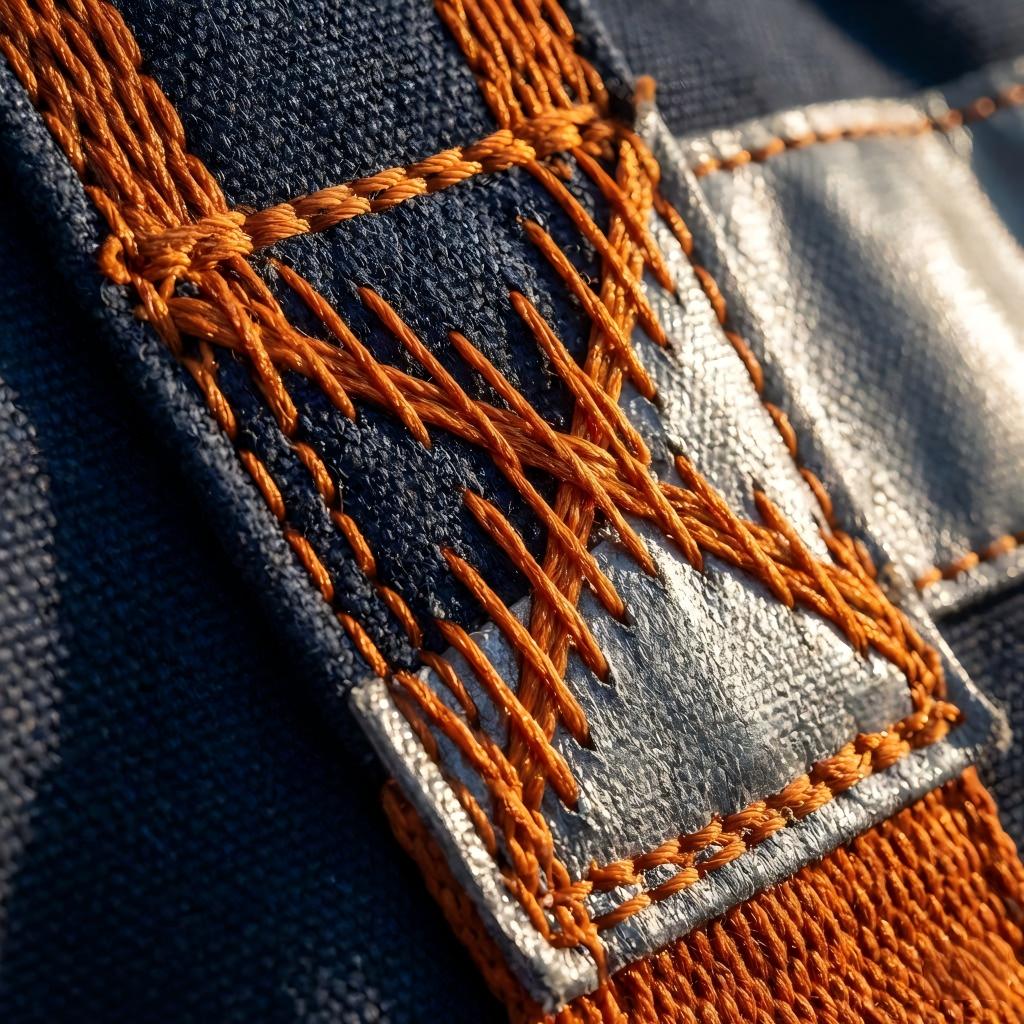
Reinforced Bar-Tack Stitching
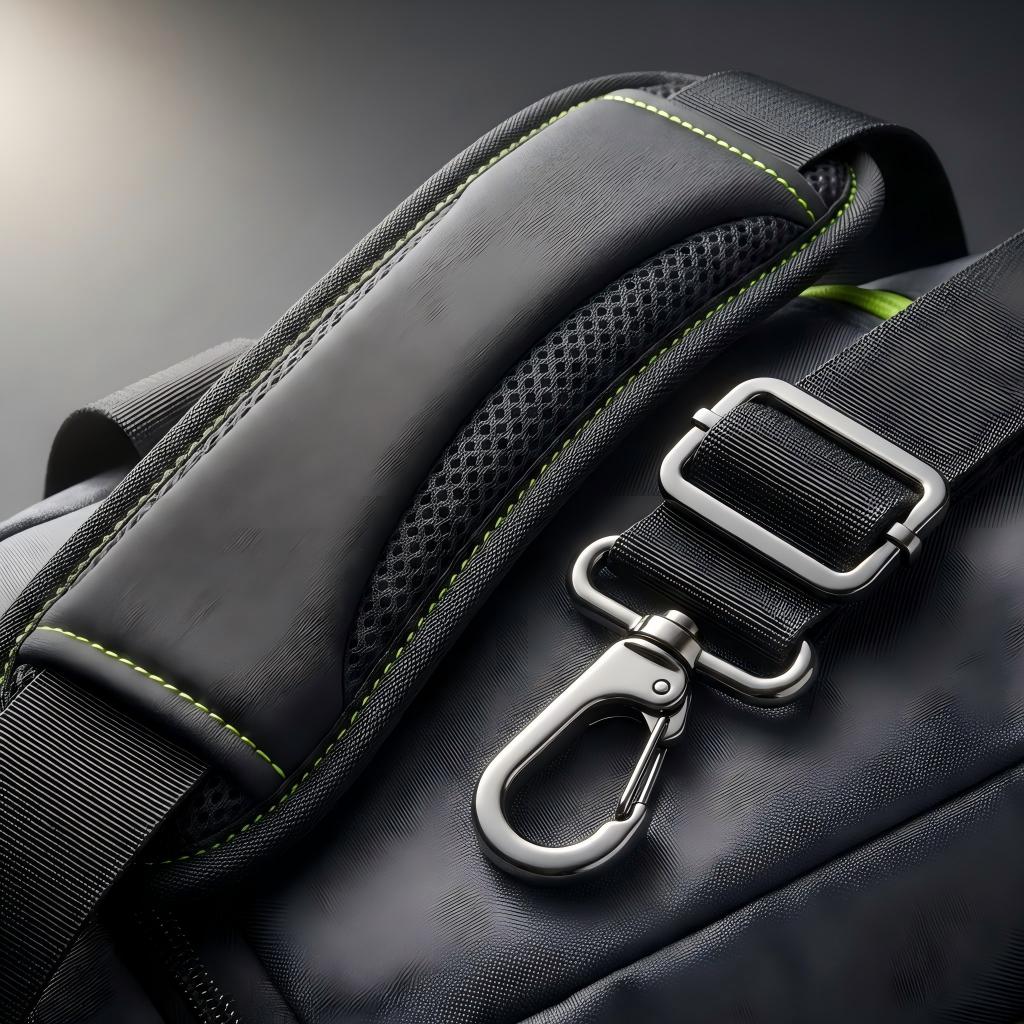
Detachable Padded Shoulder Strap

Velcro-Wrapped Grip Handles
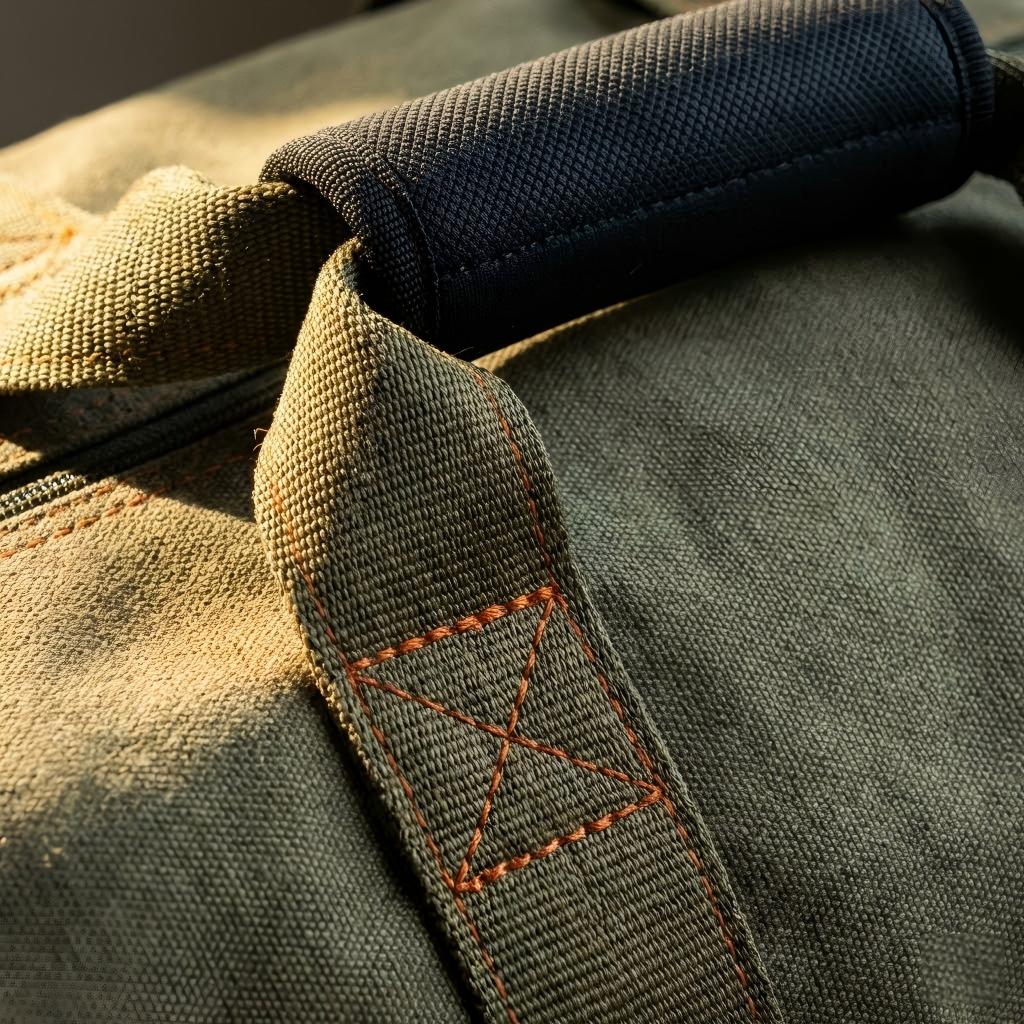
Dual Side Haul Handles
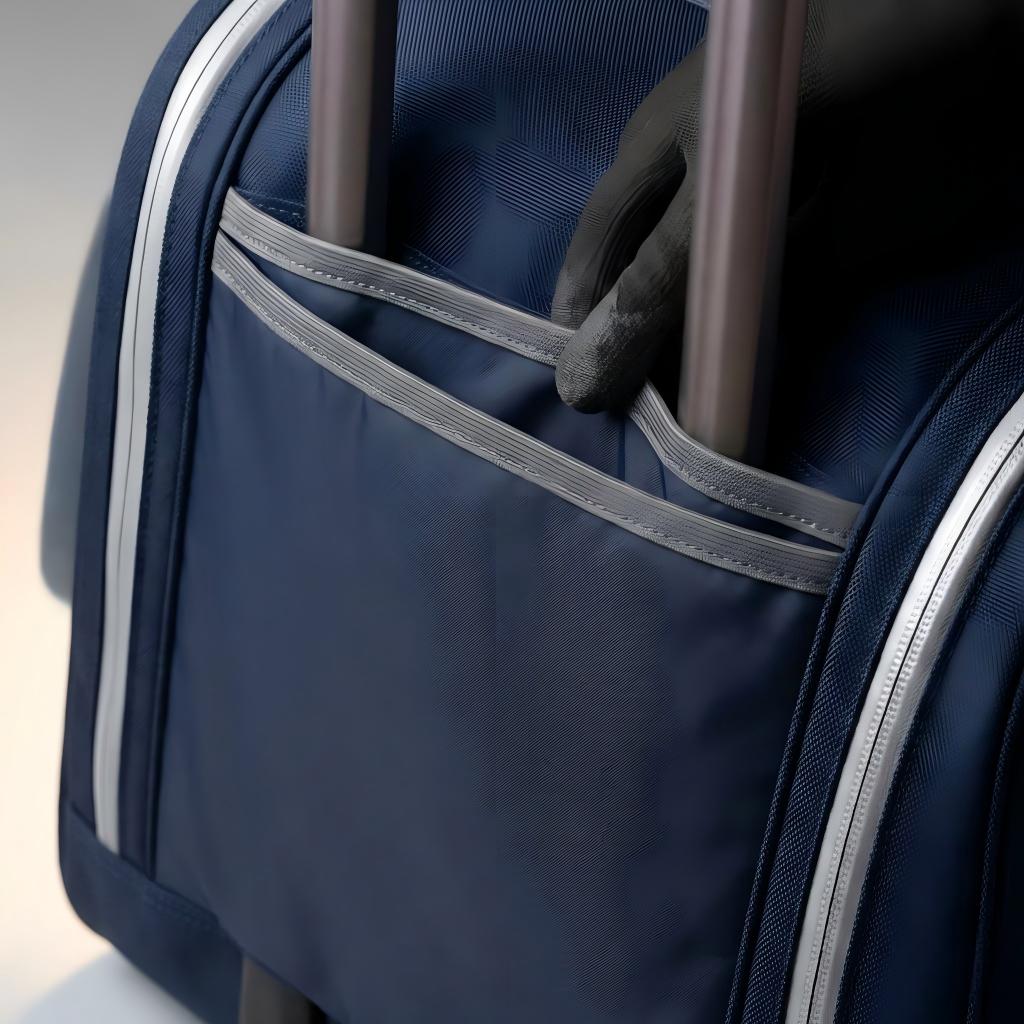
Rear Luggage Trolley Sleeve
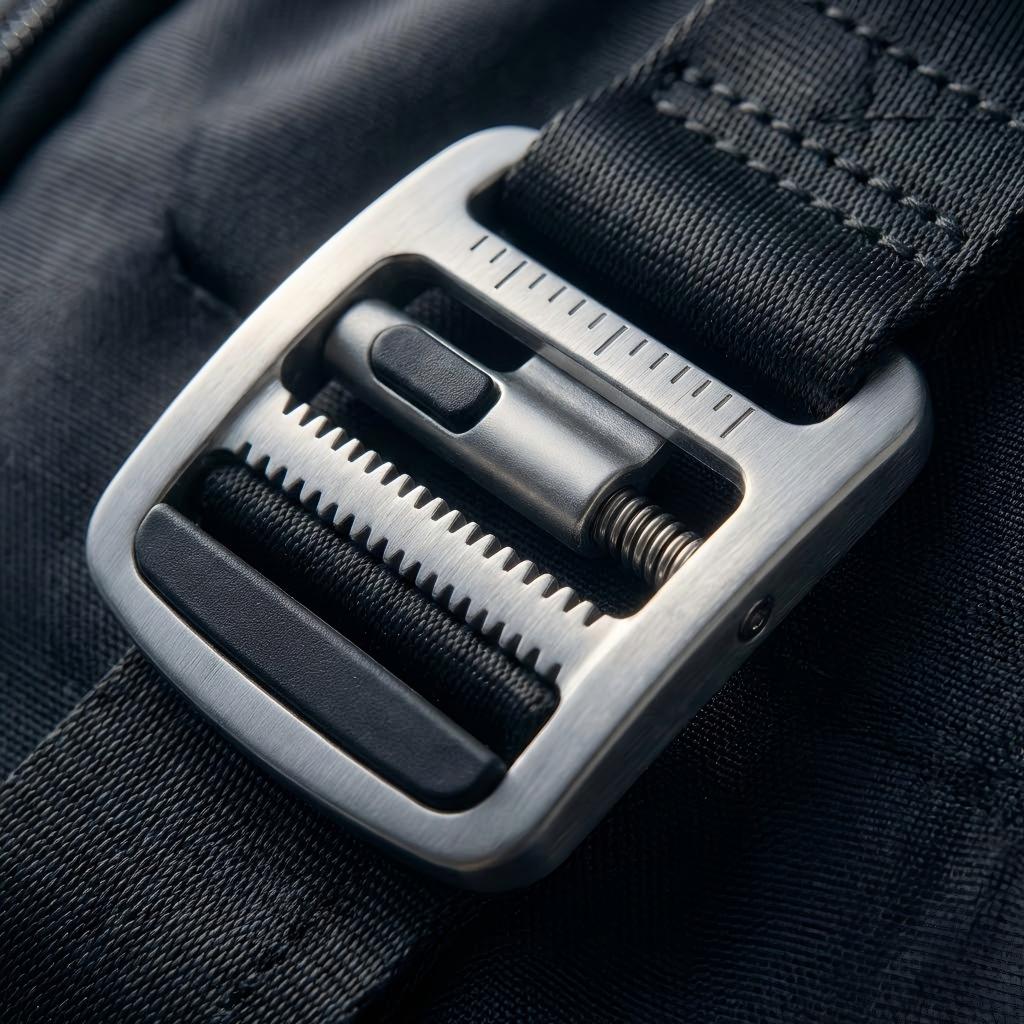
Adjustable Strap Length
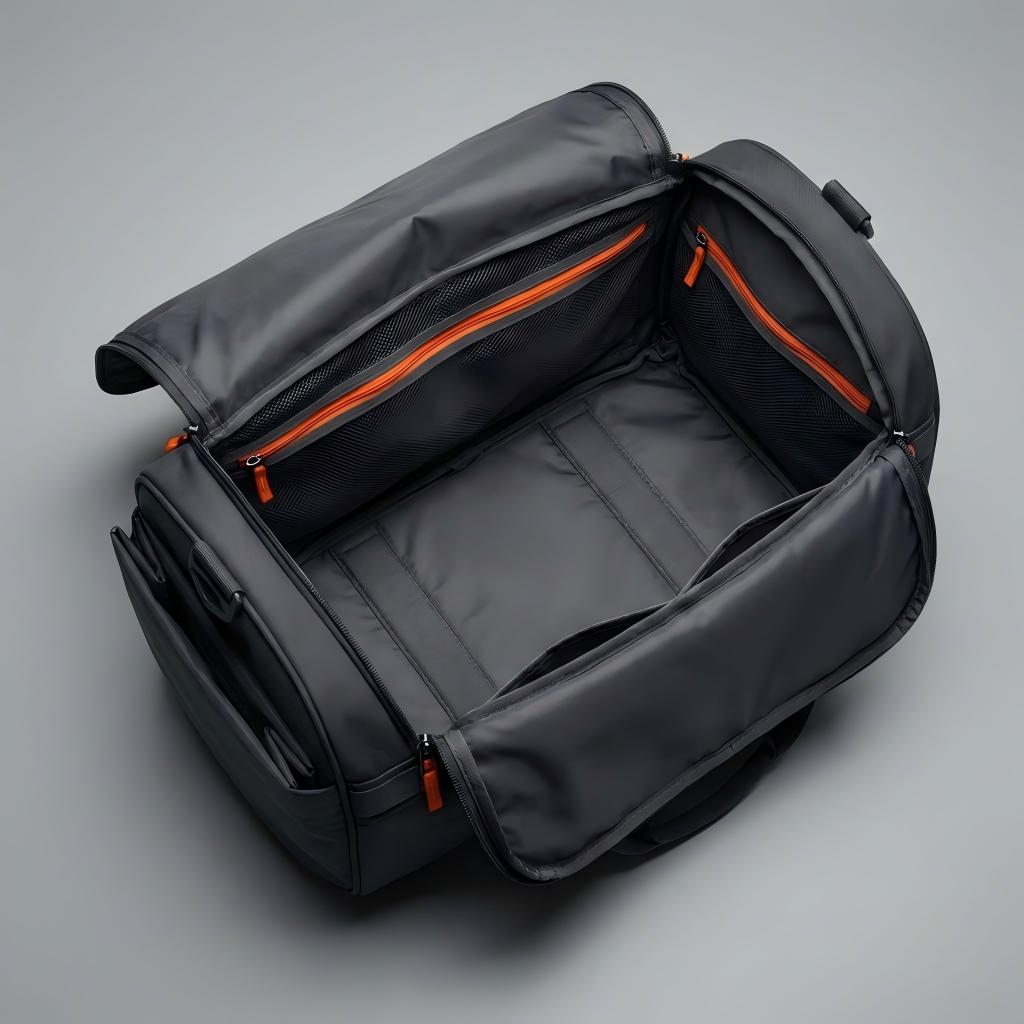
Spacious 40L Main Compartment

Wide U-Shaped Opening

Ventilated Shoe Compartment
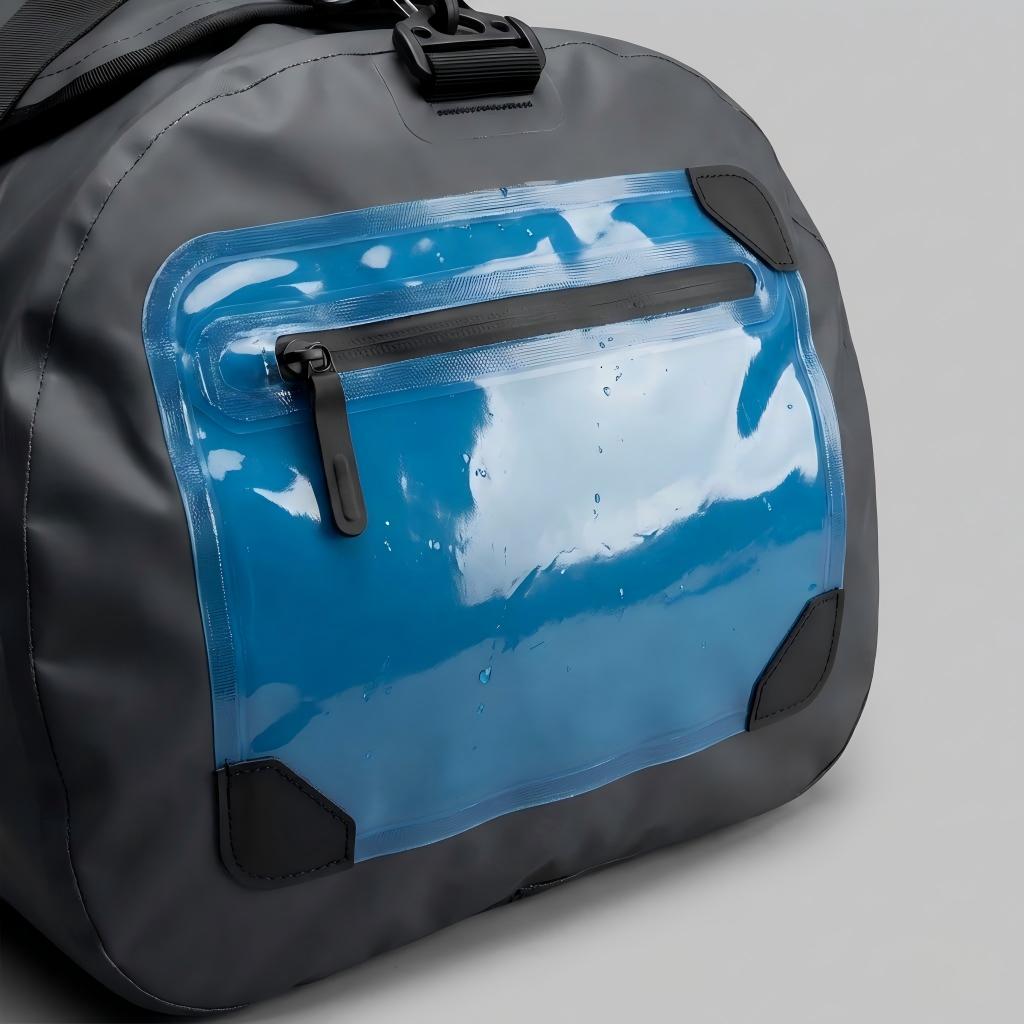
Waterproof Wet Pocket
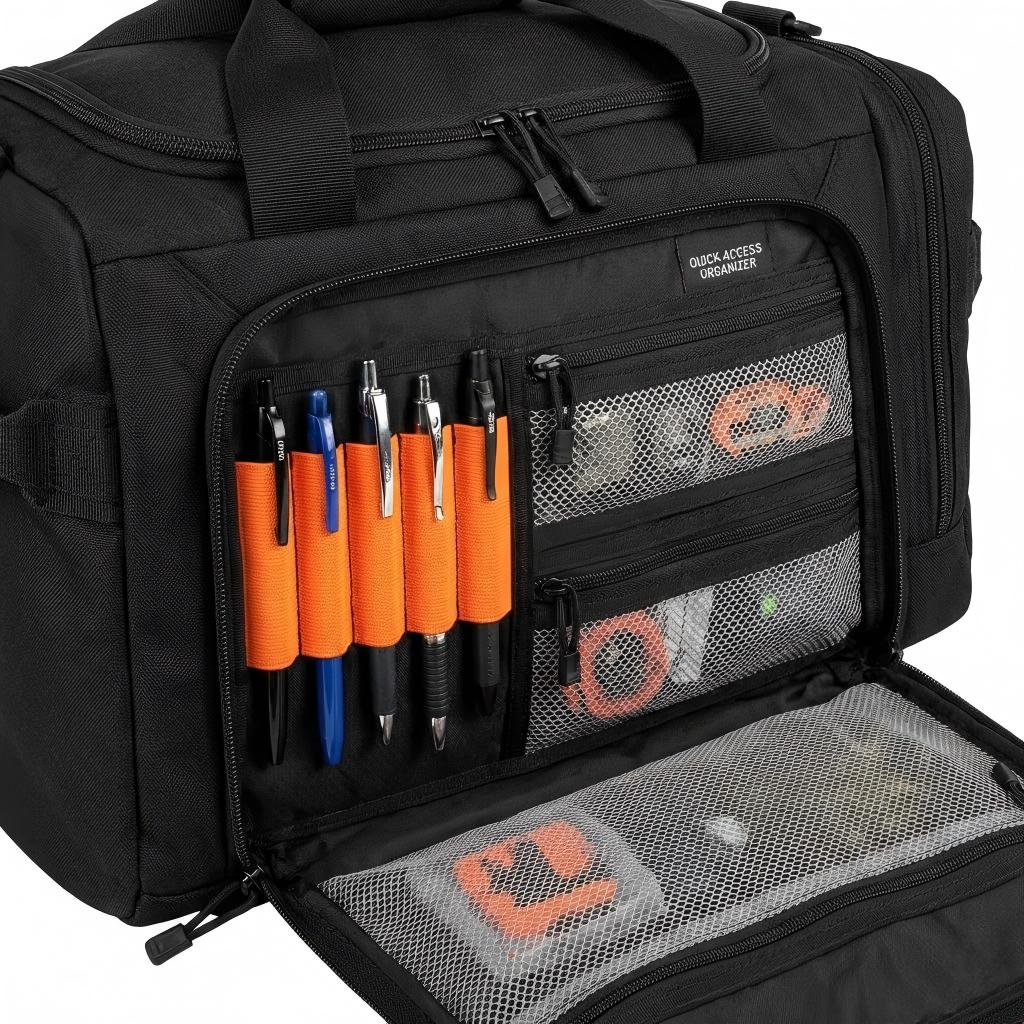
Quick-Access Front Organizer
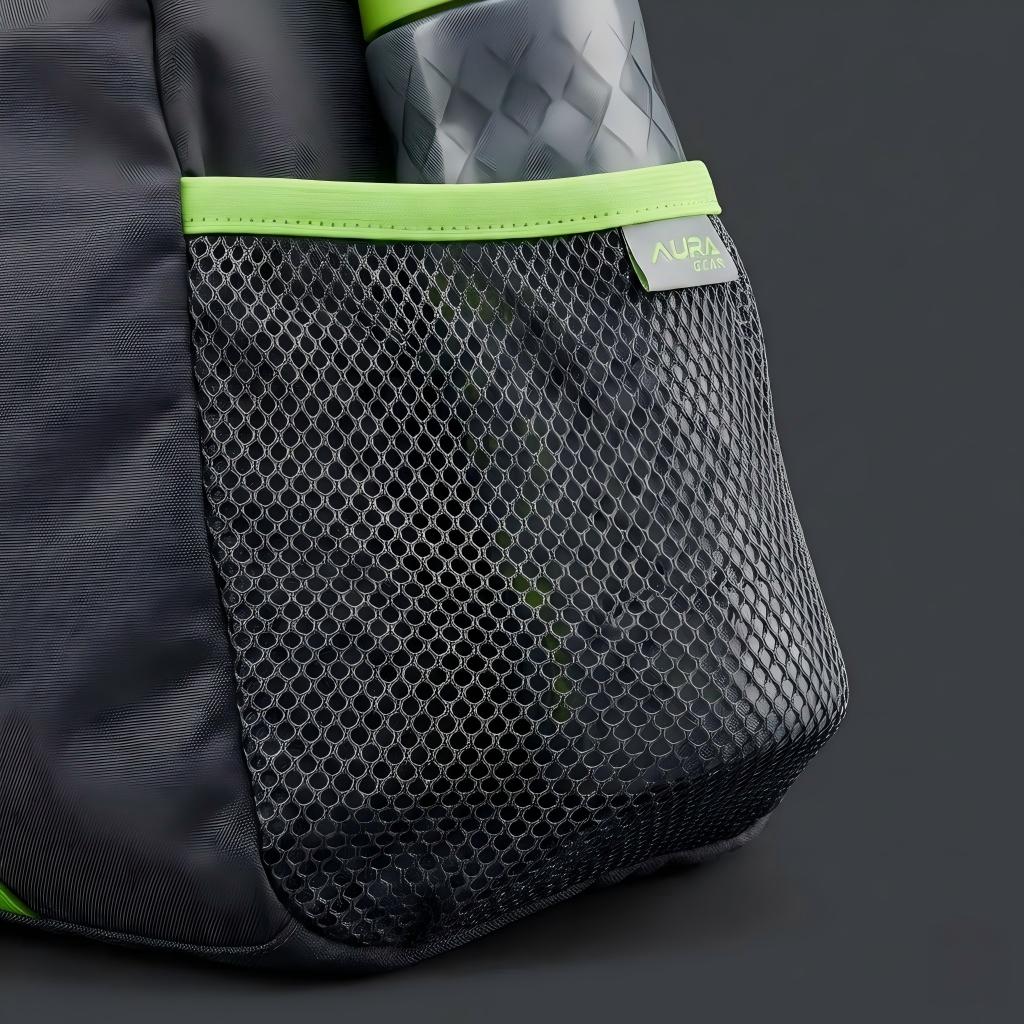
Elastic Mesh Side Pocket
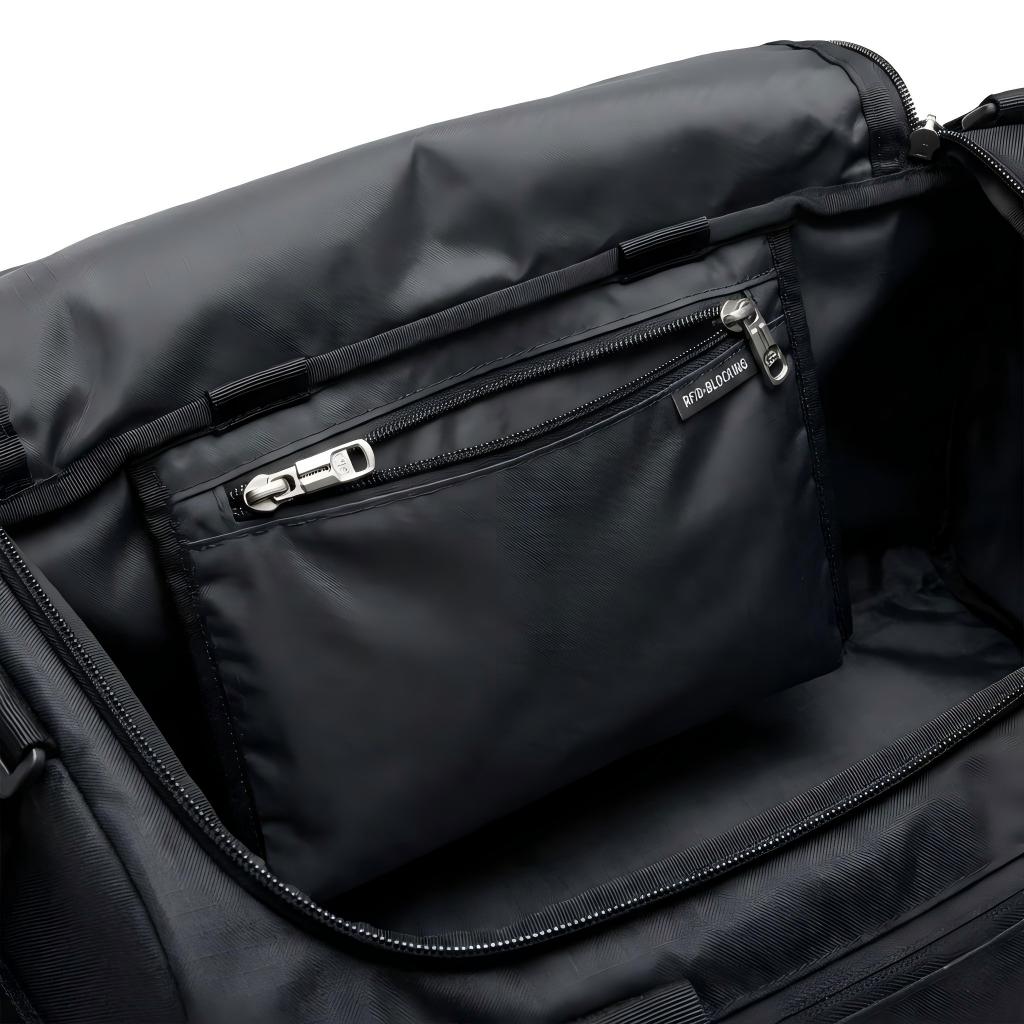
Internal Zippered Security Pouch
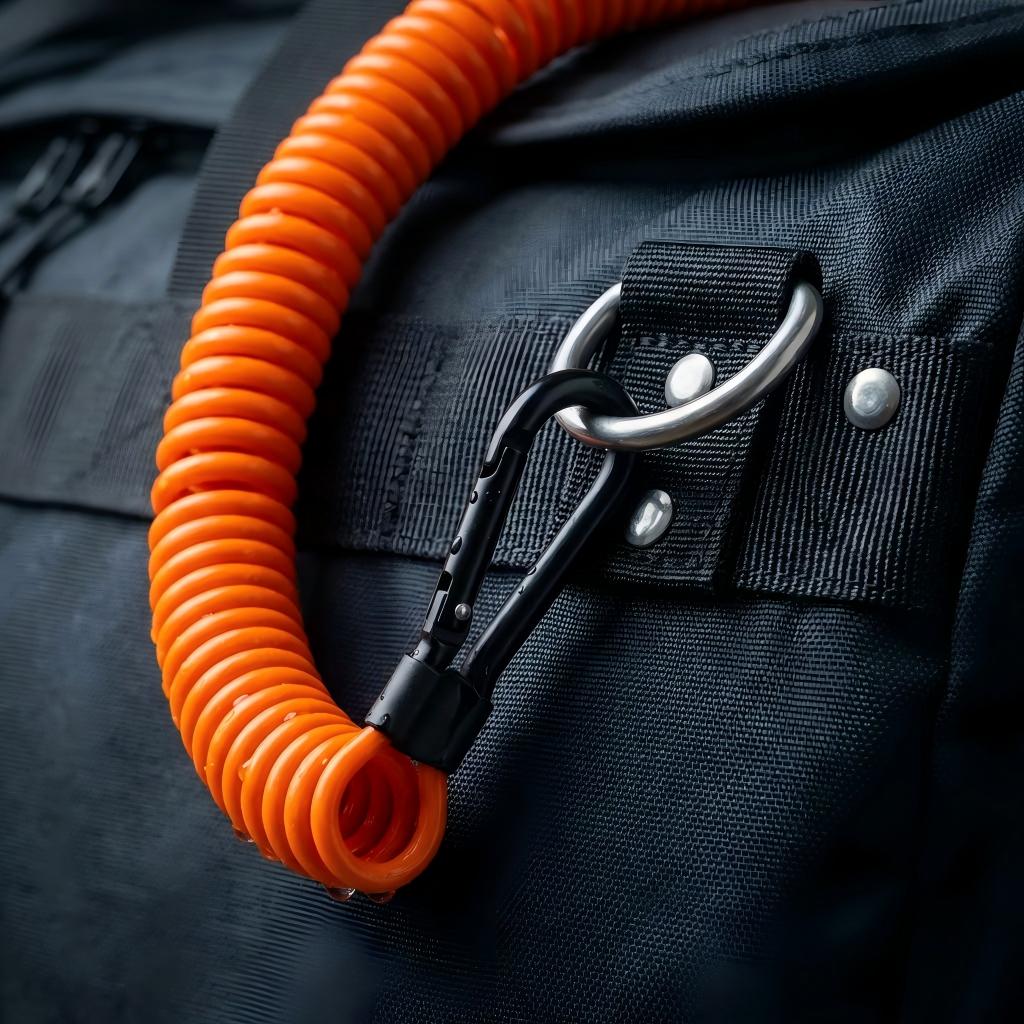
Integrated Key Leash
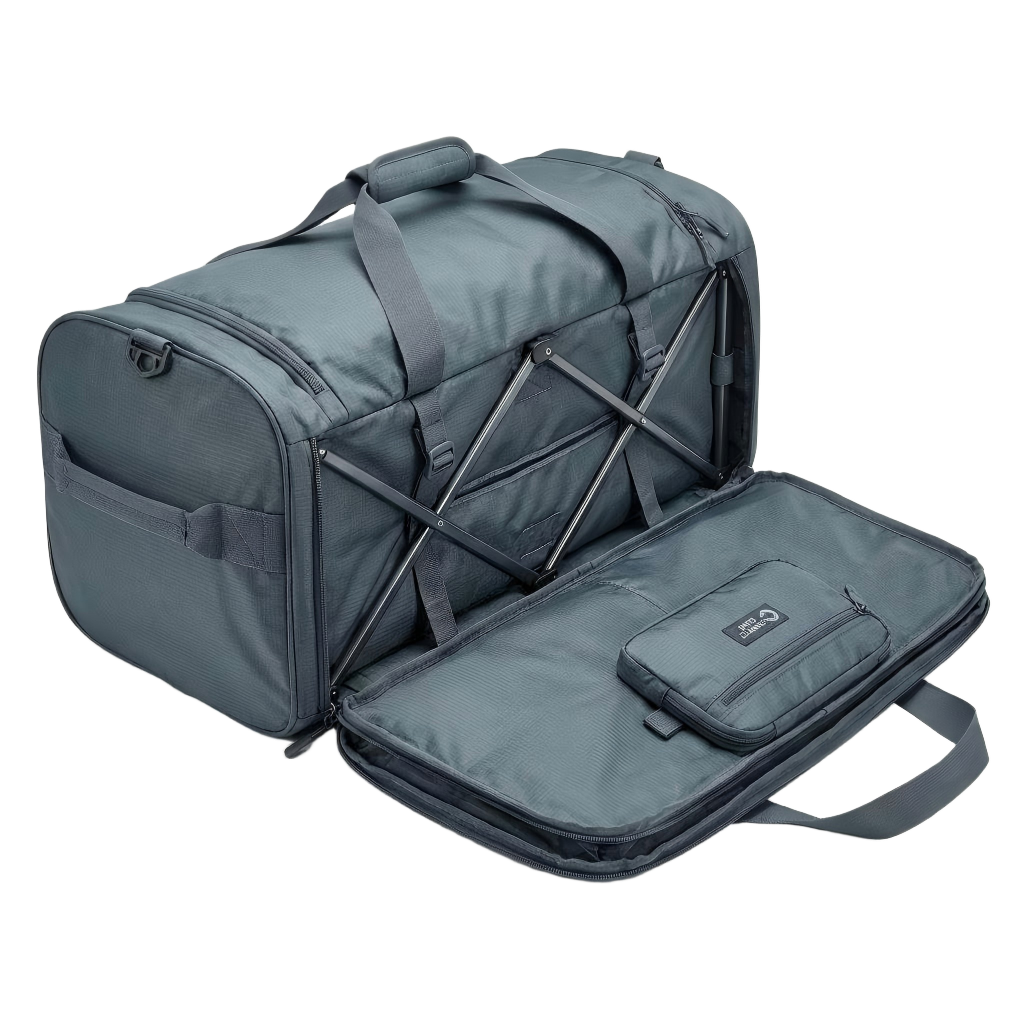
Foldable Compact Design
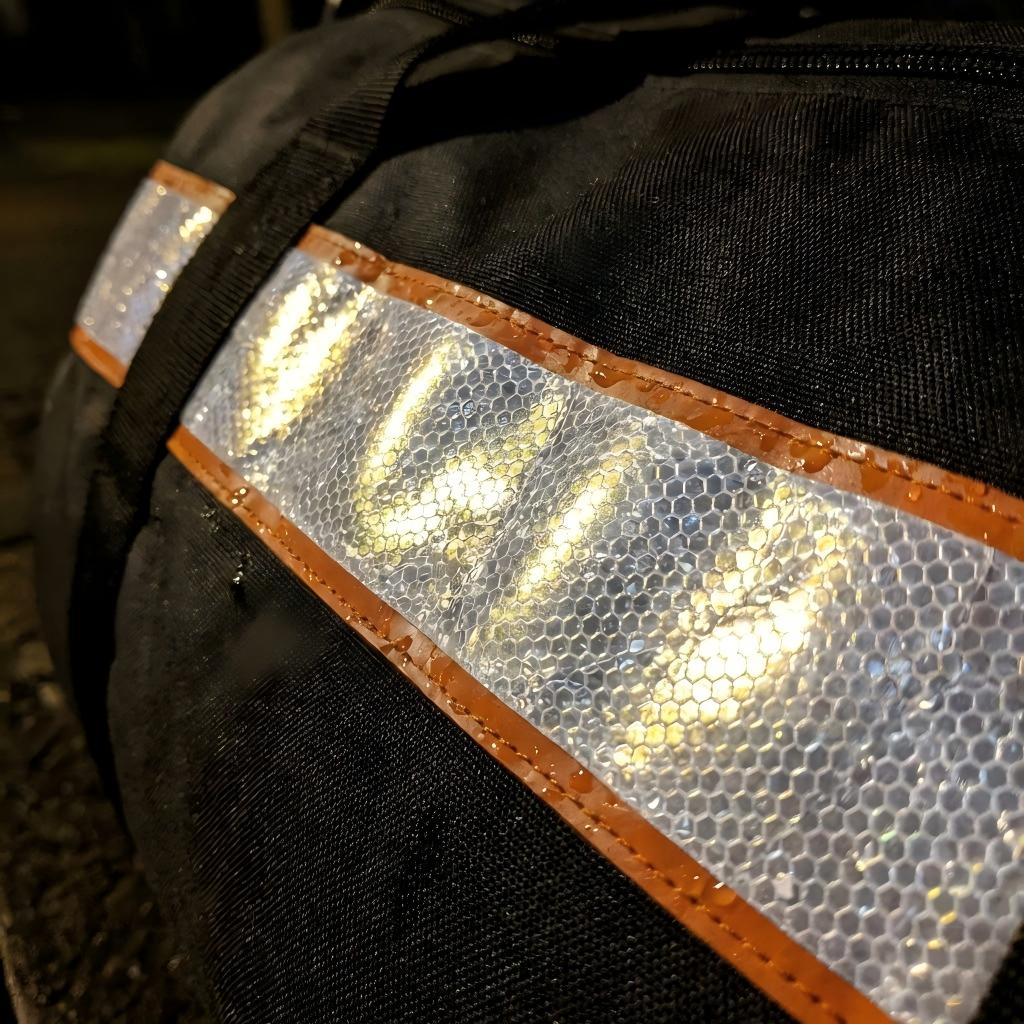
Reflective Night-Safety Strips
Custom Duffel Bag Printing Styles: A Complete Guide
Choosing the right logo application is critical when sourcing custom duffel bags for your brand. A poor printing choice can cause logos to peel off a gym duffel bag after just a few uses, damaging your reputation. As a specialized manufacturer, we help you balance durability, budget, and aesthetics to create the perfect travel duffel bag or promotional item

Silk Screen Printing
- Ideal For: Gym duffel bags, large promotional events, and simple 1-3 color logos.
- The Process: Ink is pushed through a mesh screen directly onto the bag’s fabric (Nylon, Polyester, or Canvas).
- Cost & MOQ Logic: Low Cost. High setup fee per color, but very cheap unit price. Best for orders over 500 pcs.
- Buyer’s Pro-Tip: Duffel bags are flexible and get stuffed full. Ensure the ink has a “stretch additive” so the logo doesn’t crack when the bag expands.

Embroidery
- Ideal For: Premium branding, corporate gifts, and heavy-duty canvas bags.
- The Process: Digital machines stitch colored threads into the fabric to create a textured, 3D design.
- Cost & MOQ Logic: High Cost. Price is based on the logo size (stitch count). No mold fee, but slower production.
- Buyer’s Pro-Tip: Avoid this on a waterproof duffel bag. The needle punctures the fabric thousands of times, which will cause the bag to leak water in that area.

Heat Transfer
- Ideal For: Personalized duffel bags requiring photos, gradients, or multi-colored artwork.
- The Process: The design is printed on a vinyl film and heat-pressed onto the bag surface.
- Cost & MOQ Logic: Medium Cost. No screen fees, making it great for smaller orders (100-300 pcs), but the unit price is higher than screen printing.
- Buyer’s Pro-Tip: Keep heat transfer logos small (e.g., on a pocket). Large heat transfers on a soft duffel bag can feel like a stiff “plastic patch” and look cheap.

Rubber Patch
- Ideal For: Tactical gear, outdoor sports brands, and heavy-duty travel bags.
- The Process: A custom mold is created to cast your logo in rubber, which is then sewn onto the bag.
- Cost & MOQ Logic: High Setup / Low Unit Cost. Expensive mold fee ($50-$100), but the patches are cheap. Best for repeat orders.
- Buyer’s Pro-Tip: Use this method to add value. A rubber patch makes a standard bag look like high-end retail gear instantly.

Sublimation Printing
- Ideal For: All-over prints (like camouflage) or bright, complex designs on light colors.
- The Process: Ink is infused into the fabric fibers using heat (Gas state).
- Cost & MOQ Logic: Medium Cost. Only works on White Polyester fabrics.
- Buyer’s Pro-Tip: This is the only method where the design will never fade or peel, making it perfect for bags that will be washed frequently.

Embossing
- Ideal For: Luxury weekenders and faux-leather travel bags.
- The Process: A metal die presses the logo into the material to create a sunken effect.
- Cost & MOQ Logic: Medium Cost. Requires a mold fee.
- Buyer’s Pro-Tip: This adds a subtle, premium feel. It does not use ink, so the logo color will be the same as the bag material.
| Method | Durability | Cost (500+ pcs) | Best For Waterproof Bags? |
|---|---|---|---|
| Silk Screen | High | $ (Lowest) | Yes (with special ink) |
| Embroidery | Very High | $$$ (Highest) | No (Punctures fabric) |
| Heat Transfer | Medium | $$ (Medium) | Yes |
| Rubber Patch | Very High | $$ (Medium) | Yes (Sewn on top) |
Yes. For a truly waterproof duffel bag (often made of PVC Tarpaulin), we recommend Silk Screen Printing or Rubber Patches. We avoid embroidery because the needle holes destroy the waterproof seal.
Absolutely. According to standard airline rules, a carry on duffel bag should typically be around 22" x 14" x 9" (approx 40-45 Liters). We can adjust the mold to ensure your custom bags are TSA-compliant.
If you need each bag to have a different name (e.g., for a sports team), Embroidery is the best option. We can easily change the text for each unit without setting up new screens or molds.
Why Global Brands Trust Loomibag as Their china Duffel Bag Manufacturer
With over one decades of expertise in heavy-duty luggage production, Loomibag stands as a premier partner for global sports and travel brands. We engineer high-capacity gear that withstands the rigors of transit, blending rugged industrial durability with modern aesthetic appeal to deliver the ultimate duffel bag
Our facility is equipped with automated cutting tables and long-arm stitching machines specifically designed to handle the large fabric panels required for travel duffel bag production. Whether you are launching a seasonal gym collection or need a rush order for holiday retail, our agile production lines ensure we meet high-volume demands without bottlenecks or delays.
We focus intensely on the two most critical failure points: the handle attachments and the main zipper. Our QC protocols include dynamic load-bearing tests to ensure webbing handles never detach under heavy weight, and reciprocation testing to prevent zipper bursting. We adhere to strict AQL 2.5 standards to guarantee every heavy duty duffel bag is ready for the locker room or the cargo hold.
We solve the "structure vs. storage" dilemma common in soft luggage. Our R&D team excels at engineering foldable designs that pack down small for shipping but maintain their shape when in use. From integrating ventilated shoe compartments to sourcing tarpaulin for a waterproof duffel bag, we transform complex functional requirements into sleek, market-ready designs.
We navigate the complex landscape of international compliance, ensuring all materials meet REACH and Prop 65 standards for chemical safety. For brands prioritizing eco-conscious travel, we offer certified RPET (Recycled Polyester) materials, allowing you to market a sustainable weekend bag that appeals to modern, responsible consumers.
Situated in a key textile hub, we have immediate access to durable nylon, polyester, and canvas at volume rates. This proximity allows us to source high-grade webbing and hardware locally, significantly reducing the material costs for your custom duffel bags without compromising on the strength required for heavy loads.
Producing duffel bags often involves large-format branding, from screen printing to embroidery on side panels. Our project managers are experts in print placement and logo execution, providing 24/7 support and clear communication from the initial tech pack review to the final shipment, ensuring your brand identity is perfectly preserved.
Trusted by the World's Best Duffel bag Brands
We apply the same rigorous manufacturing standards to your Duffel bag as we do for our established partners.


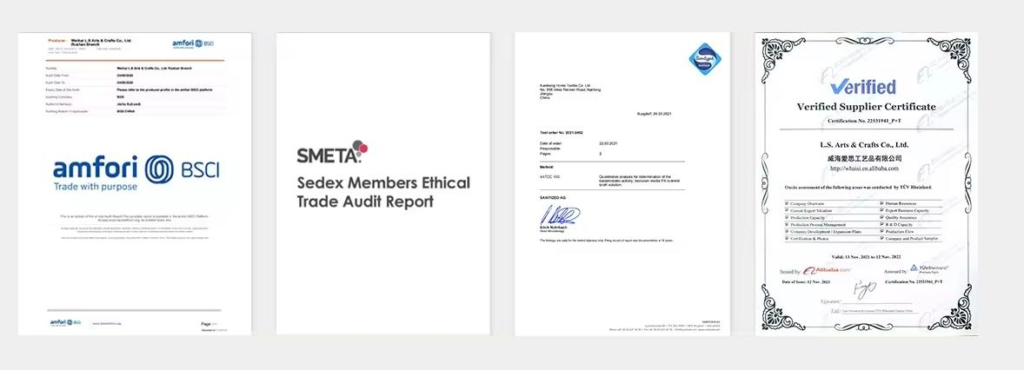
Certificate
We apply the same rigorous manufacturing standards to your Duffel bag as we do for our established partners.
- Established:2011
- Area:7500㎡,Workers:315
- Main products:All kinds of outdoor bag, funtional bag,,
- Certificate: BSCI、Sedex、SCS、C-TPAT
How We Produce Your Duffel Bag
At our factory, we believe that a great product starts with a flawless process. We apply strict quality control at every single stage of production to ensure we produce the best travel duffel bag for your customers.

We begin by listening carefully to your specific needs. Our team discusses your target market, budget, and design preferences to ensure we fully understand your vision for the product.

Before mass production begins, we bring your idea to life. Our sample room creates a physical pre-production prototype so you can check the handle placement, zipper quality, and overall capacity of the duffel bag in person.

We source only the best raw materials for your order. Whether you require a durable canvas duffel bag or a lightweight nylon option, we inspect all fabrics, buckles, and zippers before they enter the production line.

Precision is key to a neat final look. We use advanced die-cutting machines to cut the fabric panels, ensuring every piece of the large duffel bag is the exact shape and size required for assembly.

Our skilled sewing technicians assemble the bags on the production line. They expertly stitch the reinforced handles, attach adjustable straps, and install the trolley system if you are producing a rolling duffel bag.

We do not let errors slip through. Our QC team performs rigorous checks, including seam strength tests and fabric resistance tests, to ensure you receive a truly waterproof duffel bag that can handle any weather.

Once approved, each item is cleaned and packed. We use protective stuffing to maintain the bag’s shape and place it in polybags or custom boxes to ensure every duffel bag stays clean and safe.

Your finished order is moved to our secure warehouse. We organize the logistics and handle the shipping documentation to ensure your shipment is delivered to your destination on time.

Our partnership continues even after the goods leave our factory. We stay in touch to ensure you are satisfied with the delivery and to gather feedback on the product’s performance for future orders.

Skip the Lead Time: Wholesale Duffel Bags, Ready to Ship
Need inventory fast? Bypass the manufacturing queue with our pre-inspected, in-stock selection. We combine factory-direct pricing with immediate availability, ensuring you never miss a sale due to low stock. Verified quality, packed and ready to move today.
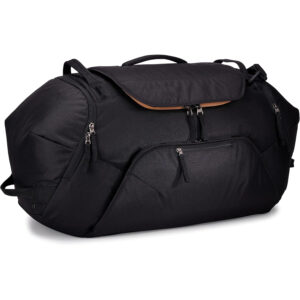
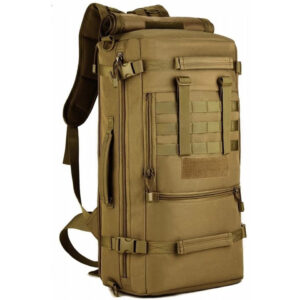
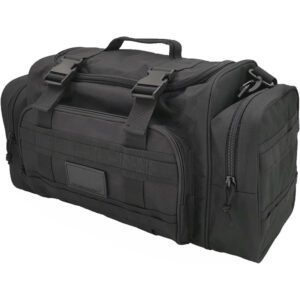
Heavy-Duty Expedition Duffel Bags: Precision-Engineered for Travel & Logistics
The most frequent failure in sourcing duffel bags is handle separation and zipper bursts when the bag is fully loaded or overstuffed. We eliminate this liability by utilizing a “continuous webbing” construction method, where the handle straps wrap 360 degrees around the bag body rather than just being stitched to the surface. Our manufacturing protocols strictly adhere to heavy-load testing standards, ensuring your customers receive a product that survives rough airport handling and rugged outdoor use without critical failure.
● 01. Load-Bearing & Suspension Integrity
How do you reinforce the handle attachment points to prevent tearing under heavy loads?
We do not rely on simple top-stitching for handles, which is the leading cause of failure. We use a Continuous Webbing System, where the strap runs underneath the bag, transferring the weight to the strap itself rather than the fabric. For anchor points, we utilize Box-X automatic pattern stitching with bonded nylon thread (Tex 70). We verify this with a Static Load Test, suspending 40kg for 24 hours to ensure zero seam slippage.
What testing do you perform on the shoulder strap hardware to ensure it won't snap?
Plastic clips often shatter in cold weather or under impact. We use POM (Polyoxymethylene) hardware, known for high stiffness and low friction, or electroplated metal swivel hooks. We conduct a Jerk Test, subjecting the strap assembly to 500 sudden vertical pulls with a 20kg load. This ensures the swivel mechanism and spring clips remain intact and functional under dynamic stress.
● 02. Zipper Integrity & Burst Protection
How do you prevent the main zipper from bursting open when the bag is overstuffed?
Zipper failure is unacceptable. We standardly use YKK #10 RC (Racquet Coil) zippers or equivalent heavy-gauge chains which are specifically engineered to resist lateral pull forces. We perform a Crosswise Strength Test (ASTM D2061), ensuring the zipper teeth hold together under significant lateral tension. We also double-stitch the zipper tape to the bag body to prevent the fabric from fraying at the opening.
Do you use lockable zipper sliders that resist breaking during rough baggage handling?
Yes. Our sliders are die-cast Zinc Alloy, designed with a reinforced bridge to prevent snapping. We perform a Torque Test on the puller tab to ensure it does not twist off when a user pulls it at an awkward angle. The sliders are designed to interlock for TSA padlocks, providing security without compromising the mechanical strength of the slider body.
● 03. Material Durability & Weatherproofing
What materials do you use for the base to prevent holes from dragging on rough surfaces?
The base is the high-wear zone. We reinforce the bottom panel with 1680D Ballistic Nylon or a TPU-laminated Polyester panel. This material is chosen for its extreme density. We subject the base material to a Martindale Abrasion Test, running it for 20,000 cycles against sandpaper to guarantee it resists scuffing and tearing on tarmac or concrete floors.
How does the main body fabric resist rips and punctures from sharp equipment?
We utilize Ripstop Polyester or Nylon with a PU (Polyurethane) backing. The “Ripstop” weave incorporates a thicker reinforcement thread every 5mm in a crosshatch pattern. If a puncture occurs, this grid prevents the tear from spreading. We verify material quality using an Elmendorf Tear Strength Test (ISO 13937-1) to ensure the fabric meets industrial durability standards.
● 04. Weather Resistance & Seam Sealing
How effective is the waterproofing for outdoor or tactical use?
We do not rely on generic fabric coatings. We apply a 0.15mm TPE (Thermoplastic Elastomer) backing to the interior of the fabric, which provides a waterproof barrier superior to standard PVC. For “waterproof” claims, we conduct a Hydrostatic Head Test, ensuring the fabric can withstand at least 1500mm of water pressure before leakage occurs.
Do you use taped seams to prevent water ingress through the stitching holes?
For our high-performance models, yes. Stitching holes are the weak point for water entry. We use High-Frequency (HF) Welding or heat-sealed tape over the internal seams. This seals the needle holes completely. This process is critical for keeping contents dry in heavy rain and is verified by placing the bag in a Rain Spray Chamber for 30 minutes to check for internal moisture.
Reliable Quality, Affordable Price, Fast Delivery and Full Customization. The direct manufacturer in China.
Our products wholesale can be easy. Loomibag has helped customers in more than 30 countries to be successful and earn good profits. We also welcome you to become an exclusive distributor in your country.After signing the agreement, we will not wholesale any more products to your country or region, your orders will be processed and shipped first, and we will execute your custom bag’ design after you send us the first time. Click the buttons below, and let’s grow your brand together.
 English
  Turkish
  German
  Dutch
Dutch  French
  Danish
  Finnish
  Swedish
  Italian
  Polish
  Portuguese
  Spanish