Top Outdoor Backpack Manufacturer | Premium Quality Backpacks from China
Your trusted partner for premium OEM/ODM solutions. ISO certified quality, scalable production, and rapid prototyping
Premier Custom Backpack Manufacturer: You Select the Style, We Engineer the Rest
As a premier China Backpack Factory, Loomibag turns your concepts into market-ready reality. We offer end-to-end wholesale solutions—from R&D and custom design to rigorous testing—ensuring your branded backpacks meet global quality standards.
custom backpack
custom chest bag
custom crossbody bag
Custom messenger bag
custom Duffel bag
custom waterproof bag
custom travel bag
custom tactical bag
- Tactical Sling & EDC Bags
- Tactical Duffle & Deployment Bags
- Pistol Range & Shooting Gear Bags
- Rifle Cases & Drag Bags
- Tactical Backpacks & Go Bags
- Tactical Messenger & Laptop Bags
- Tactical Diaper Bags for Dads
- Medical & First Responder Bag
- Chest Rigs & Waist Packs
- Tactical Lunch & Cooler Bags
- Police & Law Enforcement Gear
- Tactical Accessories & Pouches
Custom Hiking bag
Custom fishing bag
custom surfboard bag
Custom bike bag
custom tool bag
custom cooler bag
Custom Lunch bag
Custom mackup bag
custom hunting bag
custom gym bag
custom ski bag
custom pet carrier
custom diaper bag
- Ergonomic Diaper Backpacks
- Tactical Diaper Bag Series
- Vegan Leather Baby Bags
- Travel & Overnight Diaper Bags
- Sustainable (GRS) Diaper Bags
- Gender-Neutral Parenting Packs
- Fashion Diaper Totes for Women
- 3-in-1 Convertible Diaper Bags
- Universal Stroller & Pram Organizers
- Messenger & Satchel Changing Bags
- Water-resistant Nylon Baby Bags
- Portable Diaper Changing Clutches
Get Sample
See the quality before you buy

Laptop Backpack

Drawstring Backpack

Diaper Backpack

Tactical Backpack

Skate Backpack

School Backpack

Travel Backpack

Hiking Backpack

Hunting Backpacks

Gym Backpack

Sling Backpack

Rolling Backpack

Camping Backpack

Fishing Backpack
The Ultimate Fabric Guide to make Backpack
As a leading custom backpack manufacturer, we know that choosing the right fabric is the first step to a successful product. Whether you are designing durable school bags, outdoor hiking gear, or stylish fashion backpacks, we have the perfect material for you.
Here is a breakdown of the most popular backpack fabrics to help you make the best choice for your project.

What is Polyester Oxford Fabric?
Polyester Oxford is a basket-weave textile made from continuous filament polyester yarns. Positioned as the Global Industry Standard for mid-range utility gear, it offers the durability of synthetic fibers at a fraction of the cost of Nylon. It is the definitive choice for balancing structural integrity with competitive pricing in the luggage and outdoor markets.
Why source this for your production?
- High Cost-Performance: Significantly lower raw material cost than Nylon. Ideal for maximizing margins on volume-driven orders (e.g., School Bags, Promotional Items).
- Production Efficiency: Dimensionally stable structure allows for easy stacking, cutting, and sewing. Low fraying rates reduce production waste.
- Versatile Finishing: Bonds aggressively with PVC/PU backings for waterproofing and stiffness. Fully compatible with Sublimation Printing for vibrant custom designs.
Key Specifications
- Construction: 600D (Standard) / 300D / 900D
- Weight: 280gsm – 400gsm (Dependent on coating thickness)
- Width: 58″/60″ (148cm usable)
- Coating: PVC (Structure), PU (Water Resistance), ULY
- Compliance: REACH, RoHS, EN71-3 (Phthalate-Free) available
Sourcing Tip: “600D” is a generic term. Always specify the weave density to control costs.
- 600D x 600D: Standard durability (Recommended for Backpacks).
- 600D x 300D: Economy grade (Recommended for Promotional giveaways).

What is Nylon Oxford Fabric?
High-tenacity polyamide filament fabric with a robust basket-weave structure. Positioned as the Mid-to-Premium standard for performance backpacks.
Core Value: Offers superior strength-to-weight ratio vs. Polyester, allowing brands to justify higher retail price points through premium tactility and durability.
Why source this for your production?
- Reduced Returns: Higher tensile strength and abrasion resistance minimize warranty claims compared to standard polyester.
- Production Efficiency: Softer hand feel ensures smoother sewing on complex curves and pockets, reducing needle breakage and waste.
- Versatile Finishing: Excellent substrate for PU or Silicone coatings. Maintains fabric flexibility while achieving high water-resistance ratings.
Key Specifications
- Material: 100% Polyamide (Nylon 6 or 6.6)
- Popular Deniers: 210D (Lining), 420D (Standard), 840D (Heavy Duty)
- Width: 58″ / 60″
- Finish: PU Coating, WR, C0/C6 DWR
- Compliance: REACH, OEKO-TEX Standard 100
Sourcing Tip: Specify Nylon 6 for general retail backpacks to maximize profit margins. Reserve Nylon 6.6 strictly for military/tactical specs to avoid an unnecessary 30-40% raw material cost premium.
What is Nylon Oxford Fabric?
High-tenacity polyamide filament fabric with a robust basket-weave structure. Positioned as the Mid-to-Premium standard for performance backpacks.
Core Value: Offers superior strength-to-weight ratio vs. Polyester, allowing brands to justify higher retail price points through premium tactility and durability.
Why source this for your production?
- Reduced Returns: Higher tensile strength and abrasion resistance minimize warranty claims compared to standard polyester.
- Production Efficiency: Softer hand feel ensures smoother sewing on complex curves and pockets, reducing needle breakage and waste.
- Versatile Finishing: Excellent substrate for PU or Silicone coatings. Maintains fabric flexibility while achieving high water-resistance ratings.
Key Specifications
- Material: 100% Polyamide (Nylon 6 or 6.6)
- Popular Deniers: 210D (Lining), 420D (Standard), 840D (Heavy Duty)
- Width: 58″ / 60″
- Finish: PU Coating, WR, C0/C6 DWR
- Compliance: REACH, OEKO-TEX Standard 100
Sourcing Tip: Specify Nylon 6 for general retail backpacks to maximize profit margins. Reserve Nylon 6.6 strictly for military/tactical specs to avoid an unnecessary 30-40% raw material cost premium.

What is Neoprene Fabric for Backpacks?
Neoprene (Polychloroprene/SBR) is a synthetic rubber foam sandwiched between two layers of knit fabric (usually Polyester or Nylon Jersey). In the bag industry, it is positioned as a Premium / Tech-Lifestyle material.
Core Value: It offers a unique “scuba” aesthetic with inherent structural memory and shock absorption, allowing brands to create high-margin, 3D-sculpted backpacks without complex stiffeners.
Why source Neoprene for your production?
- Built-in Shock Protection: The foam core provides natural cushioning. This reduces manufacturing costs by eliminating the need to cut and sew separate foam padding for laptop sleeves.
- Superior Shape Retention: Unlike soft nylon, Neoprene bags maintain their 3D shape on retail shelves. This increases perceived value and shelf appeal.
- Sublimation Ready: The polyester face layer is optimized for Digital Sublimation Printing, allowing for vibrant, full-color custom patterns with no minimum color limits.
- Water-Resistant & Insulating: Naturally repels water and protects contents from temperature changes, a key selling point for tech and lunch bags.
Key Specification
- Composition: SBR (Standard) or CR (Premium) Core + Poly Jersey Face.
- Standard Thickness: 2.5mm – 4.0mm (3.0mm is the industry standard for bags).
- Supply Format: Sheets (typically 51″ x 130″), not continuous rolls.
- Certifications: REACH, RoHS, CA65 (Critical for rubber-based goods).
Sourcing Tip: To maximize profit margins, specify SBR (Styrene Butadiene Rubber) instead of CR (Chloroprene). SBR mimics the soft, spongy hand-feel of diving-grade neoprene but costs 30-40% less. Only use CR if the bag requires genuine oil resistance or deep-water submersion.

What is Canvas Fabric?
Canvas is a heavy-duty, plain-weave textile known for its extreme durability and structural stability. Manufactured using coarse spun yarns in a tight Duck Weave construction, it serves as the industry standard for heritage and lifestyle bags.
- Yarn Type: Heavy Spun Cotton or Poly-Cotton (T/C) Blends.
- Market Position: Mid-Range to Premium.
- Core Advantage: Offers a high-value “natural” aesthetic that justifies a higher retail price point (MSRP) than standard polyester.
Why source Canvas for Backpacks?
- Premium Perceived Value: The natural texture instantly elevates product quality, allowing for higher profit margins compared to synthetic nylon/polyester.
- Superior Workability: Stable weave structure ensures easy cutting and sewing with minimal fraying, reducing factory waste rates.
- Versatile Finishing: Excellent substrate for Waxing (water resistance), PU Coating, and high-definition Screen Printing.
- High Durability: Exceptional abrasion resistance and load-bearing capacity, ideal for daily-use rucksacks and travel gear.
Key Specifications
- Weight: 12oz – 24oz (340gsm – 680gsm).
- Width: 57″ / 58″ (Standard cuttable width).
- Material: 100% Cotton, Organic Cotton, or T/C Blend.
- Coating: PU, PA, or Waxed finish.
- Compliance: REACH, OEKO-TEX Standard 100, BCI available.
Sourcing Tip: To balance cost and performance, specify a T/C (Poly-Cotton) Canvas instead of 100% Cotton. The polyester blend significantly improves Color Fastness and tear strength while reducing raw material costs, without compromising the vintage look.
What is Canvas Fabric?
Canvas is a heavy-duty, plain-weave textile known for its extreme durability and structural stability. Manufactured using coarse spun yarns in a tight Duck Weave construction, it serves as the industry standard for heritage and lifestyle bags.
- Yarn Type: Heavy Spun Cotton or Poly-Cotton (T/C) Blends.
- Market Position: Mid-Range to Premium.
- Core Advantage: Offers a high-value “natural” aesthetic that justifies a higher retail price point (MSRP) than standard polyester.
Why source Canvas for Backpacks?
- Premium Perceived Value: The natural texture instantly elevates product quality, allowing for higher profit margins compared to synthetic nylon/polyester.
- Superior Workability: Stable weave structure ensures easy cutting and sewing with minimal fraying, reducing factory waste rates.
- Versatile Finishing: Excellent substrate for Waxing (water resistance), PU Coating, and high-definition Screen Printing.
- High Durability: Exceptional abrasion resistance and load-bearing capacity, ideal for daily-use rucksacks and travel gear.
Key Specifications
- Weight: 12oz – 24oz (340gsm – 680gsm).
- Width: 57″ / 58″ (Standard cuttable width).
- Material: 100% Cotton, Organic Cotton, or T/C Blend.
- Coating: PU, PA, or Waxed finish.
- Compliance: REACH, OEKO-TEX Standard 100, BCI available.
Sourcing Tip: To balance cost and performance, specify a T/C (Poly-Cotton) Canvas instead of 100% Cotton. The polyester blend significantly improves Color Fastness and tear strength while reducing raw material costs, without compromising the vintage look.

What is Wholesale Backpack Leather?
This is industrial-grade Genuine Bovine Leather, specifically tanned for bag construction. Available in Full-Grain (natural surface) or Top-Grain (corrected surface), it offers the ideal balance of flexibility and structural rigidity.
- Structure: Natural collagen fiber network (Non-woven).
- Market Positioning: High-End / Luxury / Heritage.
- Core Value: The industry standard for premium pricing; offers the highest ROI per unit in the backpack market.
Why source this for your production?
- High Retail Markup: Leather goods command 300% to 500% higher MSRP compared to nylon or canvas, maximizing profit margins.
- Extreme Durability: Natural fiber strength prevents tearing at high-stress points (straps/handles) without requiring heavy backing.
- Premium Aging (Patina): Unlike synthetics that degrade, this material develops a unique sheen over time, a critical selling point for lifestyle brands.
- Versatile Finishing: Compatible with embossing, debossing, and oil/wax finishes (Crazy Horse style) for distinct brand aesthetics.
Key Specifications
Standard technical parameters for B2B procurement:
- Material: 100% Genuine Cowhide.
- Thickness: 1.4mm – 2.0mm (3.5oz – 5oz).
- Hide Size: Avg. 20 – 25 sq. ft. per side.
- Tanning: Chrome Tanned (Soft/Water-resistant) or Vegetable Tanned (Stiff).
- Compliance: REACH Certified, Chrome VI Free, Low Lead.
Sourcing Tip: Leather is sold by the Square Foot, not Linear Yard. Due to irregular hide shapes and natural markings, always calculate a 15%–20% cutting loss in your cost analysis. For cost efficiency, use flank sections for gussets and prime sections for front panels.

What is Cotton Twill?
Cotton Twill is a durable, diagonal-weave textile engineered from Ring-Spun Cotton Yarns. Defined by its signature wale pattern (typically 3/1 or 2/1 structure), this fabric offers a denser construction than standard plain weave canvas.
- Structure: High-density diagonal weave (Drill/Twill).
- Market Positioning: Mid-Range to Premium “Heritage” grade.
- Core Value: Combines industrial-strength durability with a premium aesthetic, allowing brands to command higher retail margins on urban and lifestyle backpacks.
Why source this for your production?
- High Tear Strength: The twill structure allows for higher thread counts and yarn mobility, resulting in superior resistance to tearing and abrasion compared to standard canvas.
- Excellent Workability: Stable bias and minimal fraying ensure high cutting efficiency and ease of sewing, reducing factory waste and labor costs.
- Versatile Finishing: Compatible with high-value treatments including Wax Coating (water repellency), PU Backing (structure), and Garment Washing for vintage effects.
Key Specifications
Essential technical data for procurement:
- Material: 100% Cotton (Ring-Spun).
- Weight: 10oz – 16oz (280 – 450 GSM).
- Width: 57″/58″ (Cuttable).
- Construction: 16×12 / 108×56 (Typical).
- Compliance: OEKO-TEX Standard 100, REACH.
Sourcing Tip: To minimize returns on dark-colored backpacks, specify Reactive Dyeing with a Color Fastness to Rubbing (Crocking) of Grade 3-4. Standard direct dyes often fade or transfer color at high-friction points (seams/corners) on twill weaves.
What is Cotton Twill?
Cotton Twill is a durable, diagonal-weave textile engineered from Ring-Spun Cotton Yarns. Defined by its signature wale pattern (typically 3/1 or 2/1 structure), this fabric offers a denser construction than standard plain weave canvas.
- Structure: High-density diagonal weave (Drill/Twill).
- Market Positioning: Mid-Range to Premium “Heritage” grade.
- Core Value: Combines industrial-strength durability with a premium aesthetic, allowing brands to command higher retail margins on urban and lifestyle backpacks.
Why source this for your production?
- High Tear Strength: The twill structure allows for higher thread counts and yarn mobility, resulting in superior resistance to tearing and abrasion compared to standard canvas.
- Excellent Workability: Stable bias and minimal fraying ensure high cutting efficiency and ease of sewing, reducing factory waste and labor costs.
- Versatile Finishing: Compatible with high-value treatments including Wax Coating (water repellency), PU Backing (structure), and Garment Washing for vintage effects.
Key Specifications
Essential technical data for procurement:
- Material: 100% Cotton (Ring-Spun).
- Weight: 10oz – 16oz (280 – 450 GSM).
- Width: 57″/58″ (Cuttable).
- Construction: 16×12 / 108×56 (Typical).
- Compliance: OEKO-TEX Standard 100, REACH.
Sourcing Tip: To minimize returns on dark-colored backpacks, specify Reactive Dyeing with a Color Fastness to Rubbing (Crocking) of Grade 3-4. Standard direct dyes often fade or transfer color at high-friction points (seams/corners) on twill weaves.

What is 3D Air Mesh?
3D Air Mesh (also known as Spacer Mesh) is a technical Warp-Knitted Polyester fabric featuring a distinctive tri-layer “sandwich” construction.
- Structure: Two distinct fabric faces connected by vertical monofilament yarns.
- Market Positioning: Standard to Premium functional component.
- Core Value: The industry standard for creating breathable, ergonomic back panels and shoulder straps that reduce user fatigue.
Why source this for your production?
- Production Efficiency: The stable warp-knit structure is run-resistant, allowing for high-speed automated cutting and sewing without fraying.
- Compression Recovery: High-quality monofilament ensures the mesh rebounds instantly, maintaining cushioning and airflow channels even under heavy loads.
- Consumer Appeal: Visually signals “technical performance” and “ventilation” to the end buyer, justifying a higher retail price point.
Key Specifications
Standard parameters for wholesale backpack manufacturing:
- Composition: 100% Polyester (FDY/DTY).
- Weight: 230 GSM – 350 GSM.
- Thickness: 2mm – 5mm.
- Width: 58″/60″ (150cm).
- Compliance: REACH, RoHS, OEKO-TEX 100.
Sourcing Tip: For outdoor and travel backpacks, always specify “Stiff/Hard Hand Feel.” Soft mesh (often used for shoes/chairs) will collapse under the weight of a loaded bag, blocking airflow and causing the user to sweat.
Fabric Pantone Color Guide: Ensuring Accuracy in Backpack Production
Computer screens display colors using RGB light, which makes colors appear neon and bright. Fabric dyes rely on light reflection (CMYK). To eliminate this gap, we do not accept screen screenshots. We strictly use the Pantone Matching System (PMS) to ensure the backpack you design is the backpack you receive.

How Material Affects Color (Texture Variance)
Even with the correct Pantone code, the fabric type changes the visual result:
- Cotton & Canvas: Natural fibers absorb dye, making colors appear matte and muted.
- Nylon & Polyester: Synthetic fibers are glossy and reflect light, making the same code appear vivid and brighter.
- Our Solution: We adjust dye formulas based on the fabric’s Denier (thickness) to match your target.
Our 3-Step Verification Process
We verify accuracy before mass production to prevent costly mistakes:
- Lab Dips: We provide physical fabric swatches for your approval (A/B options).
- D65 Lighting: We check colors in a Light Box under D65 Standard Daylight to prevent “metamerism” (colors looking wrong indoors).
- Low Tolerance: We aim for a Delta E < 1.0, meaning the color difference is invisible to the human eye.
Safety Standard: Color Fastness
To prevent dye from rubbing off onto a user’s clothing, we adhere to strict ISO regulations:
- Test Method: ISO 105-X12 (Wet & Dry Rubbing).
- Our Guarantee: We e
Premium Backpack Details
True quality lies in the details. As a premier backpack manufacturer, we combine advanced production technology with artisanal craftsmanship. The result is a product that balances rugged functionality with refined aesthetics. Explore the technical precision behind our manufacturing process below
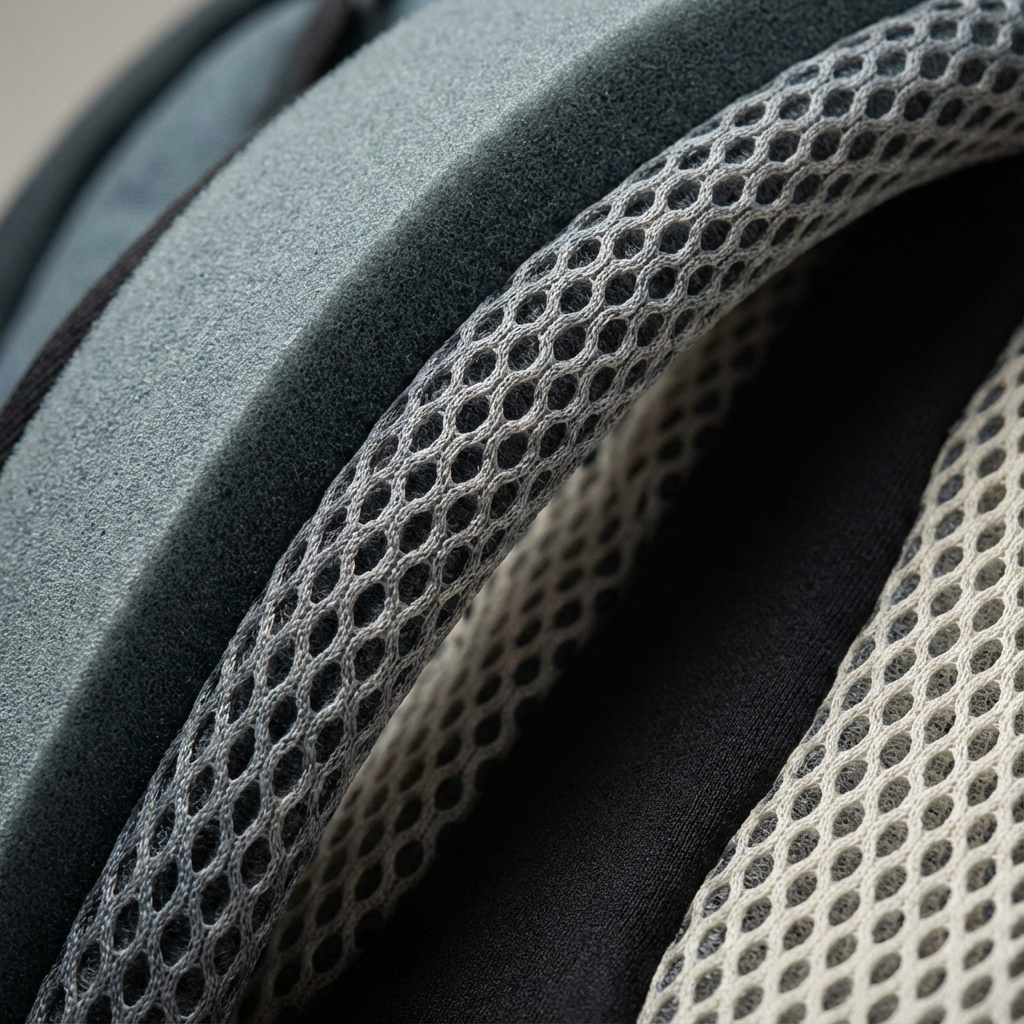
All-Day Comfort
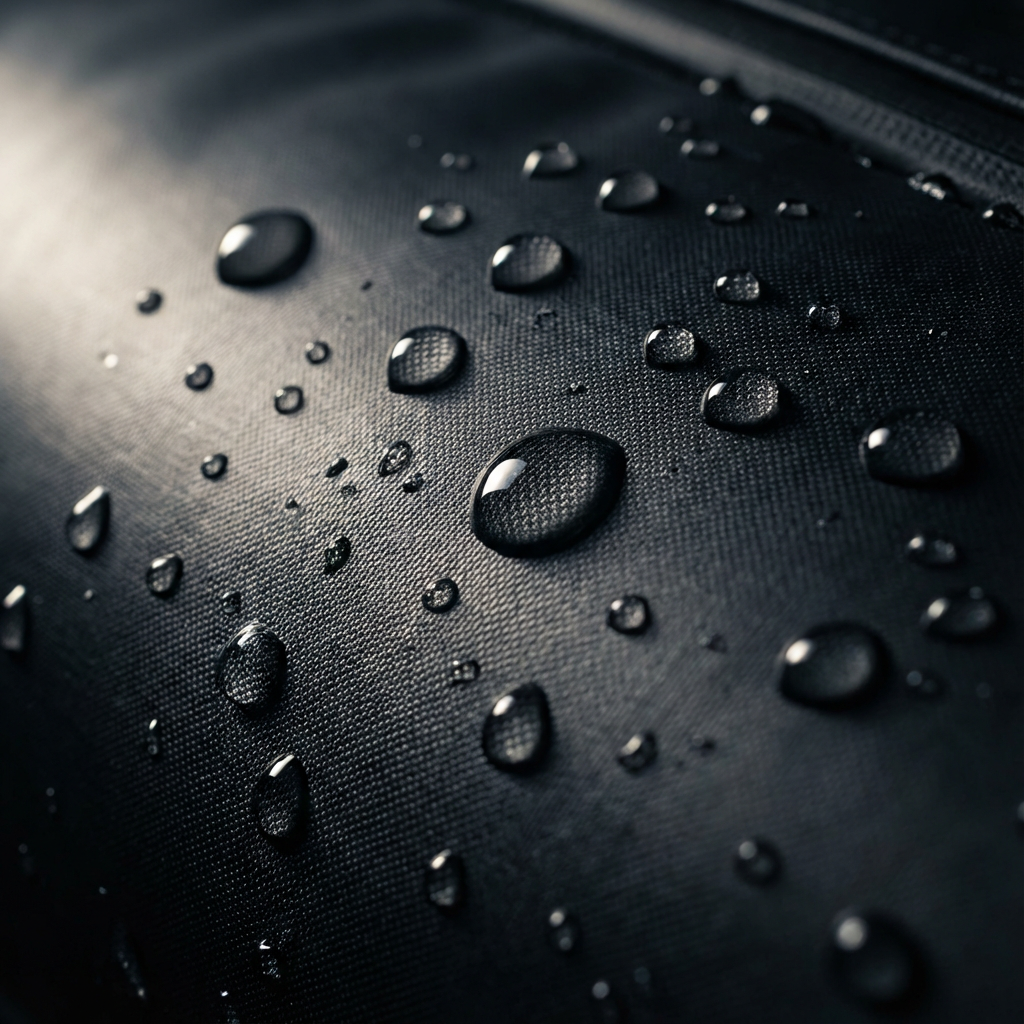
Waterproof Protection
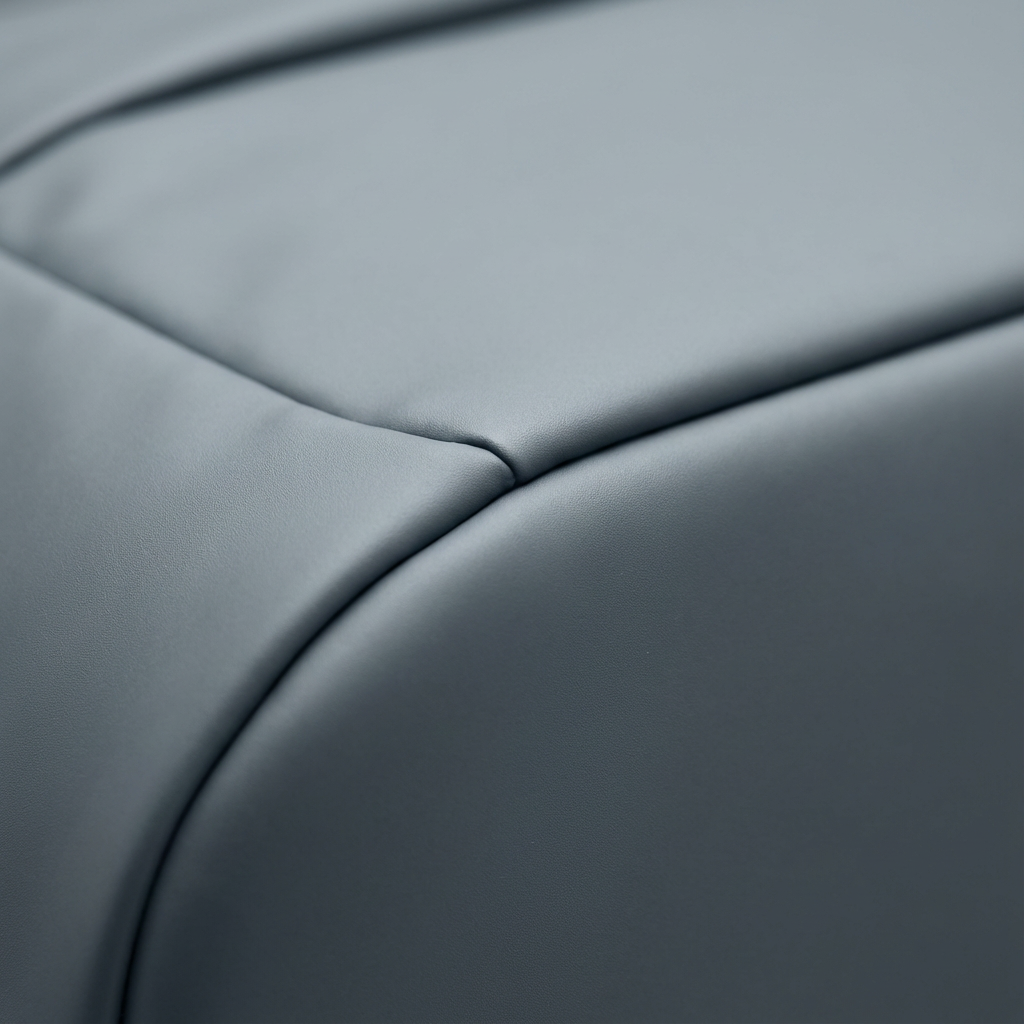
Seamless Tech
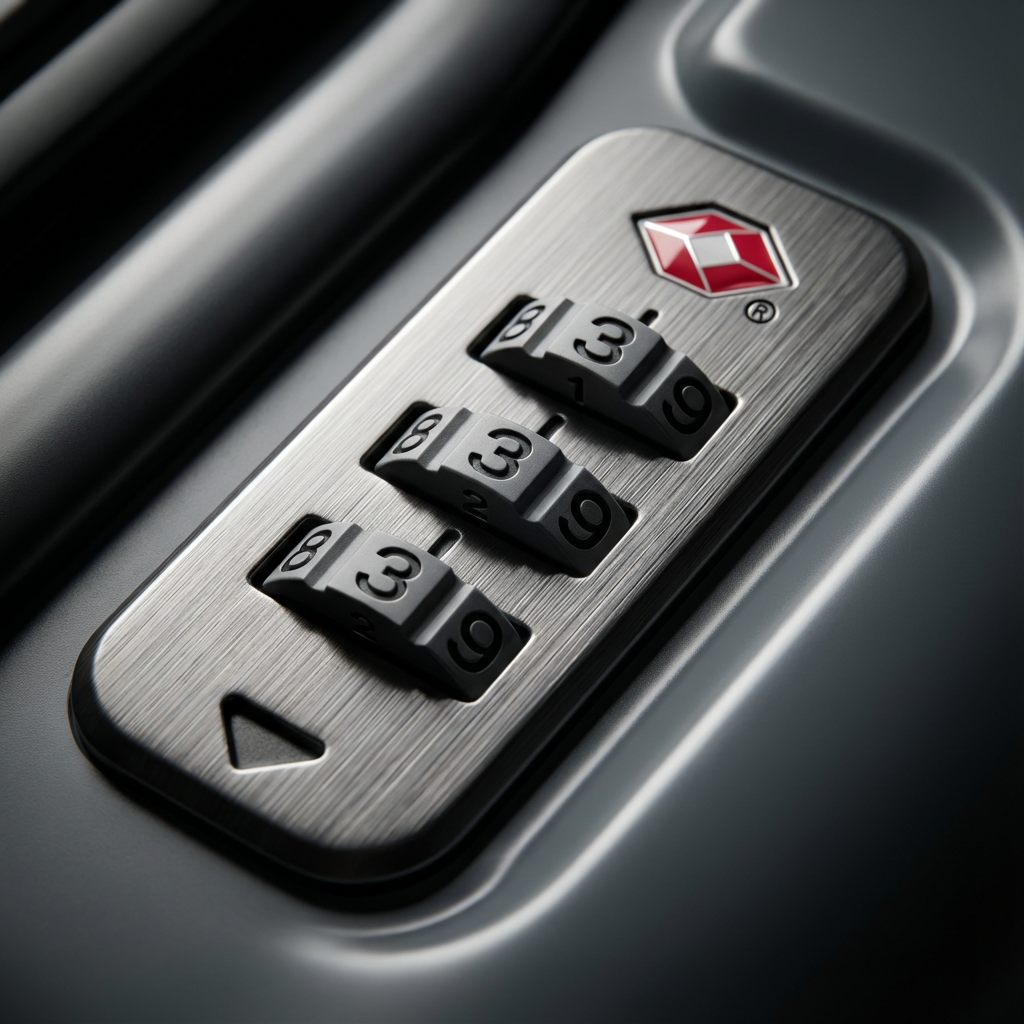
Airport Security
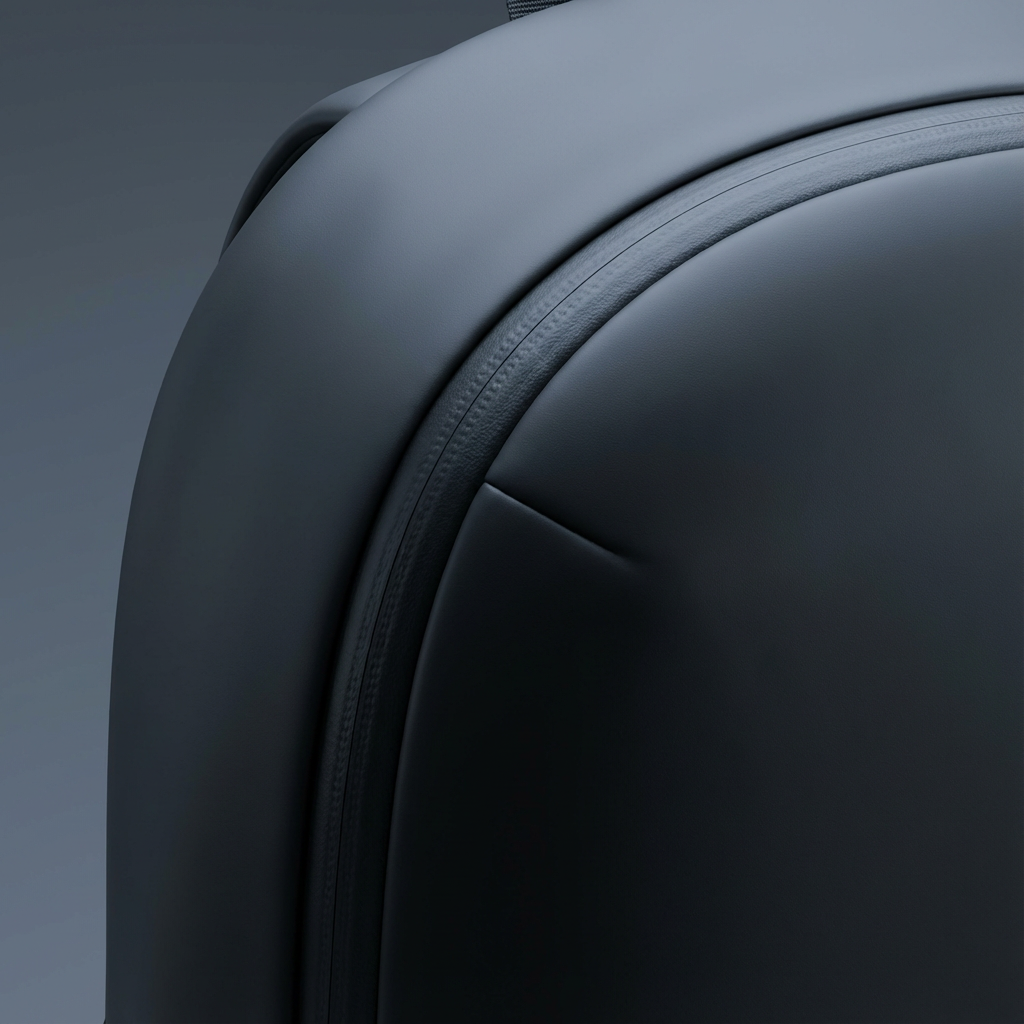
Sleek Urban
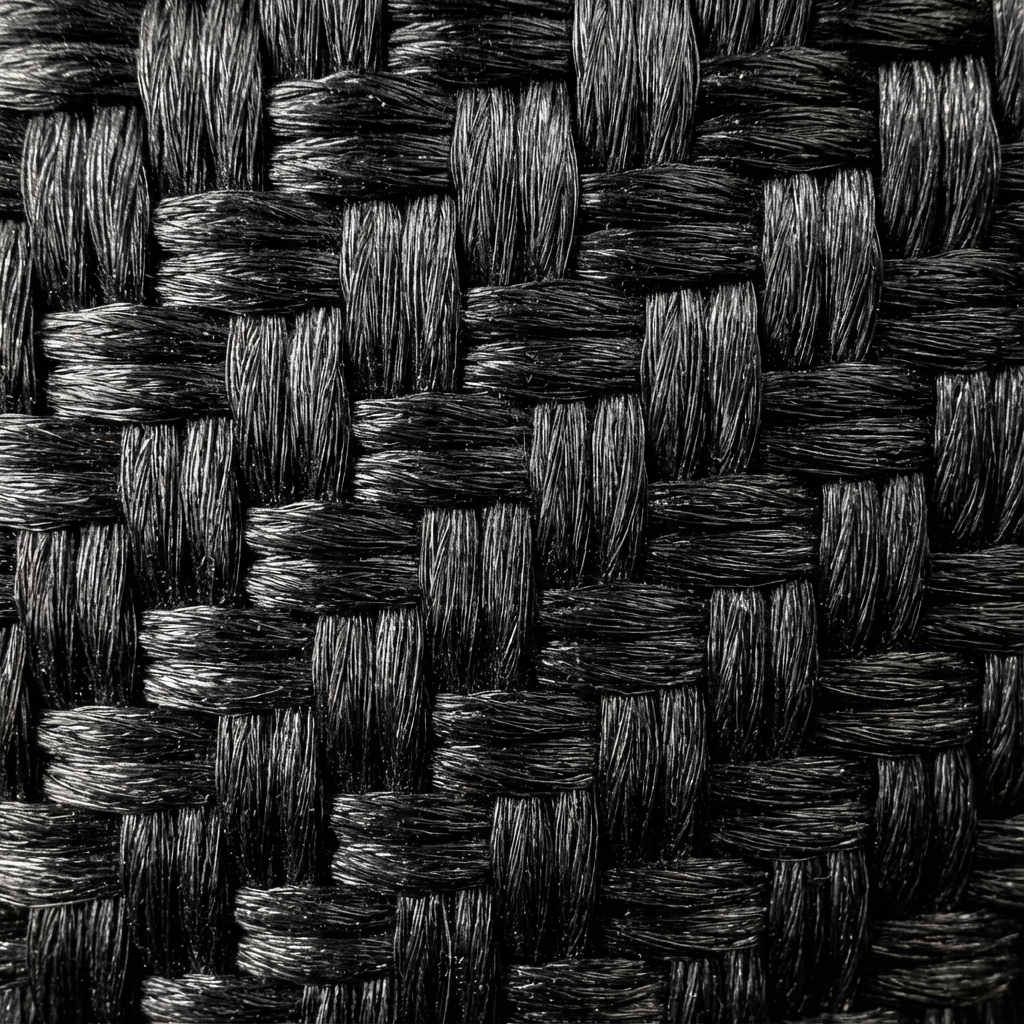
1680D Ballistic Nylon Exterior
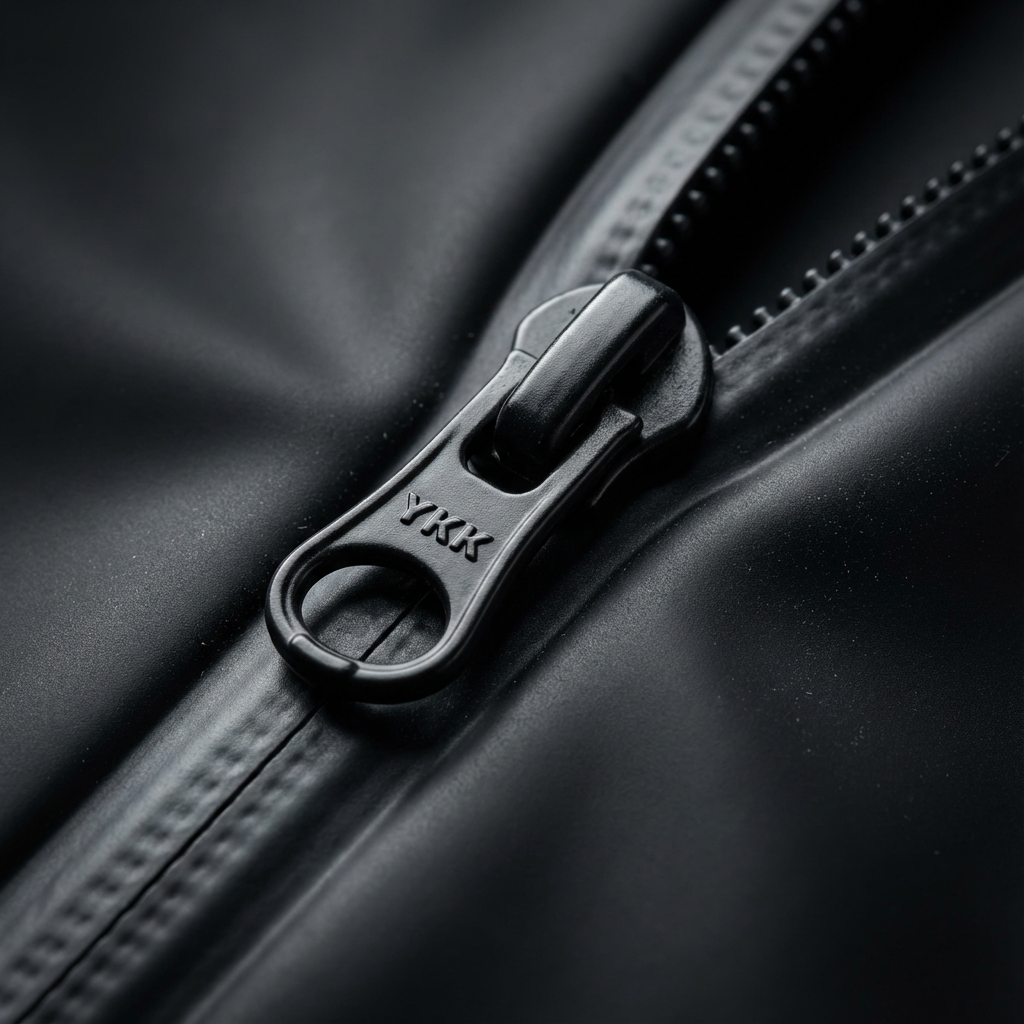
YKK AquaGuard Zippers

Padded 16-inch Laptop Sleeve
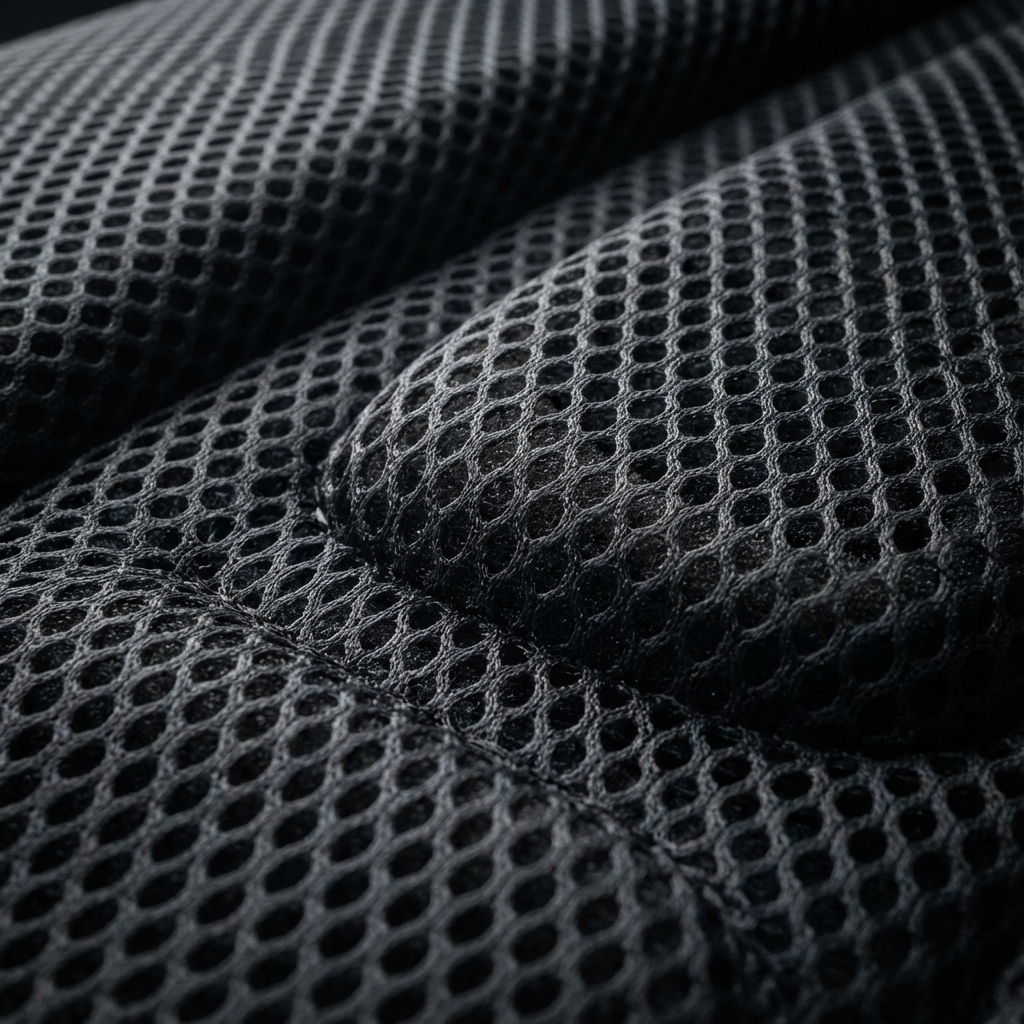
Ergonomic Air-Mesh Back Panel

High-Density Foam Straps
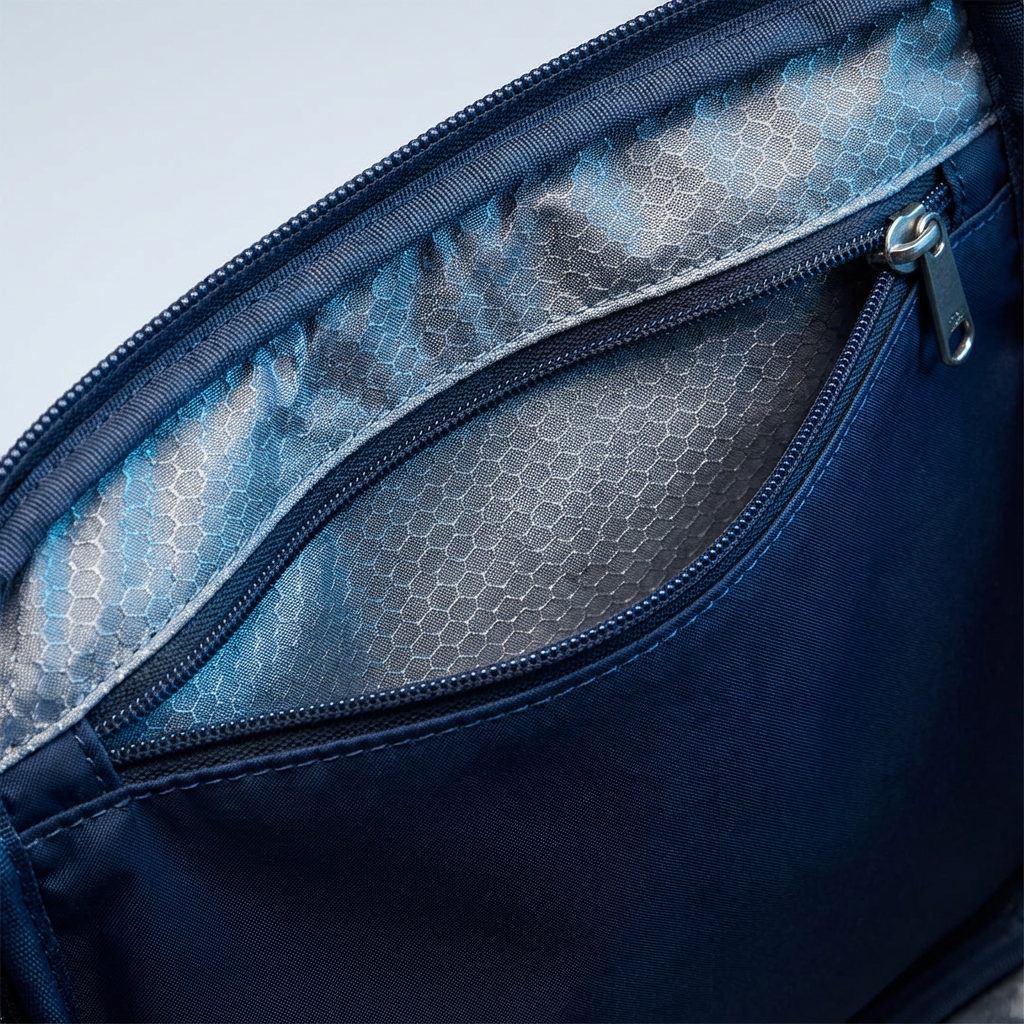
Hidden RFID-Blocking Pocket
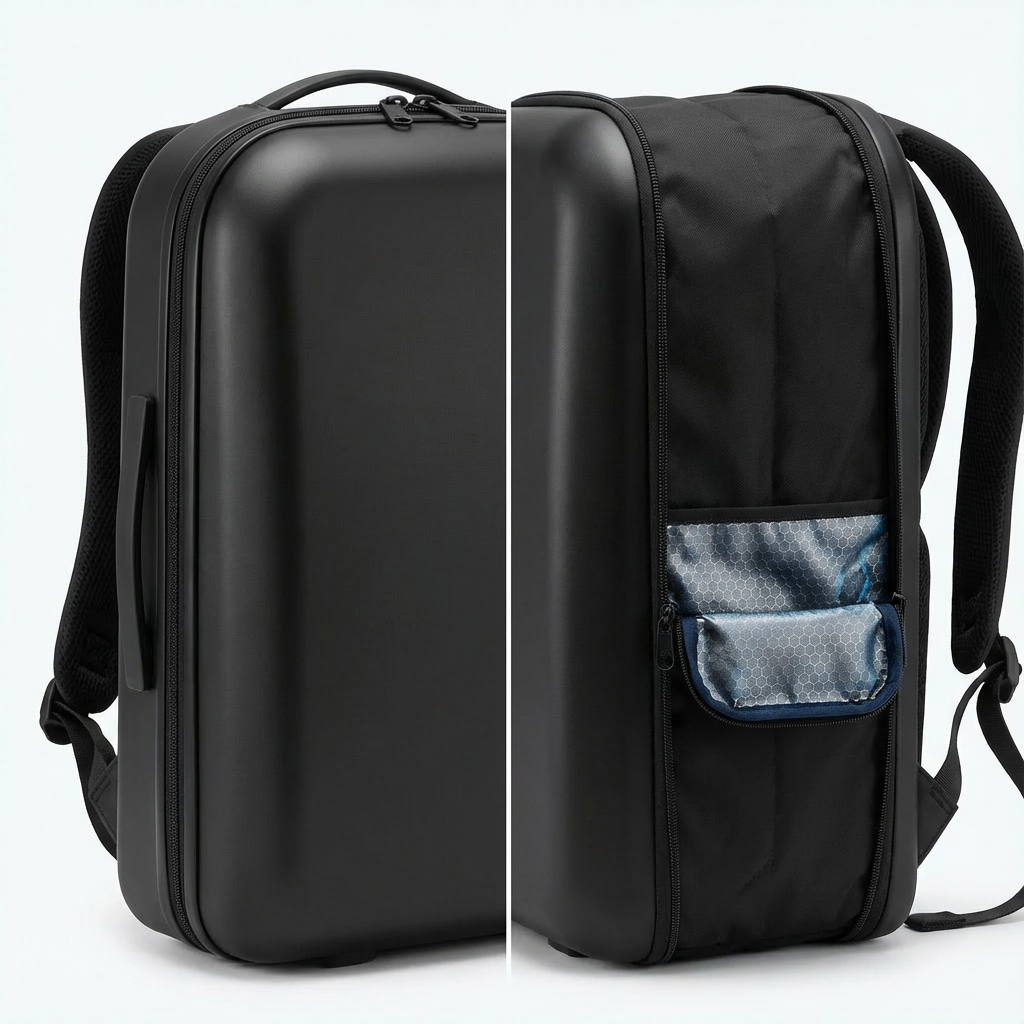
Expandable Main Compartment
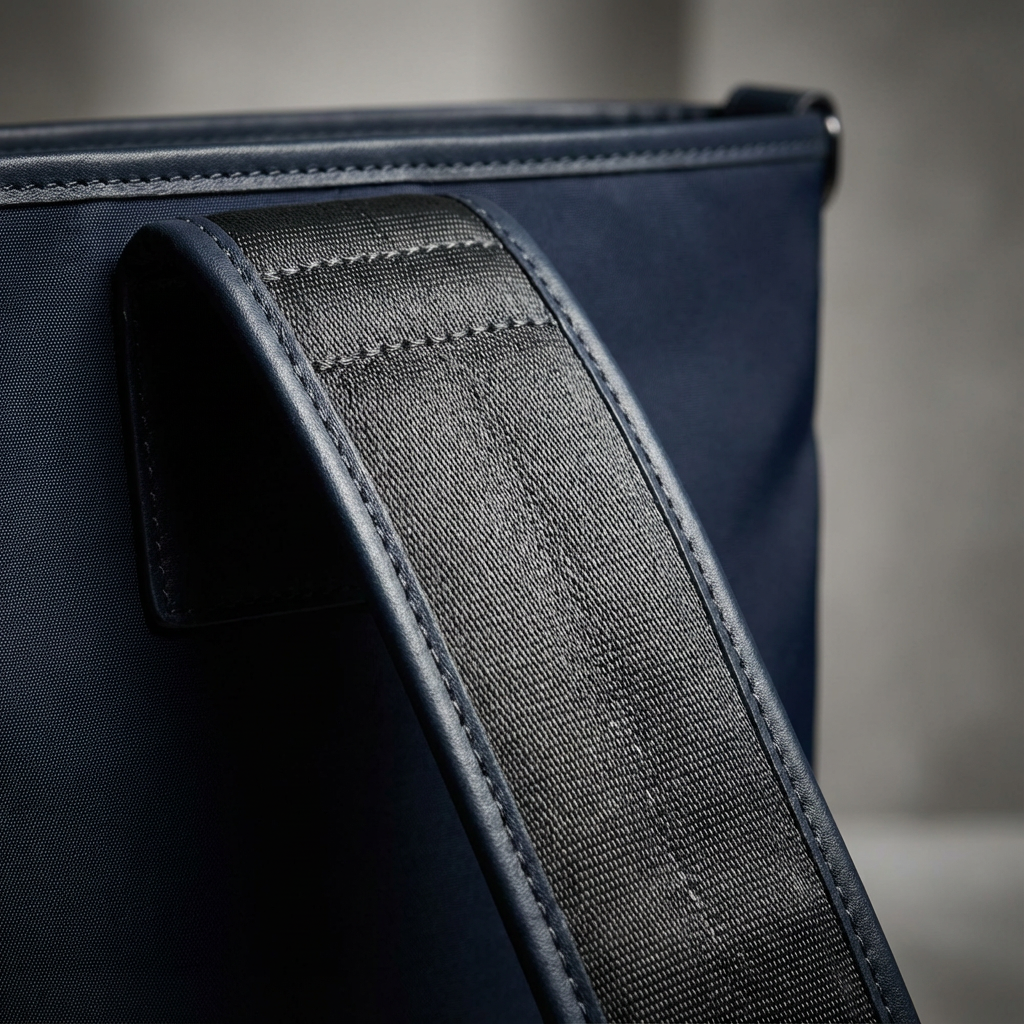
Luggage Pass-Through Strap

Dual Side Water Bottle Pockets
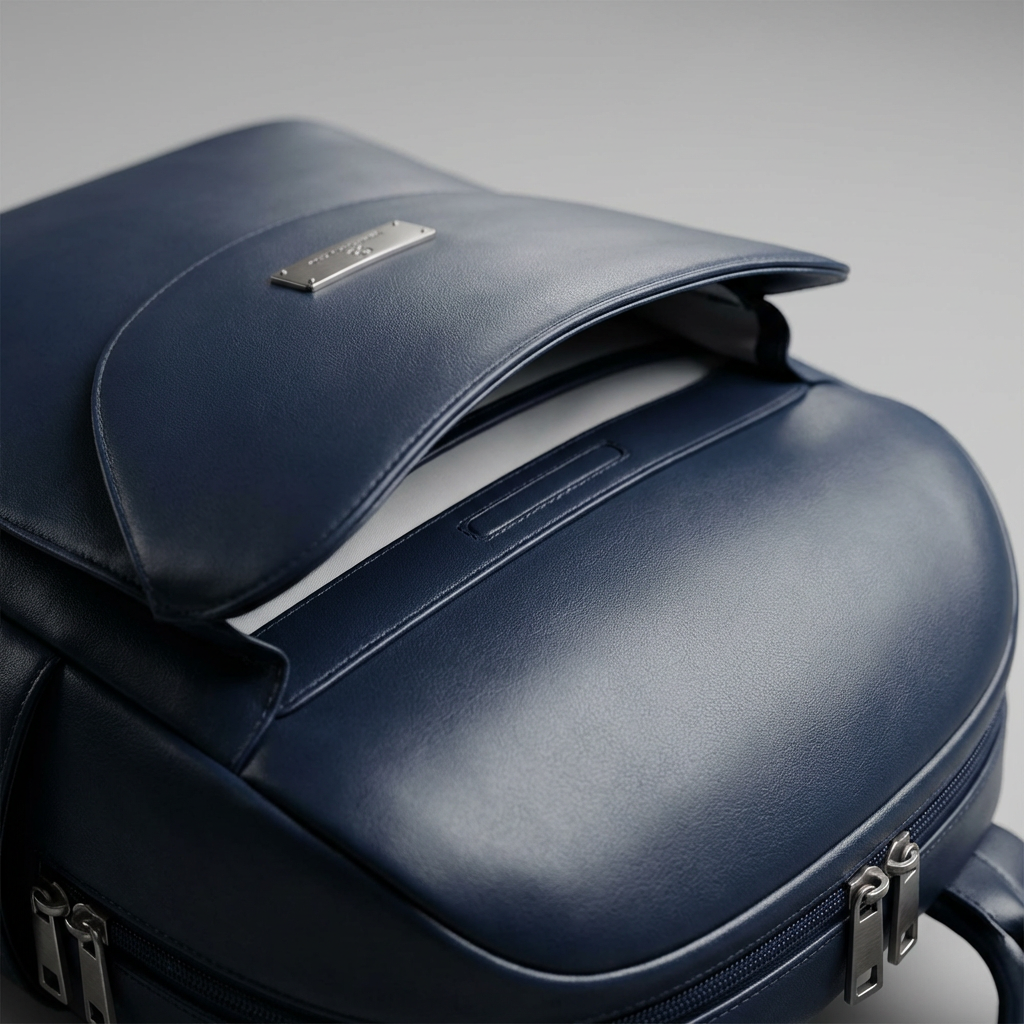
Quick-Access Magnetic Front Flap

Internal Key Leash Clip
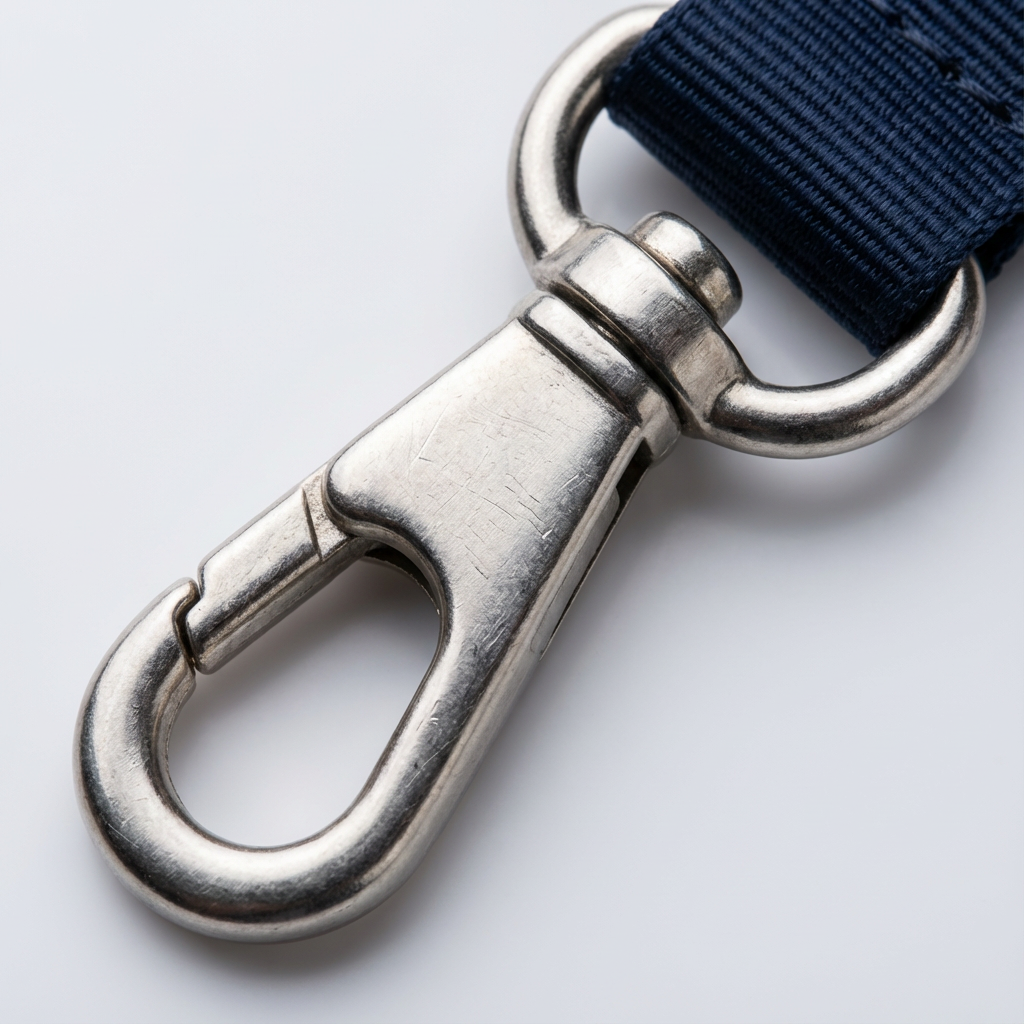
Internal Key Leash Clip
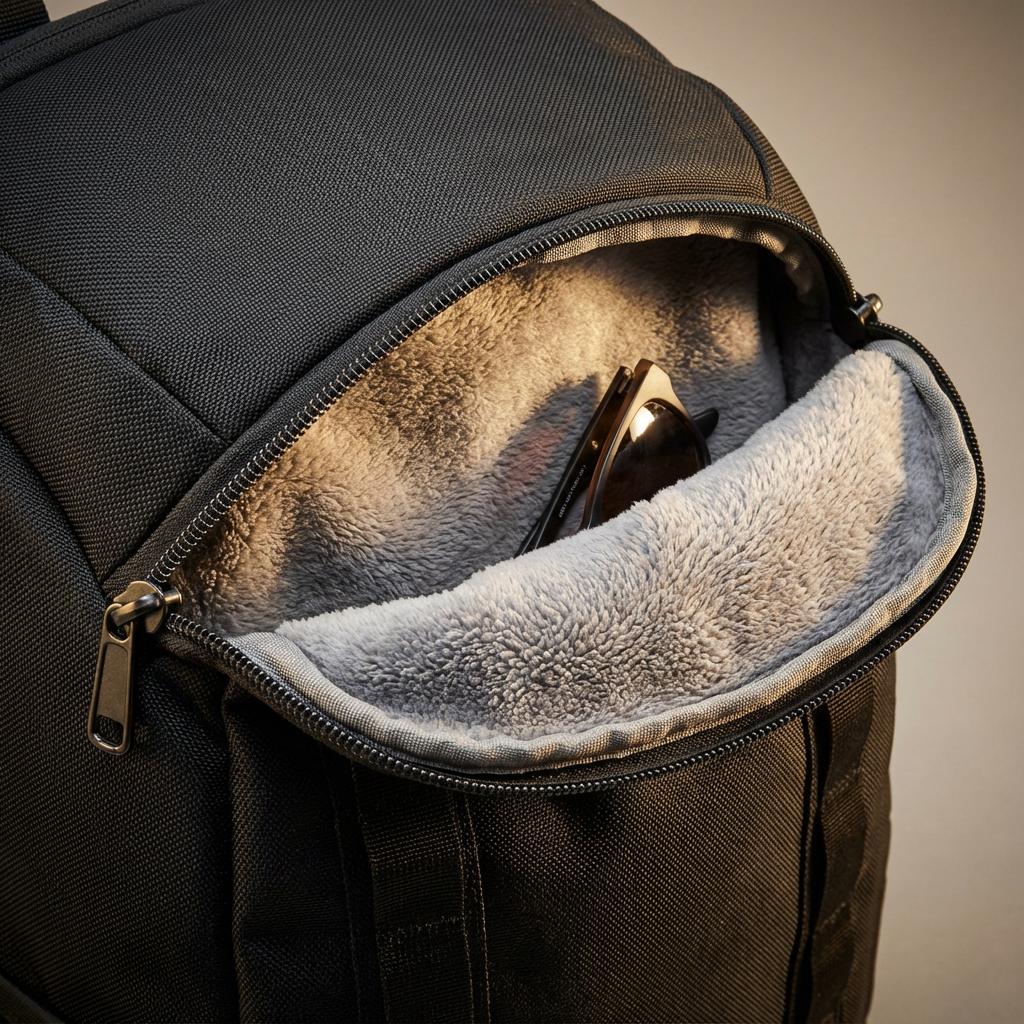
Fleece-Lined Sunglasses Pocket

Adjustable Sternum Strap
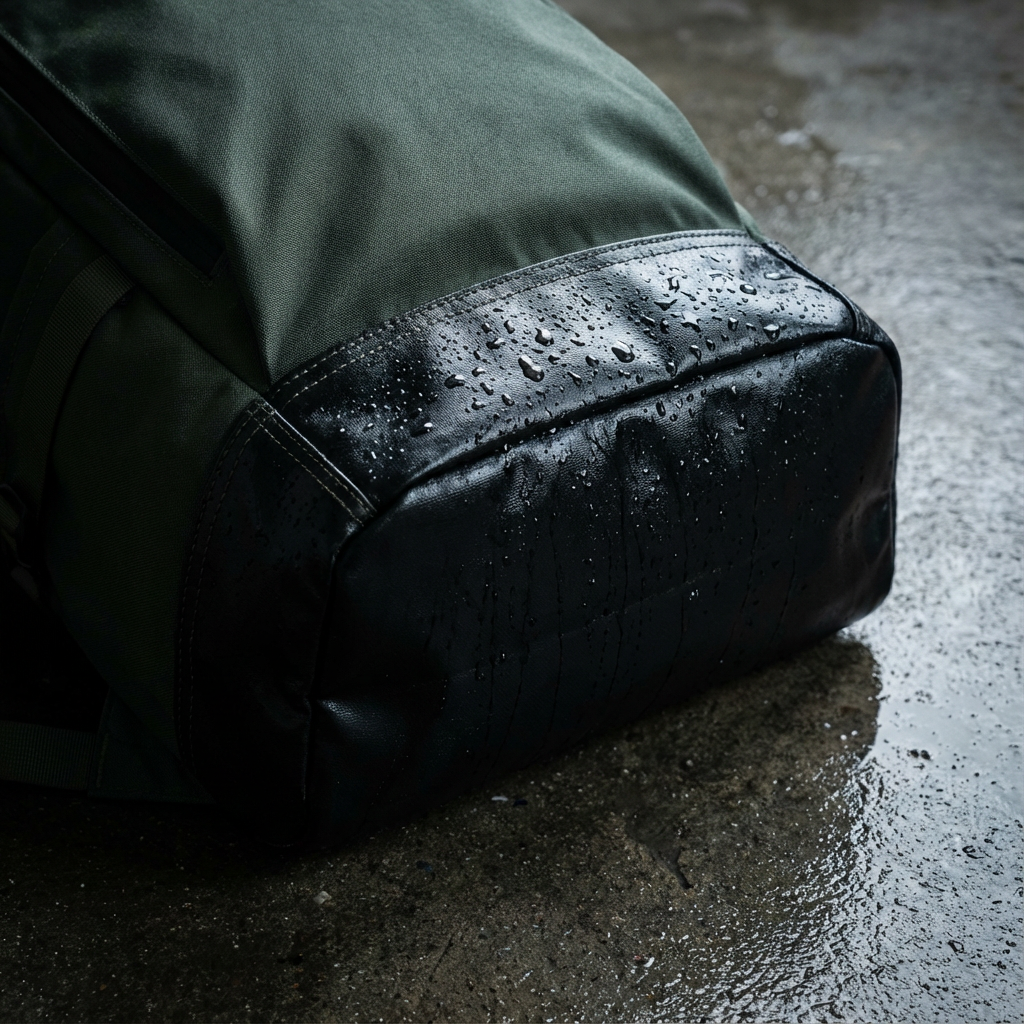
Water-Resistant Bottom Panel
Custom Backpack Printing Styles: A Complete Guide
Your brand’s visibility depends entirely on how well your logo stands out on the final product. As a specialist in Backpack manufacturing, we know that choosing the right application method is just as important as selecting the fabric itself. The right choice ensures your design looks premium and lasts for years of daily use.

Silk Screen Printing
- Ideal For: High-volume Backpack orders and simple vector logos.
- The Process: Ink is pushed through a mesh stencil directly onto the fabric panels. It creates a crisp, bold layer of color that sits on top of the material.
- Cost & MOQ: Low Unit Cost. This is the most economical choice for bulk orders (500+ pieces) because the setup fees are spread over many items.
- Buyer’s Pro-Tip: This is the industry standard for canvas and nylon. However, avoid placing prints over zippers or thick seams on the Backpack, as the ink can crack over uneven surfaces.

Heat Transfer Printing
- Ideal For: Colorful Backpack designs, gradients, and photo-realistic art.
- The Process: A digital image is printed onto a carrier paper and then fused to the material using high heat and pressure.
- Cost & MOQ: Medium Cost. Setup is minimal, making it affordable for smaller batches, though the per-unit price is higher than Silk screen printing.
- Buyer’s Pro-Tip: Ensure the factory uses high-quality adhesive. Since this item often faces friction and movement, cheap transfers can peel off the gear after a few months.

Sublimation Printing
- Ideal For: All-over print Backpack styles and polyester fabrics.
- The Process: Special ink turns into gas under heat, dyeing the actual fibers of the material. The design becomes part of the weave rather than sitting on top.
- Cost & MOQ: Medium to High. It requires a white polyester base but allows for unlimited colors and edge-to-edge patterns.
- Buyer’s Pro-Tip: This is the most durable option for patterns. The print will not crack or fade, even when the Backpack is stuffed full and stretched.

Embroidery
- Ideal For: Premium Backpack branding and corporate gifts.
- The Process: Computerized machines stitch colored threads directly into the front panel or pocket, creating a textured, 3D effect.
- Cost & MOQ: High Unit Cost. Pricing depends on stitch count (density) rather than color count. It adds significant value to the item.
- Buyer’s Pro-Tip: Be careful with waterproofing. The needles puncture the fabric, so this method is not recommended for a waterproof Backpack unless the seams are sealed afterward.

Rubber Patch
- Ideal For: Outdoor Backpack lines, tactical gear, and sporty aesthetics.
- The Process: Liquid rubber is poured into a mold to create a durable, raised logo patch, which is then sewn onto the exterior.
- Cost & MOQ: Medium Cost. There is an upfront mold fee, but the unit cost is reasonable for re-orders.
- Buyer’s Pro-Tip: This is excellent for rough environments. Mud and rain wash right off the logo, keeping the brand visible on the Backpack in all weather conditions.

Embossing
- Ideal For: PU Leather Backpack models and minimalist luxury styles.
- The Process: A heated metal die presses the logo into the surface, creating a sunken, subtle relief effect.
- Cost & MOQ: Low Unit Cost (after mold fee). It adds no ink or thread costs.
- Buyer’s Pro-Tip: Visibility depends on lighting. If you need the brand to be seen from a distance, this might be too subtle for the bag.
| Technique | Durability | Cost Level | Best Surface |
|---|---|---|---|
| Silk Screen Printing | High | Low ($) | Nylon, Canvas, Polyester |
| Heat Transfer | Medium | Medium ($$) | Complex Art, Gradients |
| Sublimation | Extreme | Medium ($$) | 100% Polyester |
| Embroidery | Very High | High ($$$) | Heavy Duty Fabrics |
| Rubber Patch | Extreme | Medium ($$) | Outdoor/Tactical Gear |
| Embossing | High | Low ($) | PU Leather, Leather |
Embroidery and Sublimation are the most durable. Embroidery is physically stitched into the gear, while sublimation chemically bonds with the fibers, meaning neither will scratch off over time.
Most inks are water-resistant, but they are not fully waterproof. If the item will be used in heavy rain or mud, a PVC (Rubber) patch is the best choice as it does not absorb water or fade.
Heat transfer is the winner here. It captures gradients, shadows, and fine details that screens and threads simply cannot replicate on a textured surface.
Why Choose Loomibag as Your Backpack Manufacturer?
With over two decades of specialized experience, Loomibag has mastered the complex assembly and ergonomic engineering required for high-performance daypacks and rucksacks. We are the Backpack Manufacturer of choice for international brands seeking durability, innovative design, and consistent production quality.
Our facility is equipped with automated laser-cutting systems and over 10 production lines dedicated solely to complex bag assembly. This infrastructure allows us to effortlessly manage high-volume "Back-to-School" and holiday peak season orders, ensuring your Backpack Manufacturer delivers fully stocked shipments exactly when your retail timeline demands.
We go beyond basic visual checks by subjecting our packs to rigorous load-bearing and strap jerk testing (up to 20kg+ depending on specs) to simulate years of heavy daily use. Adhering to strict AQL 2.5 standards, we verify that every zipper runs smoothly and every stress point is reinforced with bar-tacking, guaranteeing your customers receive a defect-free product.
Designing a comfortable backpack requires engineering, not just sewing. Our R&D team assists with ergonomic pattern making, selecting the right density foam for shoulder straps, and designing breathable air-mesh back panels. We turn your rough sketches into fully functional, weight-distributing prototypes that are ready for mass production.
As a responsible Backpack Manufacturer, we ensure all materials—from nylon fabrics to PU coatings—comply with REACH and CA Prop 65 standards for chemical safety. We also offer GRS-certified RPET options, allowing you to market eco-friendly backpacks made from recycled plastic bottles without compromising on fabric strength or water resistance.
Located in the heart of China’s luggage industrial cluster, we have direct access to premium suppliers of webbing, buckles, and zippers at wholesale rates. This proximity allows us to source high-quality components faster and cheaper than competitors, passing those savings directly to your bottom line while maintaining premium build quality.
Backpack production involves complex tech packs and multiple material layers. Our dedicated project managers act as an extension of your team, providing 24/7 updates and expert advice on material substitutions to keep your project on budget. We build long-term partnerships based on transparency and a deep technical understanding of the backpack sector.
Trusted by the World's Best Backpack Brands
We apply the same rigorous manufacturing standards to your backpacks as we do for our established partners.


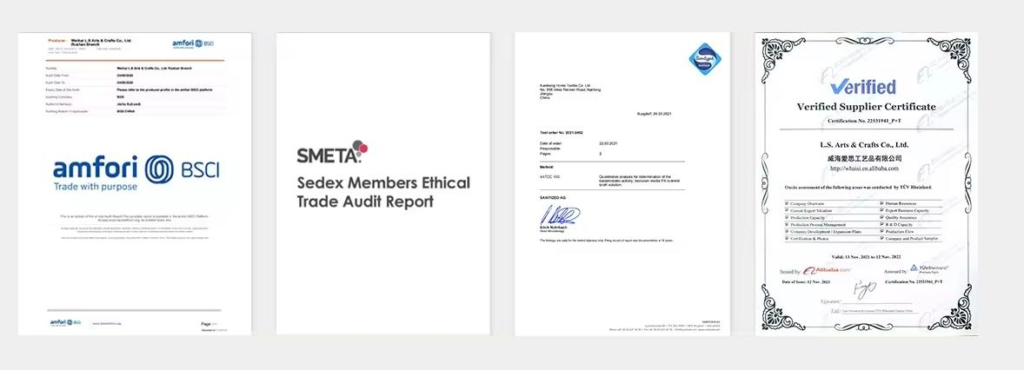
Certificate
e apply the same rigorous manufacturing standards to your backpacks as we do for our established partners.
- Established:2011
- Area:7500㎡,Workers:315
- Main products:All kinds of outdoor bag, funtional bag,,
- Certificate: BSCI、Sedex、SCS、C-TPAT
OEM Workflow: Bringing Your Custom Backpack to Life
We believe that great quality starts long before the final inspection, which is why we monitor every stage of production. From the first stitch to the final pack, our team ensures your custom rucksacks are built to last.

We start by listening to your specific needs. Whether you need a simple school bag or a complex hiking pack, our team discusses your design, budget, and timeline to ensure we are on the same page.

Before mass production begins, we bring your vision to reality. We create a physical pre-production sample of the backpack so you can test the fit, pockets, and overall look to ensure it matches your expectations perfectly.

Great bags start with great components. We source high-quality fabrics like durable nylon or polyester, along with strong zippers and buckles, ensuring every part of your backpack is built to last.

Accuracy is key to a well-structured bag. We use precise cutting technology to slice the fabric panels, ensuring that every piece of the backpack fits together seamlessly during assembly.

Once materials are ready, our skilled technicians take over. They carefully stitch and assemble the panels on our production line, turning cut fabric into a fully functional backpack ready for the real world.

We don’t leave quality to chance. Every unit undergoes strict testing, including load-bearing tests for the straps and durability checks for the zippers, to guarantee the backpack can handle heavy daily use.

Presentation and protection matter. We carefully pack each item to protect it from dust and moisture, ensuring your order arrives clean, organized, and ready for retail display.

Once packed, your order is moved to our secure warehouse. We handle the logistics and coordinate with shipping partners to ensure your shipment of backpacks is delivered on time, anywhere in the world.

Our job isn’t done when the goods leave our factory. We stay in touch to ensure you are happy with the delivery and to gather feedback, helping us support your business growth for the long term.

Affordable Wholesale Backpacks: Ready to Ship
Stop searching for reliable inventory. We specialize in high-value backpacks that balance durability with competitive pricing. Unlike generic suppliers, we inspect every unit before it enters our warehouse.
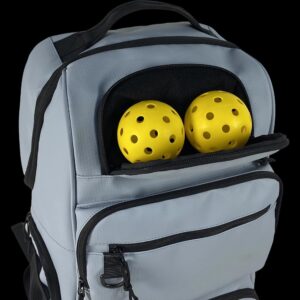
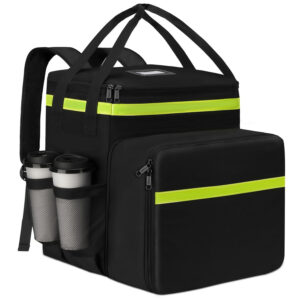
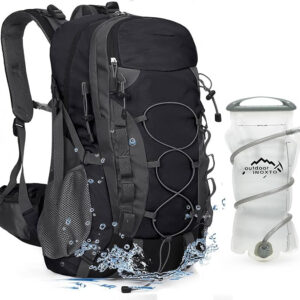
Precision-Engineered Commuter Backpacks: OEM Solutions for Tech Protection & Durability
Sourcing backpacks carries a significant risk: a single ripped strap or jammed zipper can lead to costly returns and permanent damage to your brand’s reputation. You need a manufacturing partner who understands that a backpack is not just a bag, but a protective vessel for expensive electronics. We prioritize reinforced stress points, premium hardware integration, and rigorous load-testing to ensure your product survives the daily urban grind.
● 01. LOAD-BEARING INTEGRITY & STITCH REINFORCEMENT
How do you prevent shoulder strap failure when the backpack is fully loaded?
Strap failure is the number one reason for product returns. To prevent this, we do not rely on standard single-stitching at stress points. We utilize “Bartack” stitching—a specialized, high-density zigzag pattern—at the connection where the strap meets the bag body. Furthermore, we subject our prototypes to a “Jerk Test,” where the bag is loaded with 20kg and lifted/dropped 500 times to ensure the thread does not snap under sudden force.
What materials do you recommend for the base panel to prevent abrasion holes?
The bottom of a backpack is in constant contact with rough surfaces like concrete and asphalt. Standard 600D Polyester often wears through quickly. We recommend reinforcing the base panel with 1680D Ballistic Nylon or a TPU-coated Tarpaulin. These materials have a much higher abrasion resistance rating, ensuring the bag does not develop holes even after years of being set down on the ground.
● 02. ZIPPER PERFORMANCE & HARDWARE SPECS
How do you ensure zippers won't split or jam after a few months of use?
A zipper failure renders the entire bag useless. We primarily source from industry leaders like YKK or SBS to guarantee smooth operation. For the main compartments, we specify RC (Racquet Coil) zippers, which are designed to resist abrasion and are “self-repairing”—meaning if the teeth separate, simply unzipping and re-zipping fixes the alignment. We test these zippers for 5,000+ open/close cycles before mass production.
Do your plastic buckles become brittle and snap in cold weather?
Cheap Polypropylene (PP) buckles often crack in freezing temperatures. We use POM (Polyoxymethylene), also known as Acetal, for all clips and adjusters. POM is an engineering thermoplastic that retains high stiffness and low friction even in sub-zero environments, ensuring your customers’ buckles won’t snap during a winter commute.
● 03. IMPACT PROTECTION & DEVICE SAFETY
What specific padding density is used to protect laptops from corner impact?
Soft, open-cell foam is insufficient for protecting heavy laptops. We utilize High-Density EVA Foam, which absorbs shock rather than compressing flat. Crucially, we engineer a “False Bottom” (or suspended sleeve) design. This stops the laptop pocket 2cm above the bottom of the bag, ensuring the device never hits the ground when the user drops the bag.
How do you test the fabric to ensure electronics stay dry in the rain?
We do not just rely on the fabric’s thickness. We apply a DWR (Durable Water Repellent) coating to the exterior shell. We verify this using a Spray Test (ISO 4920) to ensure water beads off the surface rather than soaking in. For the interior lining, we use a PU (Polyurethane) backing to create a secondary barrier against moisture ingress.
● 04. ERGONOMIC DESIGN & USER COMFORT
How does the back panel design prevent excessive sweating for the user?
A flat back panel traps heat. We utilize a 3D Air Mesh construction combined with a central air channel. The 3D mesh creates a physical gap between the user’s back and the bag body, allowing air to circulate freely. This reduces perspiration build-up and improves comfort during long commutes.
How do you design the harness system to prevent neck strain?
Straight straps cut into the neck and restrict blood flow. We cut our shoulder straps in an anatomical “S-Curve” shape. This contours around the user’s chest and shoulders, distributing the weight evenly across the torso rather than focusing the load on the neck muscles. We also use dual-density foam: firm foam on top for structure, and soft foam against the body for comfort.
Reliable Quality, Affordable Price, Fast Delivery and Full Customization. The direct manufacturer in China.
Our products wholesale can be easy. Loomibag has helped customers in more than 30 countries to be successful and earn good profits. We also welcome you to become an exclusive distributor in your country.After signing the agreement, we will not wholesale any more products to your country or region, your orders will be processed and shipped first, and we will execute your custom bag’ design after you send us the first time. Click the buttons below, and let’s grow your brand together.
 English
  Turkish
  German
  Dutch
Dutch  French
  Danish
  Finnish
  Swedish
  Italian
  Polish
  Portuguese
  Spanish