Bezpośredni producent i dostawca wodoodpornych toreb z Chin
Zamawiaj najwyższej jakości wodoodporny sprzęt bezpośrednio z wyspecjalizowanej fabryki produkującej wodoodporne torby. Oferujemy konkurencyjne ceny fabryczne, opcje sprzedaży hurtowej w dużych ilościach oraz gwarancję jakości potwierdzoną testami szczelności 100%.
Zapoznaj się z naszymi kolekcjami toreb wodoodpornych
Odkryj szeroką gamę sprzętu outdoorowego produkowanego przez naszą fabrykę wodoodpornych toreb. Od wytrzymałych rur wodoodpornych po lekkie plecaki podróżne — przejrzyj nasze kategorie, aby znaleźć idealną podstawę do swojego kolejnego zamówienia na miarę.
plecak na zamówienie
torba na klatkę piersiową na zamówienie
- torba na klatkę piersiową dla mężczyzn
- torba na klatkę piersiową dla kobiet
- Taktyczna torba na klatkę piersiową
- Torba na klatkę piersiową typu sling
- torba na ramię noszona na klatce piersiowej
- Saszetka na talię
- Skórzana torba na klatkę piersiową
- Markowa torba na klatkę piersiową
- Torba podróżna na klatkę piersiową
- sportowa torba na klatkę piersiową
- wojskowa taktyczna torba na klatkę piersiową
- torba na klatkę piersiową do użytku na świeżym powietrzu
torba na ramię na zamówienie
Torba typu messenger na zamówienie
- Torba typu messenger dla mężczyzn
- Torba listonoszka z płótna
- Torby typu messenger dla kobiet
- Torba typu messenger na laptopa
- Torba typu messenger do szkoły
- Torba kurierska na rower
- Mała torba typu messenger
- Torba listonoszka noszona na skos
- Duża torba typu messenger
- Czarna torba kurierska
- Torba kurierska w stylu vintage
- Taktyczna torba typu messenger
torba podróżna na zamówienie
- torba podróżna typu duffel
- torba sportowa
- torba sportowa
- wodoodporna torba podróżna
- torba kempingowa typu duffel
- torba podróżna na kółkach
- torba podróżna typu duffel
- torba podróżna plecak
- torba podróżna na ubrania
- torba podróżna, którą można złożyć
- torby podróżne dla mężczyzn
- torby podróżne dla kobiet
- płócienna torba podróżna
- wojskowa torba podróżna
- torba podróżna w stylu vintage
torba wodoodporna na zamówienie
- Wodoodporne torby podróżne
- Wodoodporne torby plażowe i torby typu tote
- Wodoodporne worki na rzeczy suche
- Wodoodporne torby na telefony i aparaty fotograficzne
- Wodoodporne torby na ramię i torby typu sling
- Wodoodporne torby na łódź
- Wodoodporne torby podróżne
- Wodoodporne torby na pasek
- Wodoodporne kosmetyczki
- Wodoodporne torby na narzędzia
- Wodoodporne torby rowerowe
- Wodoodporne torby wędkarskie
torba podróżna na zamówienie
- torba podróżna na weekend
- torba na ramię na podróże
- kosmetyczka podróżna
- torby podróżne na sprzęt golfowy
- torba podróżna typu „foldie”
- fotelik samochodowy podróżny z torbą
- torba podróżna typu duffel
- torba podróżna
- torby na ubrania na podróż
- torba podróżna dla psa
- torba podróżna na narty
- torby kompresyjne na podróże
torba taktyczna na zamówienie
- Paski taktyczne i torby EDC
- Torby taktyczne i torby wyprawowe
- Tor strzelecki do pistoletów i torby na sprzęt strzelecki
- Futerały na karabiny i torby transportowe
- Plecaki taktyczne i torby ewakuacyjne
- Taktyczne torby typu messenger i torby na laptopy
- Taktyczne torby na pieluchy dla tatów
- Torba medyczna i ratownicza
- Paski na klatkę piersiową i saszetki biodrowe
- Taktyczne torby na lunch i torby termoizolacyjne
- Sprzęt policyjny i służb porządkowych
- Akcesoria taktyczne i pokrowce
Plecak turystyczny na zamówienie
- torby dzienne na wędrówki
- worki na wodę do wędrówek
- wodoodporne plecaki turystyczne
- duży plecak turystyczny
- turystyczna torba na ramię
- saszetka turystyczna
- torba turystyczna
- wodoodporne torby turystyczne
- torba na aparat do wędrówek
- torba turystyczna dla psa
- torba na pieluchy do wędrówek
- torba z sznurkiem na wędrówki
Torba wędkarska na zamówienie
- torba na sprzęt wędkarski
- torba termoizolacyjna na ryby
- torba na wędkę
- wodoodporna torba wędkarska
- torba na sprzęt do wędkarstwa muchowego
- plecak na sprzęt wędkarski
- torba na ryby do kajaka
- torba do wędkowania z plaży
- torba na przynęty wędkarskie
- torby do przewozu ryb
- torba na pieluchy do wędrówek
- torba na sprzęt wędkarski
torba na deskę surfingową na zamówienie
- wodoodporna torba na deskę surfingową
- torba podróżna na deskę surfingową
- torba na deskę surfingową na co dzień
- torba na deskę surfingową w kształcie trumny
- torba na deskę surfingową z kółkami
- torba na deskę surfingową typu longboard
- torba na dwie deski surfingowe
- twarda torba na deskę surfingową
- torba na deskę surfingową z motywem ryb
- torba na deskę surfingową
- torba na nadmuchiwaną deskę surfingową
- płócienna torba na deskę surfingową
Torba rowerowa na zamówienie
- torba rowerowa
- torba na ramę rowerową
- torba na kierownicę rowerową
- torby na siodełko rowerowe
- torby i walizki na rowery
- torba na jedzenie do roweru
- torby do rowerów elektrycznych
- torba na sprzęt do motocykli terenowych
- wodoodporna torba rowerowa
- torba kurierska na rower
- torba na rower montowana na górnej rurze
- torba na rower Brompton
torba na narzędzia na zamówienie
- torba na narzędzia na kółkach
- plecak na narzędzia
- Torby na narzędzia z otwartą górą
- Torby na narzędzia
- Torby narzędziowe typu „bucket”
- Torby na narzędzia dla elektryków
- Torby na narzędzia do systemów HVAC
- Torby na narzędzia stolarskie i budowlane
- Torby na narzędzia z płótna
- Torby na narzędzia o zwiększonej wytrzymałości
- Torby na narzędzia ogrodnicze
- Torby na narzędzia dla hydraulików i mechaników
torba termoizolacyjna na zamówienie
- Torby transportowe Cool Store
- Torby termoizolacyjne na sprzęt golfowy
- Torba termoizolacyjna na ryby
- Torba termoizolacyjna na mleko matki
- Torba termoizolacyjna na zakupy spożywcze
- Torba termoizolacyjna na plażę
- Torba termoizolacyjna typu plecak
- Torba na zakupy z chłodnicą
- Torby termoizolacyjne na lunch
- Miękkie torby termoizolacyjne
- Torba termoizolacyjna na kółkach
- Wodoodporna torba termoizolacyjna
Torba na lunch na zamówienie
Torba na sprzęt Mackup na zamówienie
torba myśliwska na zamówienie
- plecaki myśliwskie
- torba na czatownię do polowania na kaczki
- polowanie na worki z mięsem
- torba na pasek do polowania
- torba na lornetkę myśliwską
- torba na strzelbę myśliwską
- torby podróżne do polowań
- torba myśliwska do polowań w górach
- torba na polowanie na indyki
- torba na amunicję myśliwską
- taktyczna torba myśliwska
- wodoodporna torba myśliwska
torba na siłownię na zamówienie
- Torba sportowa na siłownię
- Plecak sportowy
- Torba na siłownię
- Torba sportowa ze sznurkiem
- Torba na siłownię z przegrodą na buty
- Torba na siłownię z przegrodą na laptopa
- Wodoodporna torba na siłownię
- Torba na siłownię z uchwytem na matę do jogi
- Torba na siłownię i boks
- Taktyczna torba na siłownię
- Skórzana torba na siłownię
- Mała torba na siłownię
torba na narty na zamówienie
- Torba na narty z kółkami
- Torba na buty narciarskie
- Podwójna torba na narty
- Wyściełana torba na narty
- Torba na narty z twardą powłoką
- Torba na narty i deskę snowboardową
- Plecak na buty narciarskie
- Torba na buty narciarskie i kask
- Torba na narty biegowe
- Torba na buty narciarskie z ogrzewaniem
- Torba podróżna na narty
- Torba narciarska typu duffel
spersonalizowana torba do przewozu zwierząt
- Transporter dla psów zatwierdzony przez linie lotnicze
- Miękka torba do przewożenia zwierząt
- Sztywna torba transportowa dla zwierząt
- Składana torba do przewożenia zwierząt
- Transporter dla psów na kółkach
- Plecaki dla psów
- Kieszeń do przewożenia psa w samochodzie
- Rozkładana torba transportowa dla zwierząt
- Wózek dla zwierząt z odłączaną klatką transportową
- Torba dla dużych psów
- Nosidełko dla psa
- Siatkowa torba do przewożenia zwierząt
torba na pieluchy na zamówienie
- Ergonomiczne plecaki na pieluchy
- Seria taktycznych toreb na pieluchy
- Wegańskie torby dla niemowląt ze skóry ekologicznej
- Torby podróżne i torby na noc z miejscem na pieluchy
- Ekologiczne torby na pieluchy (GRS)
- Zestawy dla rodziców o charakterze neutralnym pod względem płci
- Modne torby na pieluchy dla kobiet
- Torby na pieluchy typu „3 w 1”
- Uniwersalne organizery do wózków dziecięcych i spacerówek
- Torby do przewożenia niemowląt typu messenger i satchel
- Wodoodporne torby dla niemowląt z nylonu
- Przenośne torebki do przewijania niemowląt
Torba golfowa na zamówienie
Pobierz próbkę
Przed zakupem sprawdź jakość

Wodoodporne torby podróżne

Wodoodporne torby na telefony i aparaty fotograficzne

Wodoodporne torby podróżne

Wodoodporne torby na narzędzia

Wodoodporne torby plażowe i torby typu tote

Wodoodporne torby na ramię i torby typu sling

Wodoodporne torby na pasek

Wodoodporne torby rowerowe

Wodoodporne worki na rzeczy suche

Wodoodporne torby na łódź

Wodoodporne kosmetyczki

Wodoodporne torby wędkarskie
Przewodnik po materiałach: PVC, TPU i plandeka 500D
Nie wiesz, jaki materiał najlepiej sprawdzi się na Twoim rynku? Jako fabryka specjalizująca się w produkcji wodoodpornych toreb, pomożemy Ci zapoznać się z zaletami i wadami poszczególnych materiałów. Niezależnie od tego, czy potrzebujesz ekologicznego TPU dla marek z najwyższej półki, czy wytrzymałego PVC do zastosowań przemysłowych – mamy dla Ciebie odpowiednie rozwiązanie.

Czym jest plandeka z PVC o gramaturze 500D?
Materiał ten stanowi światowy standard w produkcji wysokowydajnego sprzętu outdoorowego. Z technicznego punktu widzenia jest to laminowany kompozyt, którego rdzeniem jest siatka poliestrowa o wysokiej wytrzymałości 500D, umieszczona pomiędzy dwiema warstwami PVC. W przeciwieństwie do tkanin powlekanych ta nieporowata struktura umożliwia zgrzewanie wysokoczęstotliwościowe (HF), co sprawia, że jest to standardowy wybór przy produkcji profesjonalnych, wodoodpornych worków suchych o stopniu ochrony IPX6/IPX7.
Korzyści dla przemysłu i handlu
- Zoptymalizowane pod kątem spawania HF: Zaprojektowany specjalnie z myślą o technologii zgrzewania radiowego. Tworzy natychmiastowe, zgrzane szwy bez otworów po igłach, co znacznie obniża koszty pracy w porównaniu z szyciem i klejeniem taśmą.
- Wszechstronne zastosowanie: Integralność strukturalna tego materiału doskonale sprawdza się w przypadku różnorodnych linii produktów. Zapewnia on sztywność niezbędną w przypadku dużej wodoodpornej torby podróżnej, a jednocześnie charakteryzuje się odpornością na ścieranie wymaganą w przypadku wodoodpornej torby żeglarskiej.
- Wyjątkowa wytrzymałość: Wewnętrzny rdzeń o splocie 18×17 zapewnia wyjątkową odporność na rozdarcia. Dzięki temu materiał ten stanowi idealne podłoże dla wytrzymałej, wodoodpornej torby na sprzęt, zaprojektowanej z myślą o trudnych warunkach panujących w branży wynajmu lub w środowisku przemysłowym.
- Lider pod względem stosunku ceny do jakości: Zapewnia najbardziej konkurencyjną cenę wśród rozwiązań spełniających normy “wodoodporności” w porównaniu z alternatywnymi materiałami, takimi jak TPU czy gumowane powłoki.
Najważniejsze dane techniczne
- Waga: 500 GSM ± 20 (grubość ok. 0,50 mm).
- Szerokość: Dostępne w długościach od 1,50 m do 3,20 m (możliwość dostosowania pod kątem wydajności cięcia).
- Zakończenie: Matowe lub błyszczące (gotowe do druku logo).
- Zgodność z przepisami: REACH, RoHS, EN 71-3 (dostępne wersje bez zawartości 6P).
Wskazówka dotycząca zaopatrzenia: Aby zapewnić trwałość w zimnym klimacie, poproś dostawcę o gatunki “Low Calcium” lub “Virgin PVC”. Tanie wypełniacze powodują, że materiał bieleje (powstają pęknięcia sieciowe) i pęka podczas zaginania. Przed zatwierdzeniem zamówienia hurtowego zawsze przeprowadź “test zgniatania”.

Czym jest nylon pokryty powłoką TPU 840D?
Materiał ten stanowi standard klasy Premium w dziedzinie technicznych wyrobów tekstylnych. Składa się z podstawy z włókna nylonowego 6 o wysokiej wytrzymałości (840D), laminowanej termoplastycznym poliuretanem (TPU). W przeciwieństwie do ciężkiego PVC ta tkanina z serii “Eco-Performance” zapewnia doskonałą odporność na ścieranie przy znacznie mniejszej wadze. Jest to najlepszy wybór dla marek produkujących wysokiej klasy wodoodporne torby podróżne lub plecaki turystyczne, w których kluczowe znaczenie ma zmniejszenie wagi i elastyczność w niskich temperaturach.
Dlaczego warto to wykorzystać w swojej produkcji?
- Odporność na pękanie na zimno: TPU zachowuje elastyczność nawet w temperaturach sięgających -40°C, nie ulegając pęknięciom. Ta niezawodność ma kluczowe znaczenie w przypadku wodoodpornych toreb wędkarskich lub sprzętu do sportów zimowych, narażonych na działanie ujemnych temperatur.
- Wyjątkowa wytrzymałość na rozciąganie: Podstawa z nylonu 840D zapewnia wyjątkową odporność na rozdarcie w porównaniu ze standardowym poliestrem. Dzięki tej wytrzymałości materiał ten idealnie nadaje się do produkcji wytrzymałej, wodoodpornej torby motocyklowej, która musi wytrzymać opór powietrza przy dużych prędkościach oraz uderzenia odłamków z drogi.
- Ekologiczne i bezpieczne: TPU nie zawiera PVC, jest bezwonny i ulega biodegradacji. Te właściwości bezpieczeństwa stanowią kluczowy atut wodoodpornej torby na aparat, gwarantując, że ulatniające się zmiękczacze nie uszkodzą wrażliwych elementów elektronicznych ani obiektywów.
- Obsługa zgrzewania RF: Obsługuje zgrzewanie wysokoczęstotliwościowe, zapewniające szczelne i odporne na zanurzenie spoiny, co pozwala uzyskać schludniejsze i bardziej estetyczne wykończenie niż w przypadku alternatywnych rozwiązań polegających na zszyciu i zaklejeniu taśmą.
Najważniejsze dane techniczne
- Tkanina podstawowa: Nylon 6 o wysokiej wytrzymałości 840D (splot oxford lub płócienny).
- Waga: 420–480 g/m² (o około 30% lżejszy od PVC).
- Szerokość: 58″/60″ (147 cm – 150 cm).
- Powłoka: TPU na bazie eteru, dwustronny lub jednostronny.
- Zgodność z przepisami: Opcje zgodne z REACH, RoHS, bez PVC oraz spełniające wymagania FDA dotyczące kontaktu z żywnością.
Wskazówka dotycząca zaopatrzenia: Bardzo ważne: Należy określić TPU typu “Ether-based”. W przypadku każdego zastosowania na zewnątrz należy stosować TPU na bazie polietru (eteru), a nie TPU na bazie poliestru (estru). Gatunki na bazie eteru są odporne na hydrolizę (rozkład pod wpływem wody) i mają właściwości przeciwgrzybicze. TPU na bazie estru jest tańszy, ale po 1–2 latach ekspozycji na wilgoć zacznie się łuszczyć i kruszyć. Nie narażaj reputacji swojej marki, aby zaoszczędzić kilka groszy.
Czym jest nylon pokryty powłoką TPU 840D?
Materiał ten stanowi standard klasy Premium w dziedzinie technicznych wyrobów tekstylnych. Składa się z podstawy z włókna nylonowego 6 o wysokiej wytrzymałości (840D), laminowanej termoplastycznym poliuretanem (TPU). W przeciwieństwie do ciężkiego PVC ta tkanina z serii “Eco-Performance” zapewnia doskonałą odporność na ścieranie przy znacznie mniejszej wadze. Jest to najlepszy wybór dla marek produkujących wysokiej klasy wodoodporne torby podróżne lub plecaki turystyczne, w których kluczowe znaczenie ma zmniejszenie wagi i elastyczność w niskich temperaturach.
Dlaczego warto to wykorzystać w swojej produkcji?
- Odporność na pękanie na zimno: TPU zachowuje elastyczność nawet w temperaturach sięgających -40°C, nie ulegając pęknięciom. Ta niezawodność ma kluczowe znaczenie w przypadku wodoodpornych toreb wędkarskich lub sprzętu do sportów zimowych, narażonych na działanie ujemnych temperatur.
- Wyjątkowa wytrzymałość na rozciąganie: Podstawa z nylonu 840D zapewnia wyjątkową odporność na rozdarcie w porównaniu ze standardowym poliestrem. Dzięki tej wytrzymałości materiał ten idealnie nadaje się do produkcji wytrzymałej, wodoodpornej torby motocyklowej, która musi wytrzymać opór powietrza przy dużych prędkościach oraz uderzenia odłamków z drogi.
- Ekologiczne i bezpieczne: TPU nie zawiera PVC, jest bezwonny i ulega biodegradacji. Te właściwości bezpieczeństwa stanowią kluczowy atut wodoodpornej torby na aparat, gwarantując, że ulatniające się zmiękczacze nie uszkodzą wrażliwych elementów elektronicznych ani obiektywów.
- Obsługa zgrzewania RF: Obsługuje zgrzewanie wysokoczęstotliwościowe, zapewniające szczelne i odporne na zanurzenie spoiny, co pozwala uzyskać schludniejsze i bardziej estetyczne wykończenie niż w przypadku alternatywnych rozwiązań polegających na zszyciu i zaklejeniu taśmą.
Najważniejsze dane techniczne
- Tkanina podstawowa: Nylon 6 o wysokiej wytrzymałości 840D (splot oxford lub płócienny).
- Waga: 420–480 g/m² (o około 30% lżejszy od PVC).
- Szerokość: 58″/60″ (147 cm – 150 cm).
- Powłoka: TPU na bazie eteru, dwustronny lub jednostronny.
- Zgodność z przepisami: Opcje zgodne z REACH, RoHS, bez PVC oraz spełniające wymagania FDA dotyczące kontaktu z żywnością.
Wskazówka dotycząca zaopatrzenia: Bardzo ważne: Należy określić TPU typu “Ether-based”. W przypadku każdego zastosowania na zewnątrz należy stosować TPU na bazie polietru (eteru), a nie TPU na bazie poliestru (estru). Gatunki na bazie eteru są odporne na hydrolizę (rozkład pod wpływem wody) i mają właściwości przeciwgrzybicze. TPU na bazie estru jest tańszy, ale po 1–2 latach ekspozycji na wilgoć zacznie się łuszczyć i kruszyć. Nie narażaj reputacji swojej marki, aby zaoszczędzić kilka groszy.

Czym jest Cordura 1000D z powłoką PU?
This material is the Premium Tier standard for heavy-duty textile engineering. Technically, it is woven from High-Tenacity Nylon 6.6 Air-Jet Textured Yarns (ATY) in a dense Plain Weave structure. Unlike standard filament nylon, the air-jet texturing process gives it a matte, canvas-like aesthetic with superior abrasion resistance. Finished with a Polyurethane (PU) back coating and DWR face, it is the definitive fabric for manufacturing a rugged waterproof sling bag or tactical gear that requires maximum durability.
Dlaczego warto to wykorzystać w swojej produkcji?
- Extreme Durability: The 1000D Nylon 6.6 base offers the highest strength-to-weight ratio in its class. This makes it the ideal choice for a waterproof tool bag or waterproof cargo bag, where resistance to punctures from sharp metal objects or rough terrain is non-negotiable.
- Market Demand (Brand Equity): End-consumers recognize the “Cordura” name as a synonym for quality. Using this fabric allows you to target the high-end waterproof messenger bag market, utilizing official hangtags to justify premium retail pricing ($150+).
- Stealth & Protection: Unlike noisy PVC or crunchy fabrics, Cordura is relatively quiet and non-reflective. This characteristic is essential for a professional waterproof hunting bag, providing the necessary camouflage and silence in the field while keeping gear dry.
Najważniejsze dane techniczne
- Base Yarn: Invista T420 Nylon 6.6 (Air-Jet Textured).
- Waga: 320 – 380 GSM (Approx. 10-11 oz/yd²).
- Szerokość: 58″/60″ (147 cm – 150 cm).
- Powłoka: 2-3 passes of Clear PU (Polyurethane) + C6/C0 DWR Face.
- Zgodność z przepisami: REACH, OEKO-TEX 100, Berry Compliant (Optional).
Wskazówka dotycząca zaopatrzenia: Distinguish “Generic” from “Genuine.”
If your client’s budget is tight, ask for “1000D Kodra” (the Korean/Taiwanese generic equivalent). It offers 90% of the performance at 60% of the cost. However, for flagship product lines, always pay the premium for genuine Cordura. The marketing leverage of the official hangtag often outweighs the raw material cost difference.

What is X-Pac VX21?
X-Pac VX21 is a premium 4-layer composite laminate engineered by Dimension-Polyant. It combines a 210D Nylon face with a proprietary “X-Ply” polyester reinforcement grid, a waterproof PET film, and a 50D taffeta backing.
- Market Positioning: Ultra-High-End. The gold standard for the “Ultralight (UL)” market.
- Core Selling Point: It provides the ultimate balance of low-stretch stability and waterproofing, making it the definitive fabric for a high-performance waterproof bike frame bag or technical gear where weight savings are critical.
Dlaczego warto to wykorzystać w swojej produkcji?
- Visual Tech Appeal: The visible diamond “X-Ply” pattern is a hallmark of quality. It allows brands to target the lucrative waterproof belt bag and streetwear markets, commanding higher retail prices than standard coated nylons.
- Structural Stability: Unlike slippery siliconized fabrics, VX21 is stiff and dimensionally stable. This stiffness is ideal for constructing a waterproof laptop bag that holds its shape without heavy internal padding.
- Performance: The 0.25 mil PET film layer renders the fabric waterproof to 200+ PSI. This enables the production of hiking bags waterproof enough for extreme weather without requiring a heavy separate liner.
Najważniejsze dane techniczne
- Waga: ~205 GSM (6.0 oz/yd²).
- Szerokość: 54″ (137cm) – Note: Narrower than standard textiles.
- Construction: 4-Layer Laminate (Nylon / X-Ply / Film / Taffeta).
- Waterproof Rating: >200 PSI (Film Barrier).
- Zgodność z przepisami: PFOA Free (C6 DWR), REACH Compliant.
Wskazówka dotycząca zaopatrzenia: Calculate for 54″ Width.
Unlike standard 60″ fabrics, X-Pac is supplied in 54″ widths. When designing a waterproof crossbody bag, you must adjust your marker efficiency calculations. Also, the X-Ply pattern is directional; pattern pieces cannot be rotated randomly, which may increase waste rates by 10-15%.
What is X-Pac VX21?
X-Pac VX21 is a premium 4-layer composite laminate engineered by Dimension-Polyant. It combines a 210D Nylon face with a proprietary “X-Ply” polyester reinforcement grid, a waterproof PET film, and a 50D taffeta backing.
- Market Positioning: Ultra-High-End. The gold standard for the “Ultralight (UL)” market.
- Core Selling Point: It provides the ultimate balance of low-stretch stability and waterproofing, making it the definitive fabric for a high-performance waterproof bike frame bag or technical gear where weight savings are critical.
Dlaczego warto to wykorzystać w swojej produkcji?
- Visual Tech Appeal: The visible diamond “X-Ply” pattern is a hallmark of quality. It allows brands to target the lucrative waterproof belt bag and streetwear markets, commanding higher retail prices than standard coated nylons.
- Structural Stability: Unlike slippery siliconized fabrics, VX21 is stiff and dimensionally stable. This stiffness is ideal for constructing a waterproof laptop bag that holds its shape without heavy internal padding.
- Performance: The 0.25 mil PET film layer renders the fabric waterproof to 200+ PSI. This enables the production of hiking bags waterproof enough for extreme weather without requiring a heavy separate liner.
Najważniejsze dane techniczne
- Waga: ~205 GSM (6.0 oz/yd²).
- Szerokość: 54″ (137cm) – Note: Narrower than standard textiles.
- Construction: 4-Layer Laminate (Nylon / X-Ply / Film / Taffeta).
- Waterproof Rating: >200 PSI (Film Barrier).
- Zgodność z przepisami: PFOA Free (C6 DWR), REACH Compliant.
Wskazówka dotycząca zaopatrzenia: Calculate for 54″ Width.
Unlike standard 60″ fabrics, X-Pac is supplied in 54″ widths. When designing a waterproof crossbody bag, you must adjust your marker efficiency calculations. Also, the X-Ply pattern is directional; pattern pieces cannot be rotated randomly, which may increase waste rates by 10-15%.

What is 210T/420D Ripstop Nylon with PU/Silicone?
This series features high-tenacity filament nylon yarns woven in a Ripstop structure (crosshatch reinforcement pattern). It is engineered with a hybrid coating system: typically a Silicone face for water shedding and a PU (Polyurethane) backing for hydrostatic resistance.
- Market Positioning: Mid-Range to Premium. It bridges the gap between basic polyester and expensive ultra-high-molecular-weight polyethylene (UHMWPE) fabrics.
- Core Selling Point: It offers an exceptional strength-to-weight ratio, allowing brands to produce “Ultralight” gear that resists tearing while remaining packable.
Dlaczego warto to wykorzystać w swojej produkcji?
- Market Demand (Travel & Organization): The trend for lightweight travel gear is growing. This fabric is the industry standard for a premium waterproof toiletry bag or waterproof cosmetic bag, where consumers demand durability without bulk.
- Workability (Soft & Pliable): Unlike stiff PVC, this nylon is soft and drapes well. It is ideal for manufacturing a waterproof drawstring bag or waterproof laundry bag that needs to cinch closed tightly and pack down into a small pocket.
- Finishing Versatility: The fabric supports various coating weights. A standard PU coating makes it suitable for a general waterproof bag for swimming, while a double-sided Silicone finish (Silnylon) can be applied for extreme tear strength in mountaineering applications.
Najważniejsze dane techniczne
- Waga:
- 210T: ~65 GSM (Lightweight body).
- 420D: ~200 GSM (Reinforcement/Bottoms).
- Szerokość: 58″/60″ (148-150cm).
- Powłoka: Silicone Face (DWR) + PU Backing.
- Słup wody: 1500mm – 3000mm+ (Customizable).
- Zgodność z przepisami: REACH Compliant, OEKO-TEX Standard 100.
Wskazówka dotycząca zaopatrzenia: Specify “Sil/PU” for Seam Taping.
If your product requires hot-air seam sealing (e.g., a fully waterproof dry sack), do not order double-sided silicone. Seam tape does not adhere to silicone. You must specify “Silicone Face / PU Back”. This ensures the exterior sheds water like a lotus leaf, while the interior PU layer bonds perfectly with standard seam sealing tapes.

What is Recycled Polyester (rPET) with TPU Backing?
This is a technical textile combining 100% Post-Consumer Recycled Polyester (GRS Certified) with a Thermoplastic Polyurethane (TPU) laminate. Unlike traditional PVC coatings, TPU is biodegradable, phthalate-free, and retains flexibility in extreme cold.
- Market Positioning: Mid-Range to Premium. It targets brands prioritizing sustainability and performance over low cost.
- Core Selling Point: It offers a “Double Green” solution (Recycled Yarn + Non-Toxic Coating) while enabling High-Frequency (HF) Welding for leakproof manufacturing.
Dlaczego warto to wykorzystać w swojej produkcji?
- HF Welding Compatible (Leakproof): The thermoplastic nature of TPU allows for RF/HF welding. This is essential for manufacturing a seamless waterproof cooler bag or waterproof lunch bag that holds ice and liquids without leaking, eliminating the need for needle stitching.
- Safety & Compliance (PVC-Free): Global regulations are tightening. This fabric is ideal for a waterproof diaper bag or waterproof tote bag targeting EU/US markets, as it is free from toxic plasticizers and safe for skin contact.
- Extreme Durability: TPU offers superior abrasion resistance and cold-crack resistance (down to -30°C). This makes it the standard material for heavy-duty outdoor gear like waterproof pannier bags, which must endure harsh road conditions without peeling.
Najważniejsze dane techniczne
- Przędza: 600D / 900D rPET Filament.
- Waga: 280 – 450 GSM (Customizable).
- Szerokość: 57″/58″ (145-148cm).
- Powłoka: TPU Laminate (Matte or Glossy finish).
- Zgodność z przepisami: GRS (Global Recycled Standard), REACH, PVC-Free, Food Contact Safe.
Wskazówka dotycząca zaopatrzenia: Validate the GRS Transaction Certificate (TC).
Don’t just accept a general factory certificate. To legally label your product as “Recycled,” you must demand a Transaction Certificate (TC) for your specific order. This proves the yarn in your batch actually came from recycled bottles. Without a TC, major retailers may reject your “Eco-Friendly” claims.
What is Recycled Polyester (rPET) with TPU Backing?
This is a technical textile combining 100% Post-Consumer Recycled Polyester (GRS Certified) with a Thermoplastic Polyurethane (TPU) laminate. Unlike traditional PVC coatings, TPU is biodegradable, phthalate-free, and retains flexibility in extreme cold.
- Market Positioning: Mid-Range to Premium. It targets brands prioritizing sustainability and performance over low cost.
- Core Selling Point: It offers a “Double Green” solution (Recycled Yarn + Non-Toxic Coating) while enabling High-Frequency (HF) Welding for leakproof manufacturing.
Dlaczego warto to wykorzystać w swojej produkcji?
- HF Welding Compatible (Leakproof): The thermoplastic nature of TPU allows for RF/HF welding. This is essential for manufacturing a seamless waterproof cooler bag or waterproof lunch bag that holds ice and liquids without leaking, eliminating the need for needle stitching.
- Safety & Compliance (PVC-Free): Global regulations are tightening. This fabric is ideal for a waterproof diaper bag or waterproof tote bag targeting EU/US markets, as it is free from toxic plasticizers and safe for skin contact.
- Extreme Durability: TPU offers superior abrasion resistance and cold-crack resistance (down to -30°C). This makes it the standard material for heavy-duty outdoor gear like waterproof pannier bags, which must endure harsh road conditions without peeling.
Najważniejsze dane techniczne
- Przędza: 600D / 900D rPET Filament.
- Waga: 280 – 450 GSM (Customizable).
- Szerokość: 57″/58″ (145-148cm).
- Powłoka: TPU Laminate (Matte or Glossy finish).
- Zgodność z przepisami: GRS (Global Recycled Standard), REACH, PVC-Free, Food Contact Safe.
Wskazówka dotycząca zaopatrzenia: Validate the GRS Transaction Certificate (TC).
Don’t just accept a general factory certificate. To legally label your product as “Recycled,” you must demand a Transaction Certificate (TC) for your specific order. This proves the yarn in your batch actually came from recycled bottles. Without a TC, major retailers may reject your “Eco-Friendly” claims.

What is Waxed Canvas?
This is a high-density 100% Cotton Duck fabric impregnated with a paraffin or beeswax-based finish. Unlike synthetic coatings that sit on the surface, the wax saturates the fibers, creating a waterproof canvas bag material that is breathable, water-resistant, and self-healing.
- Market Positioning: Premium / Heritage. It commands a higher retail price than nylon due to its unique aesthetic.
- Core Selling Point: It develops a “Patina Effect”—scratches and creases create a personalized, vintage look over time, highly valued in luxury markets.
Dlaczego warto to wykorzystać w swojej produkcji?
- High Perceived Value: Consumers associate this fabric with craftsmanship. It is the ideal material for a vintage-style waterproof weekender bag, allowing brands to price their products as “lifestyle assets” rather than just utility gear.
- Wyjątkowa wytrzymałość: The wax coating adds significant abrasion resistance and structure. This makes it perfect for a heavy-duty waterproof work bag that needs to stand upright and endure rough handling without tearing.
- Silent & Non-Reflective: Unlike noisy, shiny plastics, waxed canvas is quiet and matte. This is a critical technical advantage for manufacturing a waterproof blind bag for hunting or a classic waterproof golf bag, where stealth and style are paramount.
Najważniejsze dane techniczne
- Tkanina podstawowa: 100% Cotton Duck (Spun Yarn).
- Waga: 12oz – 18oz (Approx. 400 – 600 GSM after waxing).
- Szerokość: 57″/58″ (145-148cm).
- Zakończenie: Wet Wax (Oil touch, heavy patina) or Dry Wax (Matte, non-transfer).
- Zgodność z przepisami: REACH, Formaldehyde-free, Re-waxable (Eco-friendly lifecycle).
Wskazówka dotycząca zaopatrzenia: Specify “Wet” vs. “Dry” Wax.
- Wet Wax: Has an oily touch and scratches easily (classic vintage look). Best for outdoor gear.
- Dry Wax: Feels dry and doesn’t transfer oil to clothing. Best for fashion items.
Always request a rub-fastness test to ensure the wax won’t stain the user’s clothes.
How to Verify Hydrostatic Head Ratings for Custom Waterproof Bags?
To verify if [heavy duty waterproof bags] are truly submersible (IPX7+), do not rely on fabric specs alone. You must test the seam integrity. While fabric may hold water, stitched seams leak. True waterproofing requires High-Frequency (RF) Welding and a pressure test ensuring the seam withstands 3 PSI without air bubbles.

The Engineering Reality: Fabric vs. Construction
The Common Failure: The “Waterproof” Myth
A common failure in a waterproof backpack occurs when factories use waterproof PVC but stitch it with a needle. Even with seam tape, needle holes expand under load. After 6 months, the tape adhesive degrades (hydrolysis), causing leaks.
The Manufacturing Reality: RF Welding Physics
For submersible bags, we eliminate needles using Radio Frequency (RF) Welding.
- The Process: We clamp thermoplastic layers (TPU/PVC) between electrodes.
- The Science: Electromagnetic energy at 27.12 MHz vibrates molecules, melting the material from the inside out.
- The Result: Two pieces fuse into one monolithic sheet with zero needle holes.
Verification Protocol
We do not ship based on visual inspection. We use destructive and non-destructive testing:
- Air Retention: Inflating the bag to 3.0 PSI and submerging it to check for micro-leaks (bubbles).
- Hydrostatic Head: Subjecting materials to pressurized water columns.
- Standard: Protocols comply with ISO 811 (Resistance to Water Penetration).
Don’t guess if your gear will survive. Contact our engineering team to request a “Welded Seam Sample.“ We will send a cut-away section of our RF weld so you can attempt to tear it apart yourself.
Mastering Waterproof Fabrication
Creating a truly dry bag requires more than just water-resistant fabric; it demands a fundamental change in construction. We utilize advanced High-Frequency (HF) welding technology to eliminate needle holes entirely, fusing materials into a single, seamless barrier. From heavy-duty 500D PVC to airtight roll-top systems, our process prioritizes absolute impermeability. Below, explore the rugged materials and specialized engineering that define our waterproof collection.
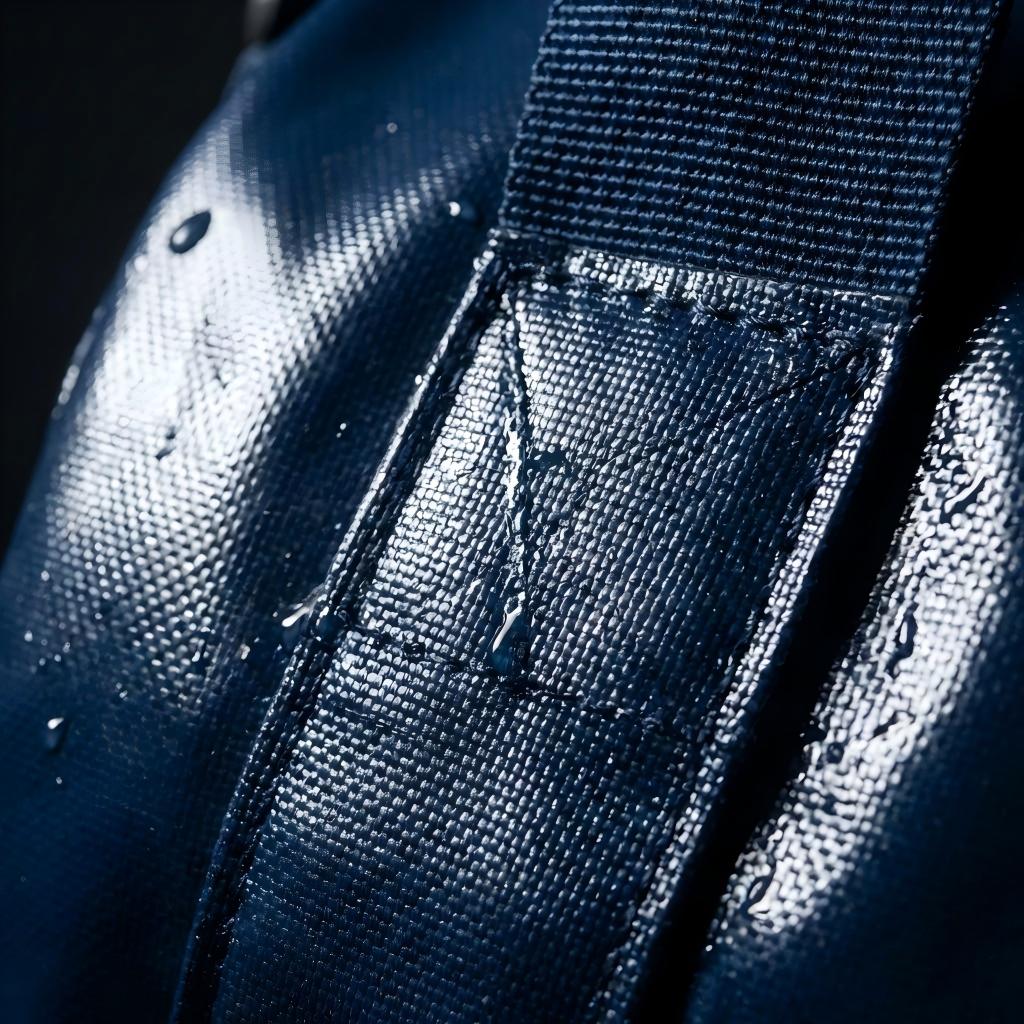
Heavy-Duty 500D PVC

High-Frequency Welded Seams
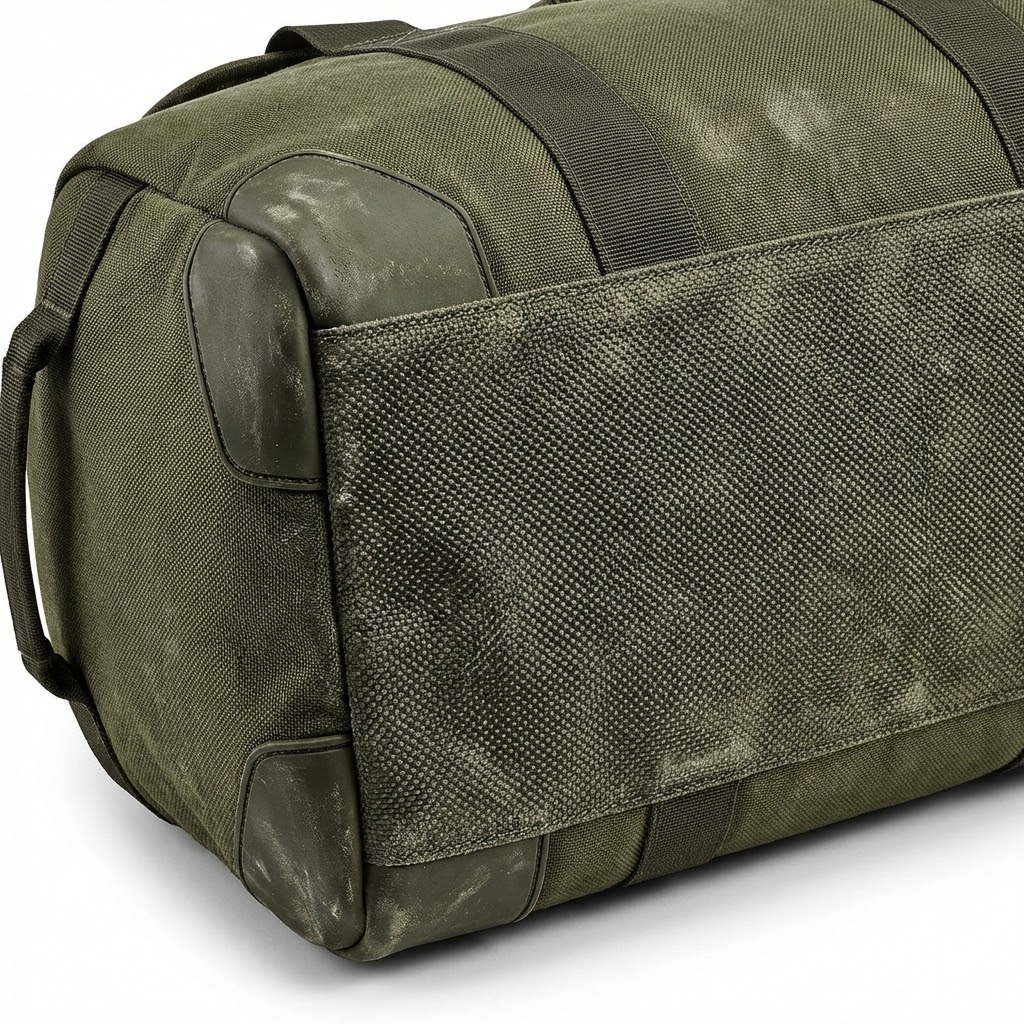
Abrasion-Resistant Reinforced Base
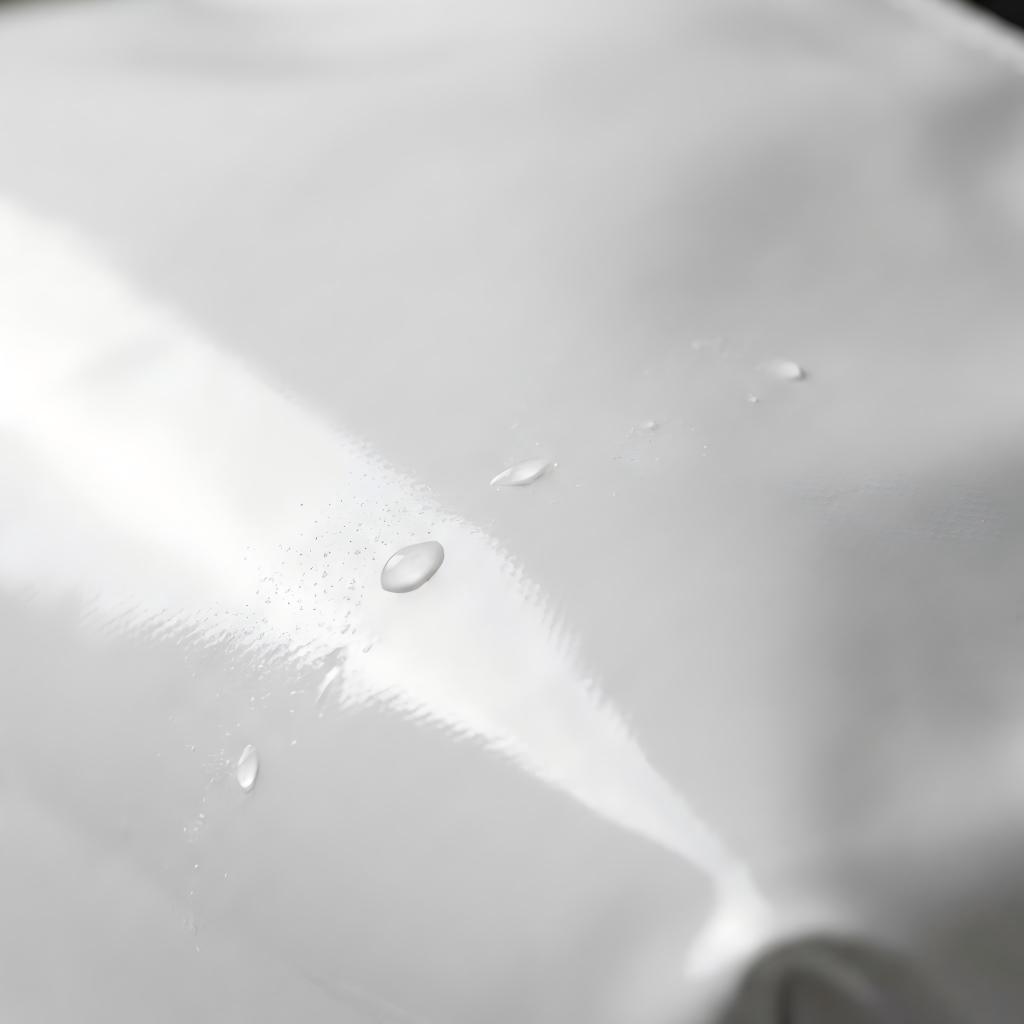
Easy-Clean Wipeable Surface
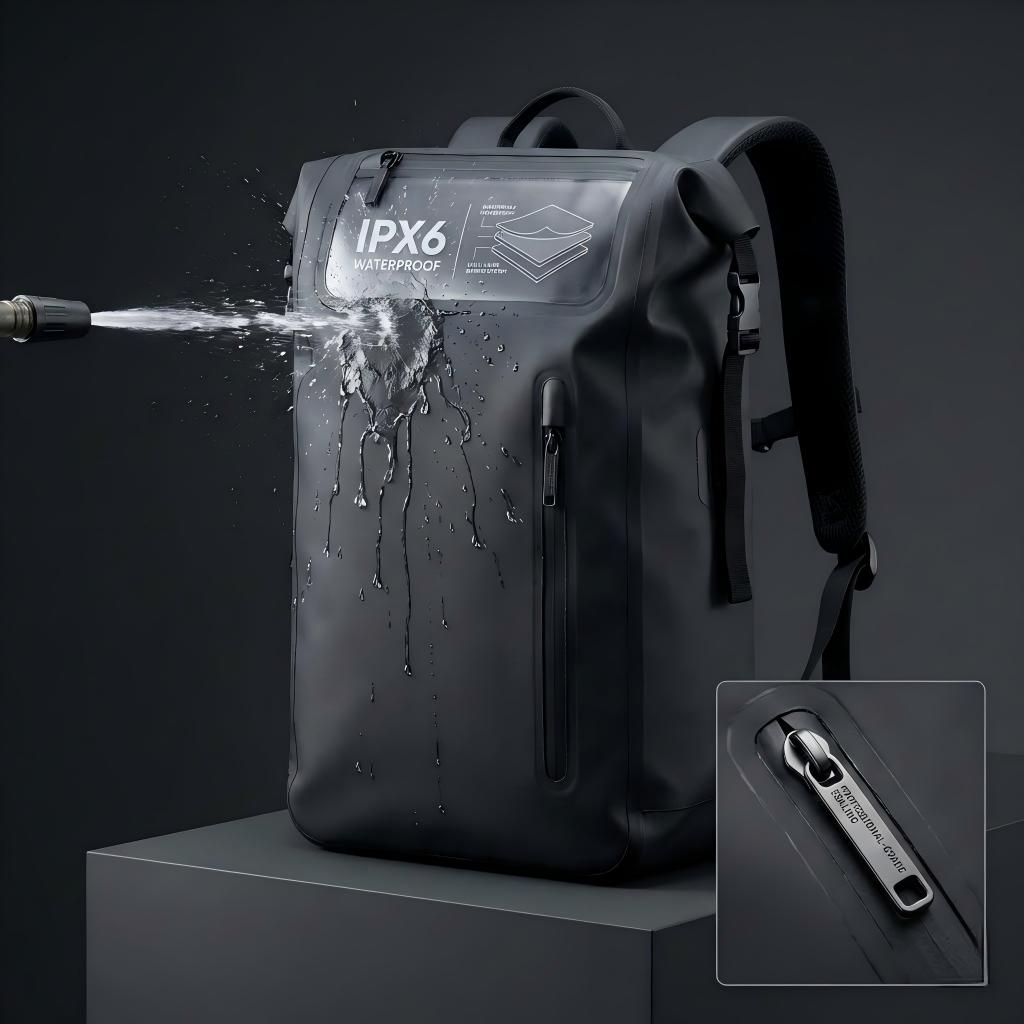
IPX6 Rated Protection

Airtight Roll-Top Closure
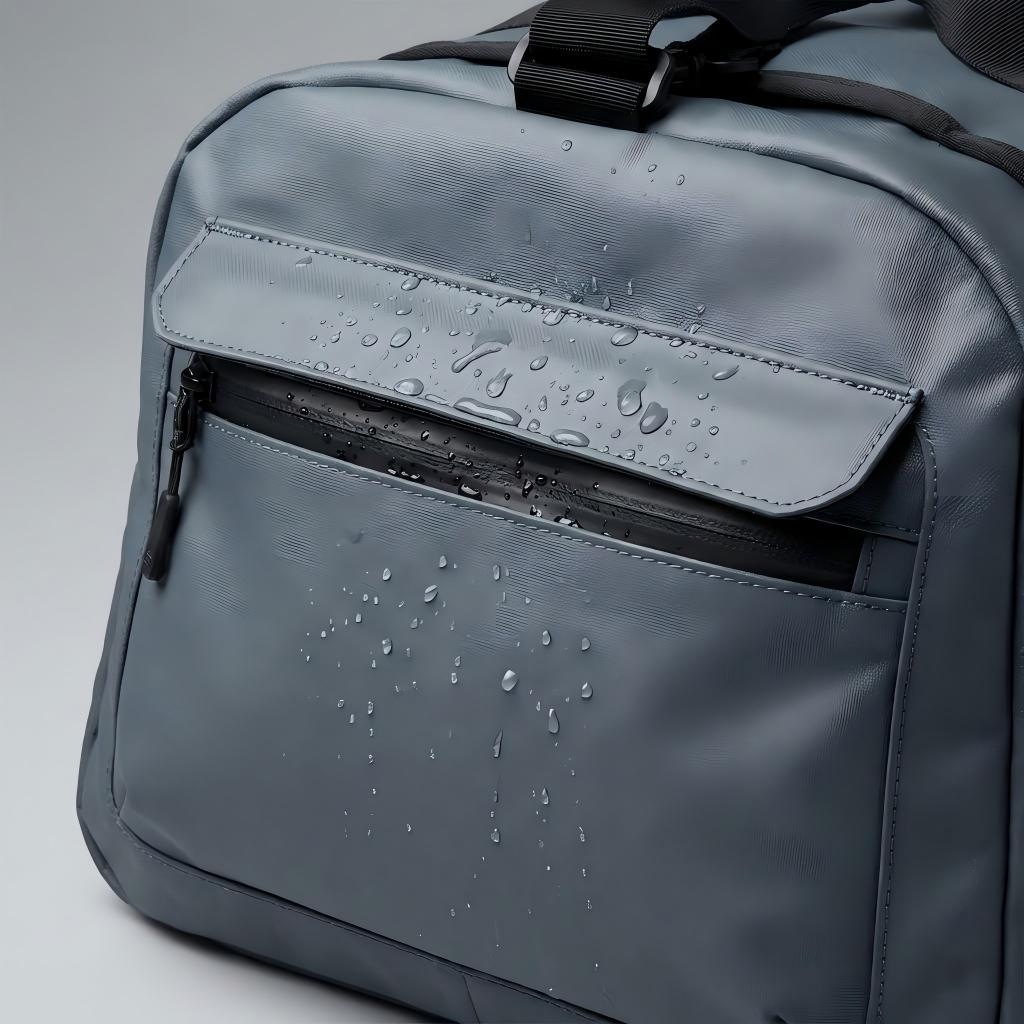
Splash-Proof Front Pocket
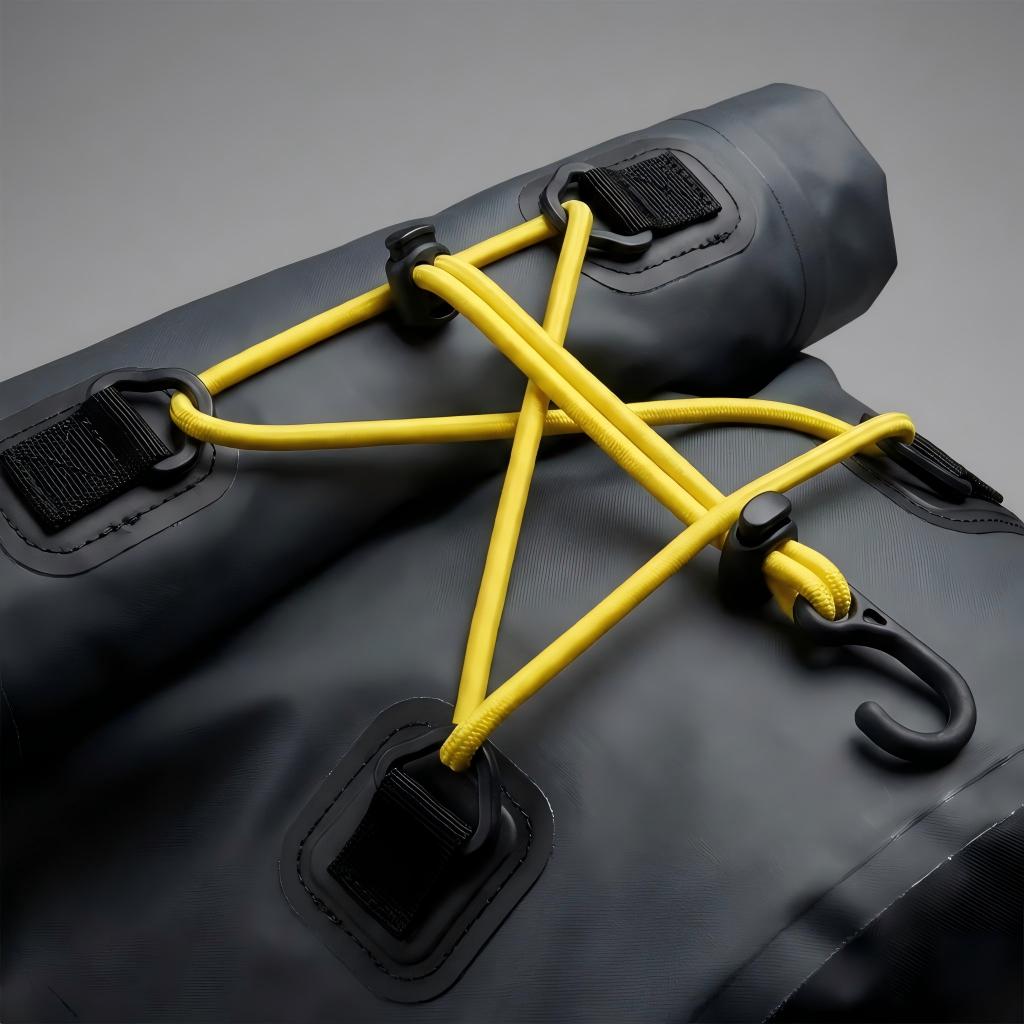
External Bungee Cord Storage
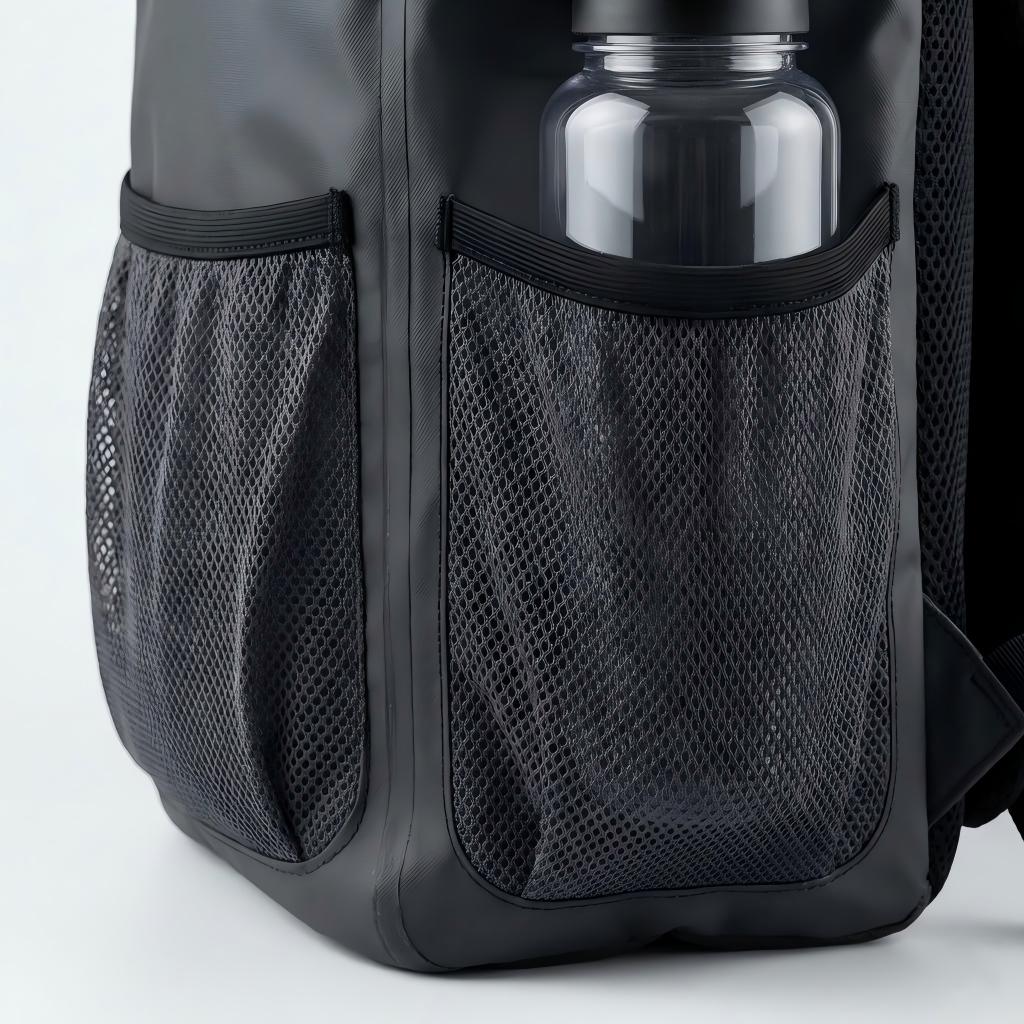
Side Mesh Bottle Holders

Internal Organization Pockets

Ergonomic Breathable Mesh Back

Cushioned Adjustable Shoulder Straps
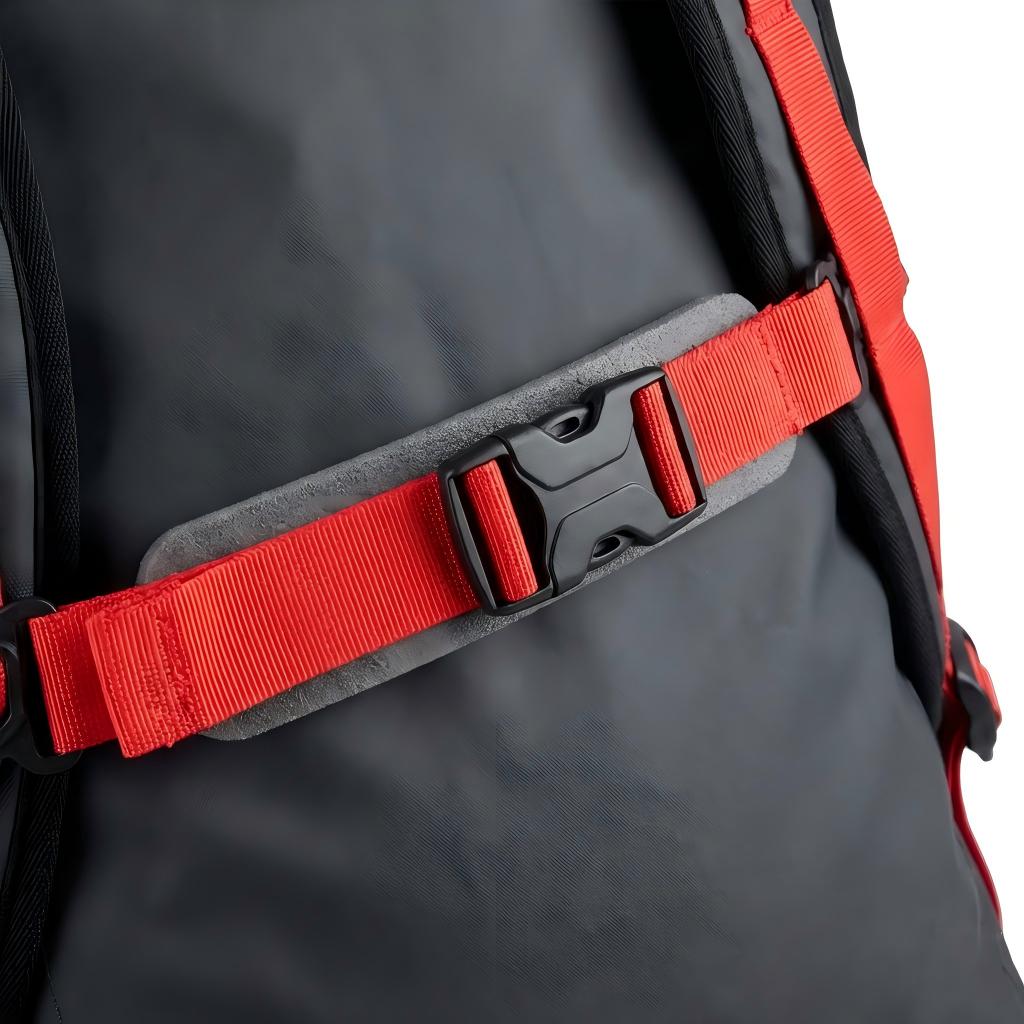
Stabilizing Sternum Strap

Removable Waist Belt
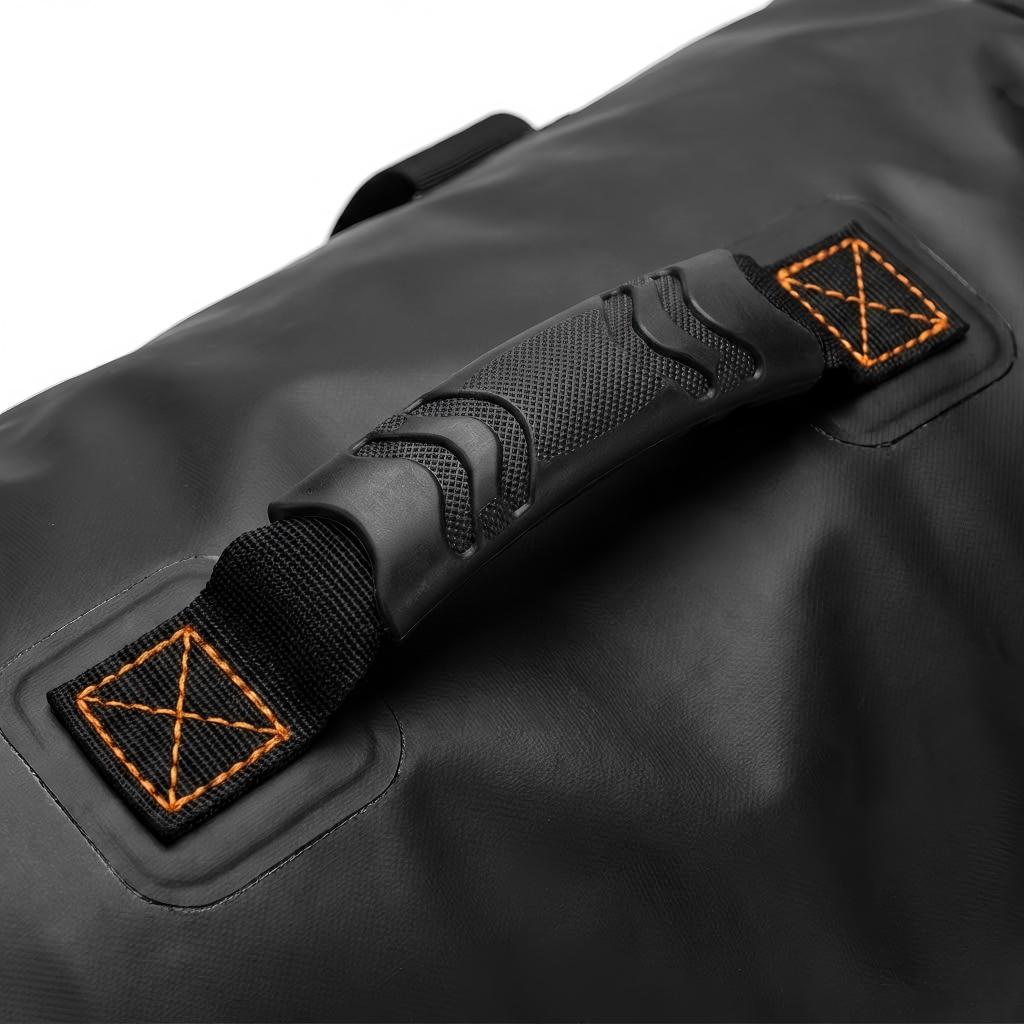
Top Grab Handle
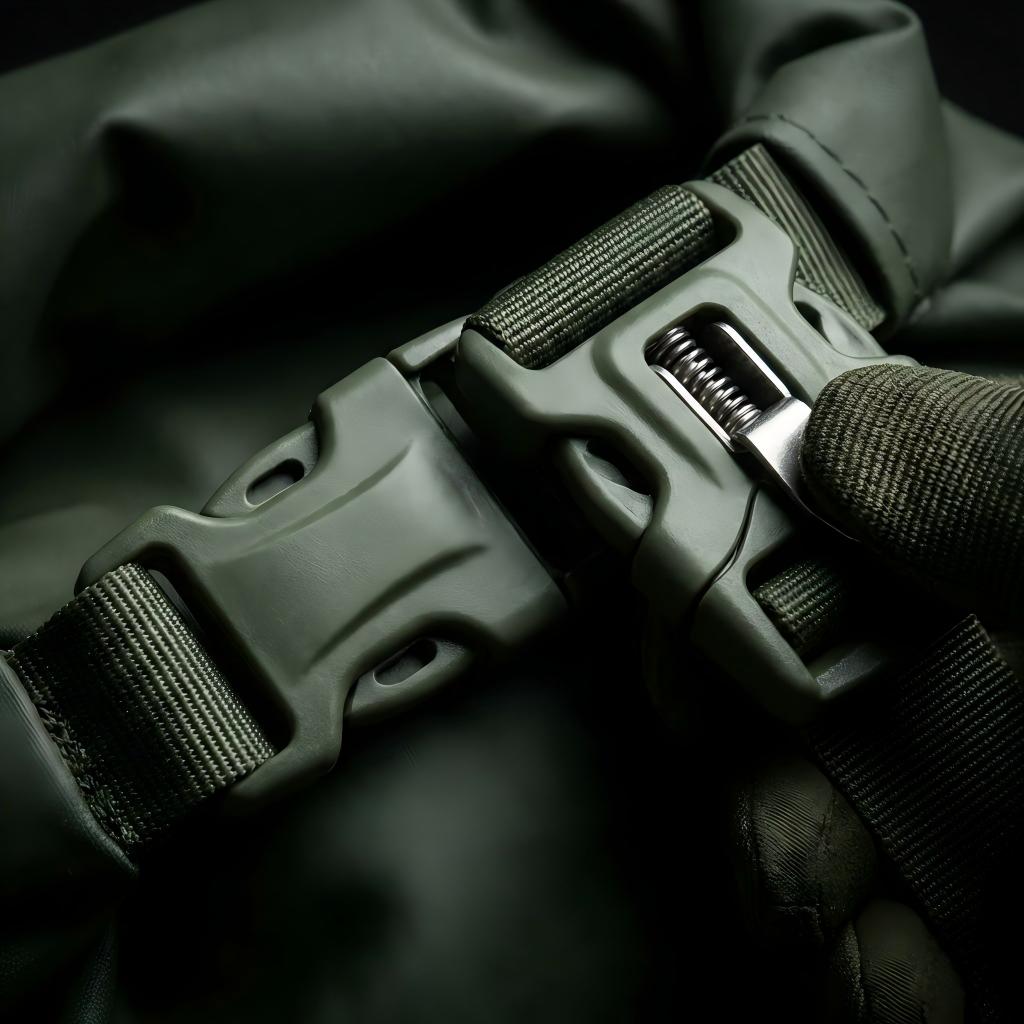
Durable Quick-Release Buckles

Reflective Safety Accents

Multi-Use D-Ring Attachments

Integrated Emergency Whistle

Rust-Proof Composite Hardware
Custom Waterproof Bag Printing Styles: A Complete Guide
As a premier waterproof bag factory, we understand that branding on PVC and TPU materials requires specialized techniques. Whether you are sourcing a heavy-duty waterproof duffel bag or a promotional waterproof beach bag, the wrong printing method can peel off after just one day in the sun or saltwater. This guide helps you choose the most durable and cost-effective branding for your custom waterproof bag wholesale orders.

Silk Screen Printing
- Ideal For: Waterproof dry bags, simple 1-2 color logos, and high-volume orders.
- The Process: We use a specialized solvent ink that chemically bonds with the PVC/TPU surface, creating a “tattoo” effect.
- Cost & MOQ Logic: Low Cost. Setup fees apply per color, but it is the cheapest option for orders over 500 pcs.
- Buyer’s Pro-Tip: Standard ink will scratch off. Ensure your factory uses anti-scratch solvent ink, especially if the bag is a waterproof bag for kayaking, where it will scrape against rocks and sand.

UV Digital Printing
- Ideal For: Complex graphics, gradients, and photos on a waterproof tote bag.
- The Process: A digital printer sprays ink that is instantly cured by UV light, allowing for full-color, photo-realistic designs.
- Cost & MOQ Logic: Medium Cost. No mold fee makes it great for small batches (100-300 pcs), but unit price is higher than screen printing.
- Buyer’s Pro-Tip: UV ink cures hard. Avoid placing large UV prints on the roll-top closure. The constant folding will cause the stiff ink to crack over time.

High-Frequency Embossing
- Ideal For: Stealth branding on a premium waterproof duffel bag or technical gear.
- The Process: We use the same HF welding machine that seals the bag’s seams to press your logo deep into the material.
- Cost & MOQ Logic: Medium Cost. Requires a metal mold fee ($50-$100), but adds zero cost to the unit price since no ink is used.
- Buyer’s Pro-Tip: This is the most durable method in existence. Since there is no ink, it can never fade, peel, or scratch, making it perfect for rugged outdoor environments.

Reflective Ink Printing
- Ideal For: Safety gear, cycling bags, and night-use waterproof dry bags.
- The Process: Similar to screen printing, but uses ink containing glass beads that reflect light in the dark.
- Cost & MOQ Logic: High Cost. Reflective ink is significantly more expensive than standard pigment.
- Buyer’s Pro-Tip: Don’t expect “white” ink. Reflective ink looks silver/grey in daylight. It only shines bright white when hit by car headlights at night.

Welded Rubber Patch
- Ideal For: Adding a high-value, 3D look to a waterproof backpack.
- The Process: A rubber (PVC) logo patch is fused to the bag surface using High-Frequency welding, not sewn.
- Cost & MOQ Logic: High Setup. Expensive mold fee, but excellent for establishing a premium brand image.
- Buyer’s Pro-Tip: Never use standard embroidery. Needle holes destroy the waterproof rating. A welded patch gives you the 3D texture of a patch without compromising the water-tight seal.

Low-Temp Heat Transfer
- Ideal For: Multi-color logos on small areas.
- The Process: A pre-printed vinyl design is heat-pressed onto the bag.
- Cost & MOQ Logic: Medium Cost. Good for short runs.
- Buyer’s Pro-Tip: Caution is required. PVC melts at high temperatures. We only use “Low-Temp” transfers to ensure your waterproof beach bag doesn’t warp or deform during production.
| Method | Durability (Saltwater/Sun) | Cost (500+ pcs) | Color Limit |
|---|---|---|---|
| Silk Screen | High (with solvent ink) | $ (Lowest) | Yes (1-3 colors) |
| UV Digital | Medium | $$ (Medium) | None (Photos ok) |
| HF Emboss | Extreme (Permanent) | $$ (Medium) | No Color (Texture only) |
| Welded Patch | Very High | $$$ (High Setup) | Yes (Mold colors) |
Saltwater is corrosive. For a waterproof bag for kayaking, we highly recommend High-Frequency Embossing (which cannot peel) or Solvent-Based Silk Screen. Avoid standard Heat Transfers, as saltwater can weaken the glue over time.
Yes. We use Silk Screen Printing for the borders of a waterproof phone bag. However, we recommend keeping the center clear to ensure the phone's touchscreen and camera remain 100% usable and visible.
If you are building a retail brand targeting the "Best Waterproof Bag" keyword, we suggest a combination: Use HF Embossing for the main logo (durability/quality signal) and Reflective Printing for small safety accents. This combination is perceived as high-value by consumers.
Why Global Brands Trust Loomibag as Their Waterproof Bag Factory
For over 10 years, Loomibag has been at the forefront of high-frequency welding technology, manufacturing premium watertight gear for top outdoor and marine brands. We specialize in engineering 100% submersible and weather-resistant solutions, ensuring every waterproof bag we produce protects critical gear in the harshest environments on Earth.
Our waterproof bag factory is equipped with over 50 advanced High-Frequency (HF) and Radio Frequency (RF) welding stations, distinct from traditional sewing lines. This specialized automation allows us to rapidly bond thermoplastic materials like PVC and TPU, ensuring we can meet massive production quotas for a waterproof dry bag or floating backpack in time for your peak summer season.
For a heavy-duty waterproof duffel bag, a visual inspection is never enough. We implement a mandatory 24-hour air-inflation test for finished goods to detect microscopic pinhole leaks that the eye cannot see. Additionally, we conduct hydrostatic pressure testing to verify specific IPX ratings (from IPX4 splash-proof to IPX7 submersible), ensuring zero functional defects in your final shipment.
Designing for RF welding requires precise engineering to ensure seam junctions do not become weak points. Our R&D team excels at "mold logic," helping you design custom tooling that turns complex 3D shapes into manufacturable flat patterns. We guide you in selecting the right material density to create a waterproof travel bag that balances rugged durability with lightweight flexibility.
We understand the scrutiny surrounding plastic-based materials. We ensure all our PVC and TPU fabrics are Phthalate-free and fully compliant with REACH and Prop 65 standards. For eco-conscious brands, we offer biodegradable TPU options and Recycled PVB, allowing you to market a sustainable waterproof tote bag that meets strict international import regulations.
Located in a premier technical textile hub, we have direct access to specialized suppliers of airtight zippers (like TiZip alternatives) and heavy-duty roll-top buckles. This proximity allows us to source premium coated fabrics at factory-direct prices, significantly lowering your unit cost for bulk waterproof bags compared to competitors who rely on expensive imported components.
Manufacturing welded gear involves unique constraints compared to sewn goods. Our project managers are technically trained to guide you through these nuances, providing 24/7 support on critical details like logo application—advising on reflective printing versus welded patches—to ensure your branding remains durable and visible in extreme conditions.
Trusted by the World's Best waterproof bag Brands
We apply the same rigorous manufacturing standards to your waterproof bag as we do for our established partners.


Certyfikat
We apply the same rigorous manufacturing standards to your waterproof bag as we do for our established partners.
- Rok założenia: 2011
- Area:7500㎡,Workers:315
- Main products:All kinds of outdoor bag, funtional bag,,
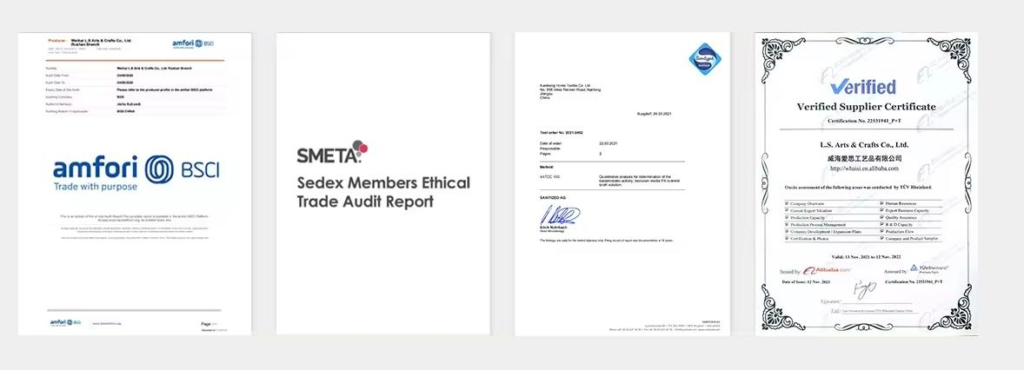
- Certyfikaty: BSCI, Sedex, SCS, C-TPAT
The 9-Step Quality Process for Waterproof Bag
At our waterproof bag factory, we ensure every dry sack and gear bag meets the highest standards of protection against the elements. We apply strict quality control at every single stage of production, not just at the final inspection, to guarantee total water resistance.

We start by discussing your target market and specific needs. Our team helps define the protection level (IP rating) and intended use of the torba wodoodporna, whether it is designed for kayaking, hiking, or industrial use.

Before mass production begins, our sample room creates a physical prototype. This allows you to verify the roll-top closure system, buckle quality, and overall dimensions of the design to ensure it matches your vision.

We source high-performance raw materials designed to repel water. We carefully inspect the PVC tarpaulin, TPU fabric, and watertight zippers to ensure the materials for your waterproof bag are free from pinholes or defects.

Precision is vital for a tight seal. We use precise die-cutting or laser technology to cut the fabric panels, ensuring the main body of the product is cut to the exact dimensions required for seamless assembly.

Our skilled technicians assemble the product on the production line. We utilize advanced RF (Radio Frequency) welding technology instead of traditional stitching to fuse the seams, creating a waterproof bag that is completely airtight and leak-proof.

We perform strict testing to prevent any leaks. Our QC team conducts a 100% inflation air-leakage test or water submersion test to guarantee the waterproof bag is fully sealed and ready for rugged environments.

Once approved, the items are cleaned and folded flat to save shipping space. We pack every item into protective polybags and sturdy cartons to ensure they arrive at your facility in perfect condition.

Your finished order is stored in our dry, secure warehouse. We arrange the logistics and manage the shipping documents to ensure your shipment is delivered on schedule.

Our service continues after the shipping. We maintain contact to ensure you are happy with the quality and to gather feedback on the waterproof bag performance for your future production runs.

In-Stock Wholesale Bags: Direct from a Waterproof Bag Factory
Secure your inventory with confidence from our waterproof bag factory. Skip the production lead time without sacrificing quality.
Technical FAQ: Manufacturing Standards & Quality Assurance
For professional buyers, “waterproof” is not just a marketing claim—it is a critical performance requirement. We understand your concerns regarding seam failure, material hydrolysis, and zipper integrity. Below, we address the technical specifications of our waterproof bag factory’s manufacturing proces, detailing how we utilize RF welding technology and rigorous IPX testing to ensure our gear withstands industrial and extreme outdoor environments.
● 01. Heavy-Duty Construction & Load Bearing
Jak przymocować wytrzymałe uchwyty do wodoodpornej torby podróżnej, nie pozostawiając przy tym otworów po igle, które mogłyby spowodować przecieki?
Eliminujemy otwory po igłach, unikając bezpośredniego szycia na membranie wodoodpornej. Zamiast tego stosujemy naszywki z pierścieniami typu D zgrzewane metodą RF (częstotliwością radiową). Uchwyty z taśmy są przyszywane do oddzielnej naszywki z PVC/TPU, która następnie jest zgrzewana z głównym korpusem wodoodpornej torby podróżnej za pomocą fal elektromagnetycznych o wysokiej częstotliwości. Dzięki temu główna komora pozostaje w 100% szczelna, a torba wytrzymuje test obciążenia statycznego o masie 50 kg.
Czy dno torby jest dodatkowo wzmocnione, aby zapobiec przetarciu podczas transportu?
Tak. Dno jest miejscem najbardziej narażonym na zużycie. Wzmacniamy dolny panel podwójną warstwą plandeki PVC 1000D lub dodajemy formowaną termicznie podstawę z EVA. Sprawdzamy tę wytrzymałość za pomocą testu ścierania Tabera, upewniając się, że materiał dna wytrzyma ponad 2000 cykli tarcia bez przetarcia aż do wewnętrznego rdzenia z siatki.
● 02. Advanced Sealing & Zipper Technology
Czy ta wodoodporna torba z zamkiem błyskawicznym nadaje się do całkowitego zanurzenia, czy jest jedynie odporna na rozpryski wody?
Zależy to od wybranej klasy zamka błyskawicznego. Standardowe zamki wodoodporne mają klasę ochrony IPX4. Jednak dla klientów, którzy potrzebują w pełni wodoodpornej torby z zamkiem błyskawicznym, nadającej się do całkowitego zanurzenia, montujemy hermetyczne zamki TiZip MasterSeal lub TRU Zip. Zostały one poddane testom ciśnieniowym, które potwierdzają ich szczelność i odporność na wnikanie wody nawet na głębokości 1 metra (klasa IPX7), co zostało zweryfikowane w ramach naszego wewnętrznego testu szczelności przy nadmuchiwaniu powietrzem.
Jak zapobiegać zacinaniu się lub pękaniu zamka błyskawicznego po kontakcie ze słoną wodą?
Krystalizacja soli to częsty problem. Stosujemy zamki błyskawiczne z samoczyszczącymi się ząbkami i do każdego egzemplarza dołączamy tubkę smaru silikonowego. Ponadto przeprowadzamy test cyklicznego otwierania i zamykania zamka, polegający na 500-krotnym otwarciu i zamknięciu mechanizmu w środowisku z aerozolem soli fizjologicznej, aby zapewnić płynność działania oraz zapobiec korozji i rozdzielaniu się ząbków.
● 03. Environmental Resistance & Material Stability
Czy materiał, z którego wykonana jest wodoodporna torba do kajakarstwa, pęknie lub stanie się kruchy w wodzie o temperaturze poniżej zera?
Sprzęt kajakowy często narażony jest na ekstremalne wahania temperatury. Nasze wodoodporne torby do kajakarstwa produkujemy z wykorzystaniem specjalnej mieszanki PVC wzbogaconej o dodatki przeciwzamarzające. Dzięki temu materiał zachowuje elastyczność nawet w temperaturach sięgających -20°C. Przeprowadzamy test zginania na zimno (ISO 4675), polegający na zgięciu zamrożonego materiału o 180 stopni, aby upewnić się, że w warunkach zimowych nie pęka, nie tworzy się na nim siatka pęknięć ani nie dochodzi do rozwarstwienia.
W jakim stopniu tkanina jest odporna na degradację pod wpływem promieniowania UV spowodowaną długotrwałym nasłonecznieniem na wodzie?
Promieniowanie UV może powodować rozwarstwianie się szwów (odklejanie się). Dodajemy do naszych surowców stabilizatory UV, aby uzyskać 4–5 stopień trwałości barwy. Próbki materiałów poddajemy 48-godzinnemu testowi starzenia pod wpływem promieniowania UV, aby potwierdzić, że szwy zgrzewane radiowo zachowują 100% swojej wytrzymałości na odrywanie nawet po intensywnej ekspozycji na słońce.
● 04. Air Retention & Roll-Top Mechanics
W jaki sposób gwarantujecie, że wasza wodoodporna torba rzeczywiście będzie unosić się na wodzie po wrzuceniu do niej?
Wyporność zależy od zatrzymywania powietrza. W tanich workach punktem słabym jest często słaba listwa usztywniająca. Nasz wodoodporny worek suchy posiada wzmocnioną wkładkę usztywniającą z polietylenu o wysokiej gęstości (PE) w obszarze otworu. W przeciwieństwie do tektury lub niskiej jakości tworzywa sztucznego, które ulegają wypaczeniu, nasza wkładka z PE zapewnia sztywne, pozbawione fałd uszczelnienie po trzykrotnym zwinięciu, skutecznie zatrzymując powietrze i gwarantując dodatnią wyporność.
Czy przed zapakowaniem sprawdzacie, czy z worków nie wycieka powoli powietrze?
W przypadku produktów hermetycznych kontrola wzrokowa nie jest wystarczająca. W odniesieniu do naszych partii produkcyjnych przeprowadzamy 24-godzinny test szczelności. Worki są napełniane do określonego ciśnienia w PSI i pozostawiane na noc. Każdy worek, w którym nastąpiła znaczna utrata ciśnienia, jest odrzucany, co gwarantuje, że produkt, który otrzymuje klient, jest wolny od mikroskopijnych otworów lub wad zgrzewu.
Reliable Quality, Affordable Price, Fast Delivery and Full Customization. The direct manufacturer in China.
Find common knowledge and trends directly from a waterproof bag factory perspective.
Sourcing implies trust. We’ve helped businesses in over 30 countries succeed. Now, we invite you to become an Exclusive Distributor and enjoy VIP privileges
 English
  Turkish
  German
  Dutch
Dutch  French
  Danish
  Finnish
  Swedish
  Italian
  Polish
  Portuguese
  Spanish